
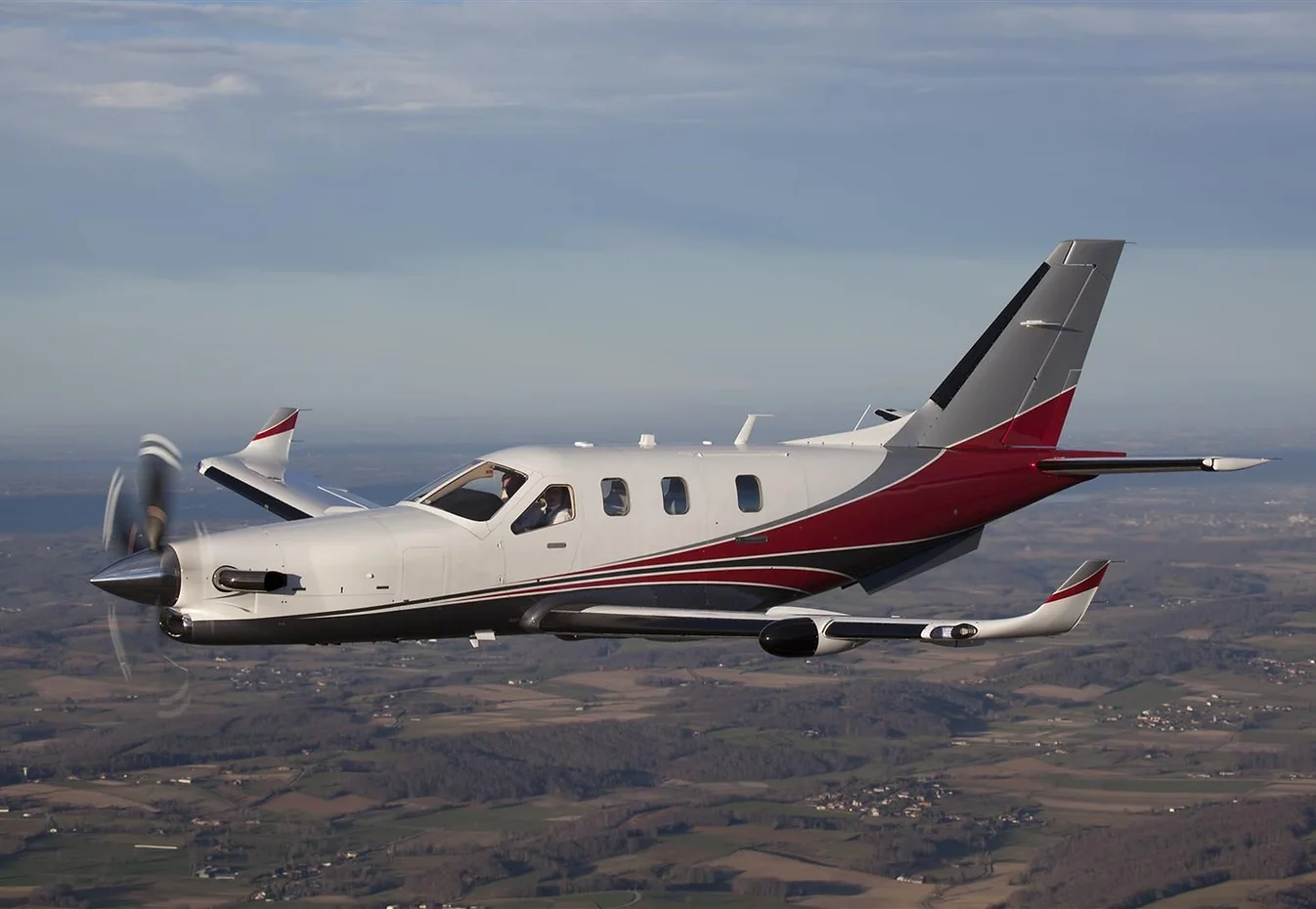
Learning to fly is exciting, but safety always comes first. At Summit Flight Academy in Kansas City, we make sure that every lesson helps students build safe flying habits right from the beginning.
So what are aviation safety standards, and how does Summit make them part of your training every day? Let’s take a closer look.
What Are Aviation Safety Standards?
Aviation safety standards are rules made by the Federal Aviation Administration. These rules help protect pilots, passengers, and aircraft. They cover areas such as:
- Preflight planning
- Weather checks
- Aircraft inspections
- Emergency procedures
Every flight school must follow these standards. At Summit Flight Academy, our instructors go further by making safety a part of every flight and every decision you make as a student pilot.
How Safety Is Built into Flight Training at Summit
We want our students to be confident, capable, and safe pilots. That is why we do more than teach flying skills. We help you understand how to manage risks and make smart decisions.
A Team of Professional Instructors
At Summit, you will train with instructors who are experienced and focused on helping you learn safely. Our team works one-on-one with students to explain not just what to do, but why it matters. That kind of personal attention helps build strong habits from the start.
Well-Maintained Aircraft You Can Trust
We take great care of our aircraft. Every plane in our training fleet is regularly inspected and maintained to high standards. If a plane is not ready to fly, it stays on the ground until it is.
Real-Life Training Scenarios
You will learn how to handle situations pilots may face in the real world. These include:
- Responding to changes in weather
- Knowing what to do if a system fails
- Managing workload during busy flights
Our instructors teach tools like the PAVE checklist. This helps you look at all parts of a flight before deciding to go. It stands for Pilot, Aircraft, EnVironment, and External pressures.
Creating Your Own Personal Safety Limits
As you build experience, your instructors will help you set personal minimums. These are your own guidelines based on what you are comfortable with. For example:
- The lowest weather conditions you are ready to fly in
- How much rest you need before flying
- Whether you feel prepared for a certain route or airport
These limits help you avoid risky situations and fly with confidence.
How It Connects to Earning Your Pilot Certificate
The FAA’s Airman Certification Standards outline what you must know and do to become a licensed pilot. These include:
- Understanding safety and flight planning
- Managing risk in the air and on the ground
- Performing key flight maneuvers
At Summit Flight Academy, our lessons follow these standards. That means every training flight prepares you not just for the check ride, but for safe flying beyond it.
Why It Matters
Flying is more than learning how to operate an aircraft. It is about making good choices, staying alert, and being prepared. At Summit Flight Academy, safety is not a separate topic. It is part of every flight, every lesson, and every goal.
We help you learn the skills and mindset needed to fly safely for years to come.
Get Started Today
Visit www.summitflightacademy.com to learn more about our flight training programs, meet our instructors, and schedule your first lesson. Whether you are starting from scratch or returning to the cockpit, Summit Flight Academy is here to help you build safe and smart flying habits from day one.