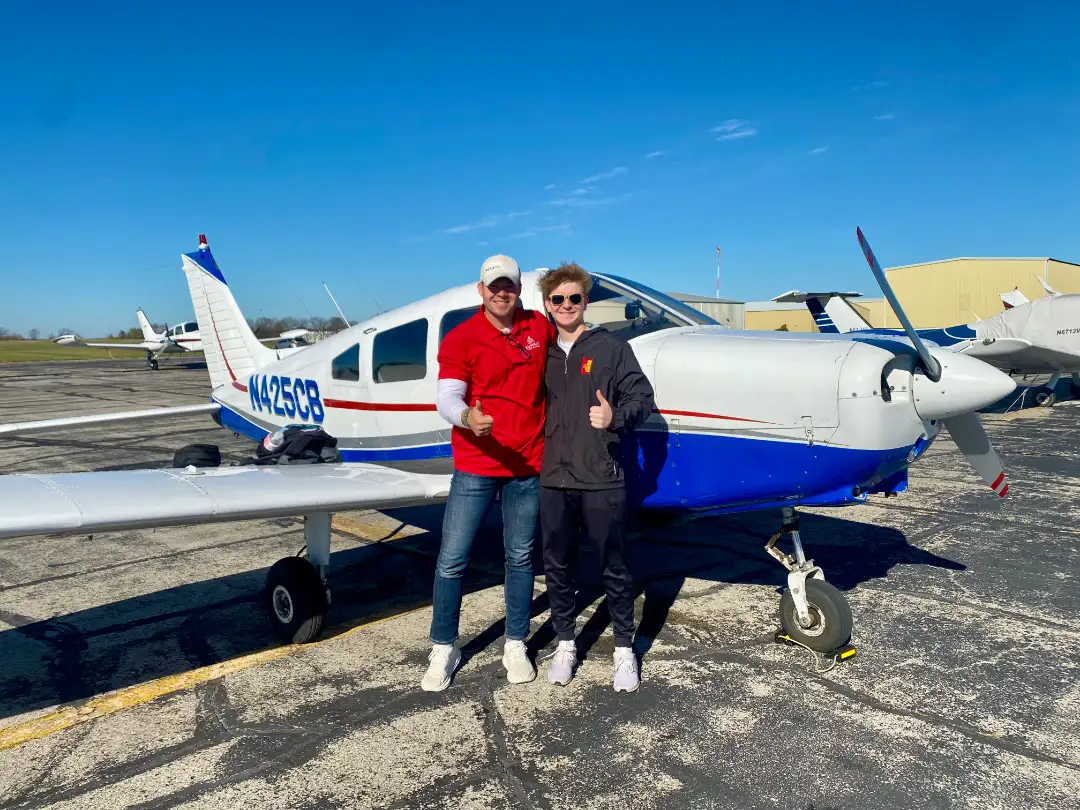
Know what Part 61 asks of you
A multi-engine rating is an added aircraft class rating. You need instructor signoff, practical-test readiness, and clear command of multiengine operations before the checkride.
Read the Part 61 requirements guideYour multi-engine rating is a focused add-on, so every training day should move you closer to practical-test readiness. Summit combines ground instruction, simulator work, and Piper PA-30 Twin Comanche flight time so you can understand systems, engine-out procedures, Vmc awareness, and checkride expectations before the workload gets high.
Multi-Engine Training Near Kansas City
If you already fly single-engine airplanes, your next career move needs structure. Summit's multi-engine path helps you understand the Part 61 add-on requirements, prepare for the checkride, and train in a focused 7-day program built around the Piper PA-30 Twin Comanche.
A multi-engine rating is an added aircraft class rating. You need instructor signoff, practical-test readiness, and clear command of multiengine operations before the checkride.
Read the Part 61 requirements guideThe current Summit package starts at $4,950 and includes up to 8.5 hours in the Twin Comanche, simulator time, instructor services, checkride prep, and non-owned insurance.
Compare the multi-engine cost factorsFor career-track students, multi-engine training is not just another line on a certificate. It helps prepare you for later commercial, instructor, MEI, and professional airplane goals.
See the career-track pathHow to start training with Summit Flight Academy
Before beginning your multi-engine training at Summit Flight Academy, ensure you meet all eligibility requirements. These include having a valid pilot certificate, an up-to-date medical certification, and basic proficiency in single-engine flight maneuvers. You will also need to provide necessary documentation such as a logbook, and a valid ID, and complete pre-training preparations like familiarization with the Piper Twin Comanche (PA-30) and its systems.
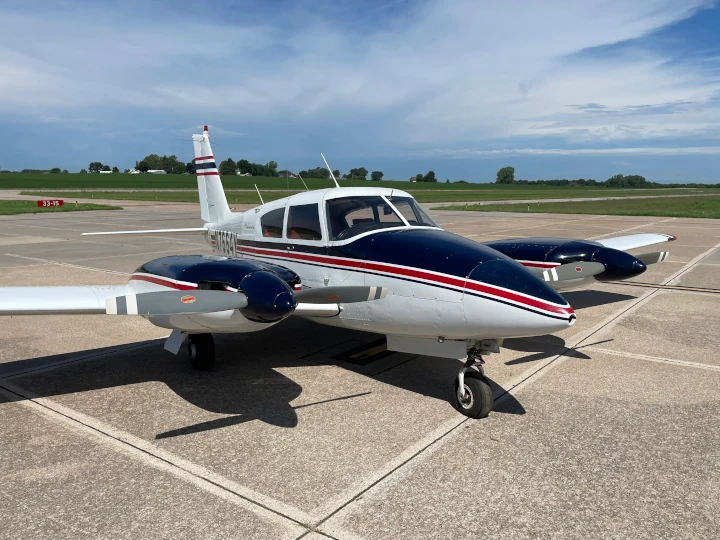
Your journey starts with ground lessons covering multi-engine aerodynamics, systems, and emergency procedures, along with simulator sessions to practice these concepts in a controlled environment. This phase is crucial for building a solid theoretical and practical foundation before actual flight training.

Flight training consists of several sessions where you will operate a multi-engine aircraft under the supervision of experienced instructors. You will practice maneuvers, emergency procedures, and engine management across approximately 8.5 hours of flight time. This hands-on experience is designed to refine your skills and prepare you for the checkride.
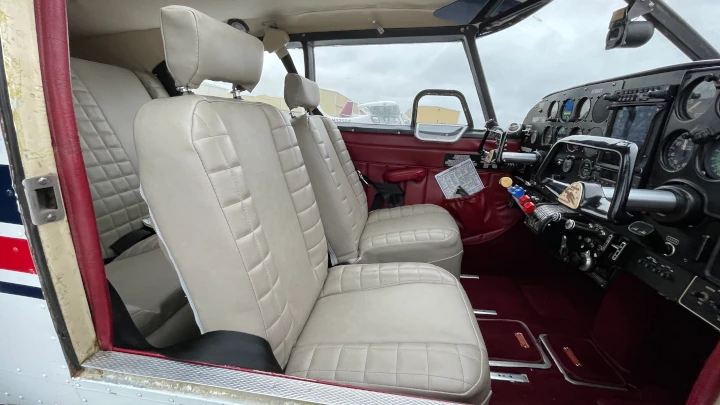
The final step involves passing a series of evaluations, including an oral exam and a practical flight test. These assessments are aimed at confirming your knowledge and ability to safely operate multi-engine aircraft. Upon successful completion, you will receive your Multi-Engine Rating, allowing you to pilot multi-engine aircraft confidently.
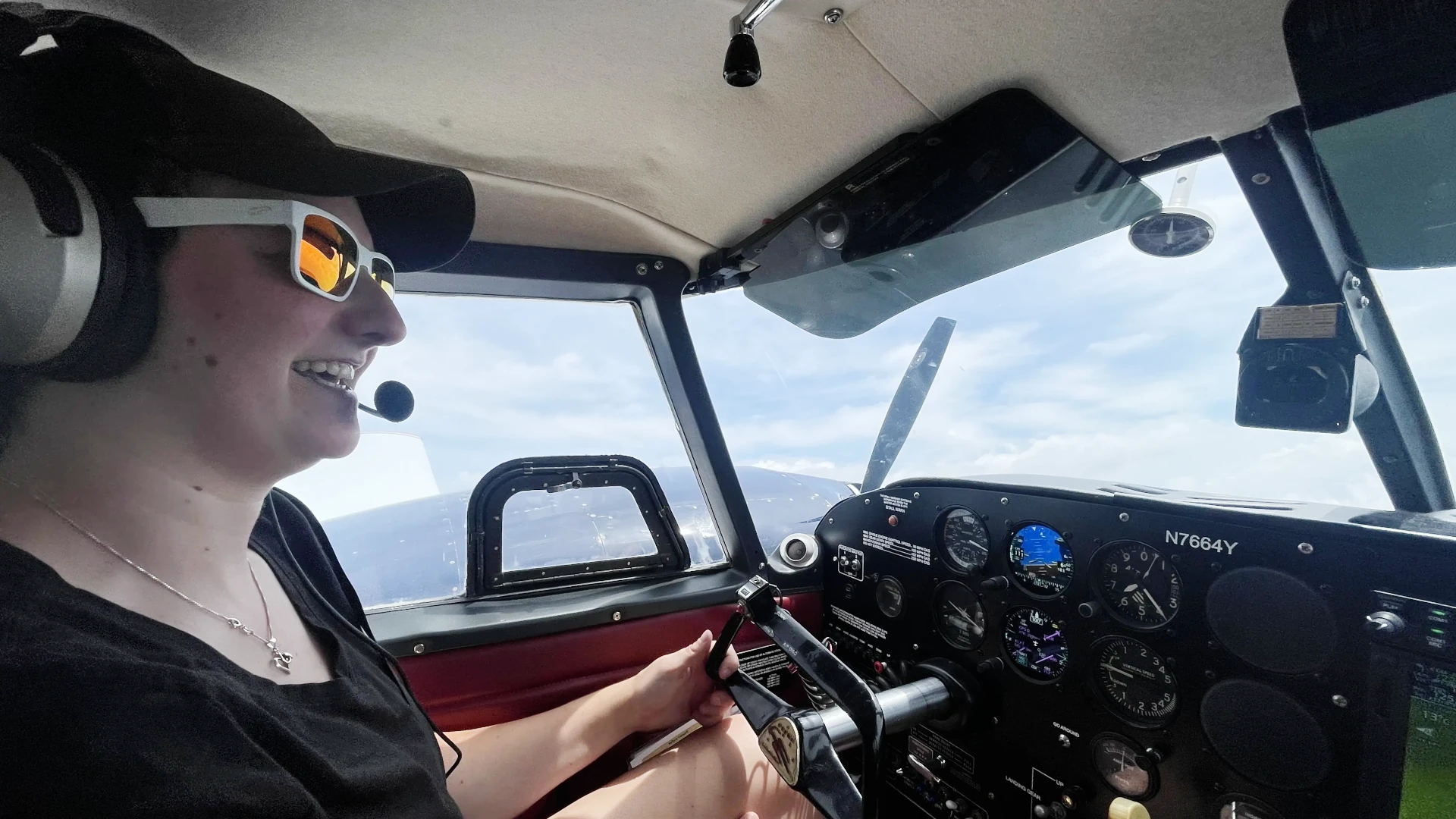
Multi-Engine Training Package
A Multi-Engine Rating demonstrates your commitment to advancing in your flight training by learning complex maneuvers and how to fly more unique aircraft. Many students combine their required flight hours for a Multi-Engine Rating with the process of becoming a Multi-Engine Instructor (MEI)!
Starting at $4,950
Our Multi-Engine Rating program includes:
Multi-Engine
What are the prerequisites for multi-engine training?
You should hold a Private Pilot Certificate with an Airplane Single-Engine Land rating, have a current FAA medical certificate, and bring proof of citizenship or TSA approval if that applies to your situation. You should also arrive current and comfortable with single-engine procedures so your training time can focus on multiengine operations.
How long does the multi-engine rating take to complete?
Our intensive program is designed to be completed in 7 days, but actual completion time may vary based on weather, aircraft availability, and student progress.
What is included in Summit's multi-engine package?
Summit's current multi-engine package starts at $4,950 and includes up to 8.5 hours of flight time in the Piper Twin Comanche, simulator time, instructor services with checkride prep, non-owned insurance, and optional continuation toward MEI training. Confirm current package details before you reserve a training window.
What is VMC and why is it important?
VMC is minimum control speed with critical engine inoperative. It's the minimum speed at which directional control can be maintained with one engine failed. Understanding and respecting VMC is critical for multi-engine safety.
Do I need an instrument rating for multi-engine training?
An instrument rating is recommended but not required for Summit's multi-engine program. Many career-track pilots benefit from earning instrument skills first because multiengine training adds aircraft systems, asymmetric thrust, and faster decision-making to the workload.
What does Part 61 require for a multi-engine add-on rating?
For an additional aircraft class rating, 14 CFR 61.63 requires an instructor endorsement showing you are competent and proficient in the required knowledge and areas of operation, then you must pass the practical test. Read our Part 61 multi-engine requirements guide before you plan your training window.
Is there a written test for a multi-engine add-on rating?
Many pilots adding a class rating at the same certificate level do not need an additional FAA knowledge test when the conditions in 14 CFR 61.63 apply. You still need the right training, instructor endorsement, and practical-test readiness. Summit will help you confirm what applies to your certificate path before scheduling.
Can this rating help if I am on a career-track path?
Yes. A multi-engine rating can support later commercial, instructor, MEI, charter, corporate, and airline-track goals because many professional airplane paths involve multiengine privileges. It does not guarantee hiring or create R-ATP eligibility by itself. For the bigger training sequence, review the Career Track path.
How should I prepare before day one?
Arrive with your logbook, pilot certificate, medical certificate, government ID, headset, study materials, and any required citizenship or TSA documentation. Review aircraft systems, Vmc concepts, performance charts, and checklist flows before training starts so your first day is not spent catching up on basics.