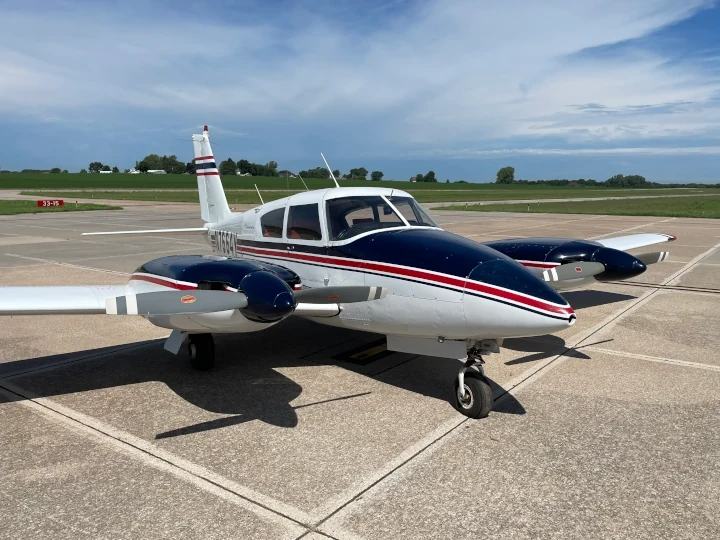
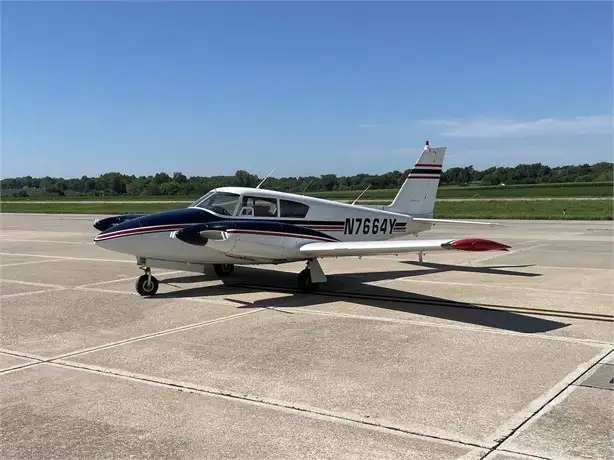
The Piper PA-30 Twin Comanche is an ideal training platform for multi-engine instruction. Its predictable handling characteristics and reliable Lycoming engines provide an excellent environment for learning multi-engine operations.
Multi-Engine Rating Training
Accelerate your aviation career with our intensive 7-day multi-engine rating program. Train in our Piper PA-30 Twin Comanche and master multi-engine operations.
What is Multi-Engine Training?
A multi-engine rating opens doors to advanced aviation careers and more capable aircraft. This rating teaches you to safely operate twin-engine aircraft, with emphasis on single-engine emergency procedures, performance management, and advanced systems operation.
Our intensive 7-day program is designed for pilots who want to efficiently add the multi-engine rating to their certificate. The course combines comprehensive ground instruction, simulator sessions, and flight training in our Piper PA-30 Twin Comanche.
You'll learn critical skills including engine failure procedures, VMC awareness, single-engine operations, and advanced aircraft systems. The program culminates with your FAA practical test, preparing you to safely operate multi-engine aircraft in various conditions.
7-Day Intensive Multi-Engine Program
Our multi-engine training program is designed as an intensive 7-day course that takes you from single-engine pilot to multi-engine rated. The program combines comprehensive ground instruction, simulator sessions, and flight training in our Piper PA-30 Twin Comanche.
The course follows a structured syllabus that builds from fundamental multi-engine aerodynamics to advanced single-engine emergency procedures. Each day is carefully planned to maximize learning while ensuring safety and proficiency.
Upon completion, you'll be prepared for the multi-engine practical test and have the confidence to safely operate multi-engine aircraft in various conditions.
Aircraft
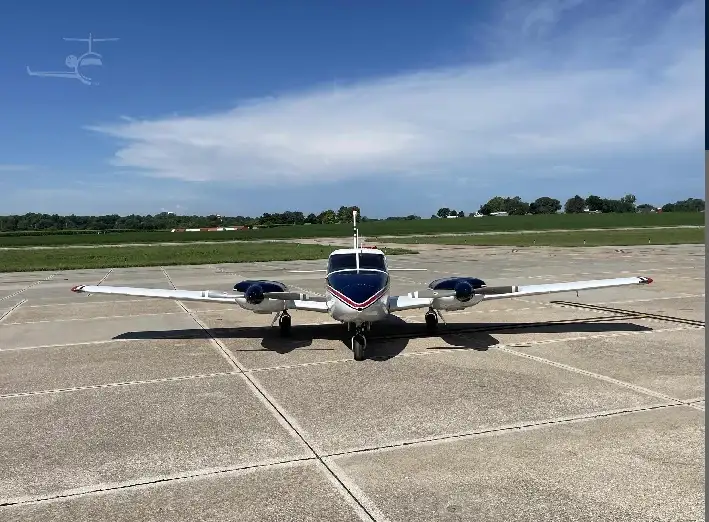
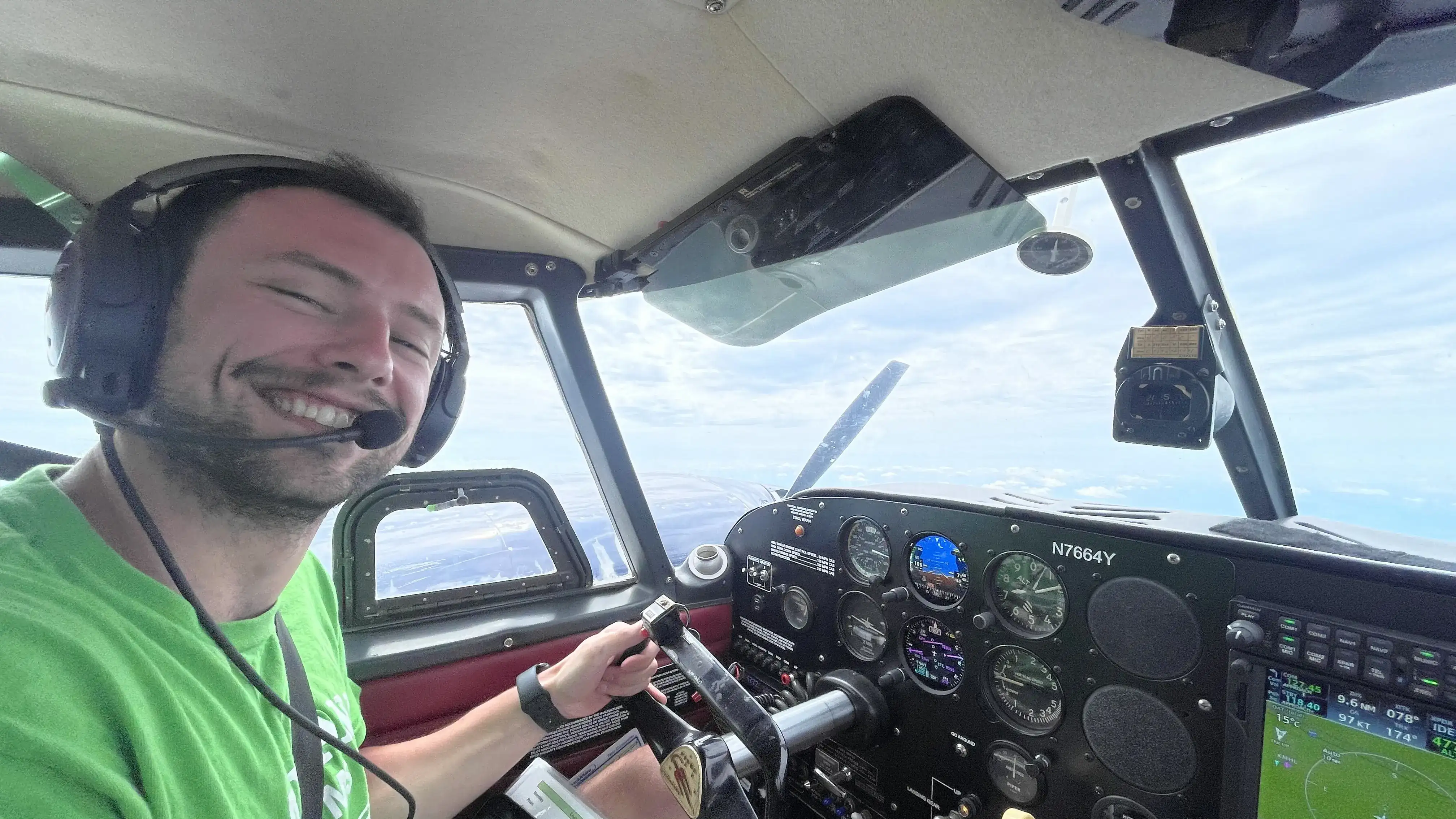
Piper PA-30 Twin Comanche
Key features include constant-speed propellers, counter-rotating engines (eliminating the critical engine factor), and excellent single-engine performance characteristics. The aircraft's systems are representative of most light twin aircraft you'll encounter in the general aviation fleet.
Our Twin Comanche is meticulously maintained and equipped with modern avionics including GPS navigation and advanced instrumentation to prepare you for today's aviation environment.
Daily Training Schedule
The 7-day program is intensive but structured to ensure thorough learning. Each day builds upon the previous day's lessons, culminating in the checkride on Day 7.
We understand that weather and maintenance can impact scheduling. In the event of delays, we work flexibly with students to adjust the schedule or combine lessons when possible.
For students traveling to the Kansas City area, we have arranged hotel discounts near the airport. The Hampton Inn and Fairfield Inn both offer special rates for our training students.
Requirements
Prerequisites & What to Bring
Current Private Pilot Certificate with Airplane Single-Engine Land rating
Current FAA Medical Certificate (at least 3rd Class)
Proof of U.S. Citizenship or TSA approval for foreign students
Logbook showing recent flight experience
Government-issued photo ID
Headset and flight gear
Current FAR/AIM and multi-engine study materials
Knowledge test results (if already completed)
Multi-Engine Training Syllabus
Comprehensive 7-day training program
1
Ground School & Simulator Foundation
Ground Lesson 1: Multi-Engine Aerodynamics
Understanding VMC, critical engine concepts, single-engine performance, and engine-out procedures. Mastering the aerodynamic principles that make multi-engine flying unique.
Ground Lesson 2: PA-30 Systems & Performance
Detailed review of Twin Comanche systems, weight and balance, performance calculations, and limitations specific to the PA-30.
Sim Session 1: Emergency Procedures
Practice engine failure drills, single-engine operations, and emergency procedures in a safe, controlled simulator environment before your first flight.
2
First Multi-Engine Flight
Flight Lesson 1: Multi-Engine Orientation
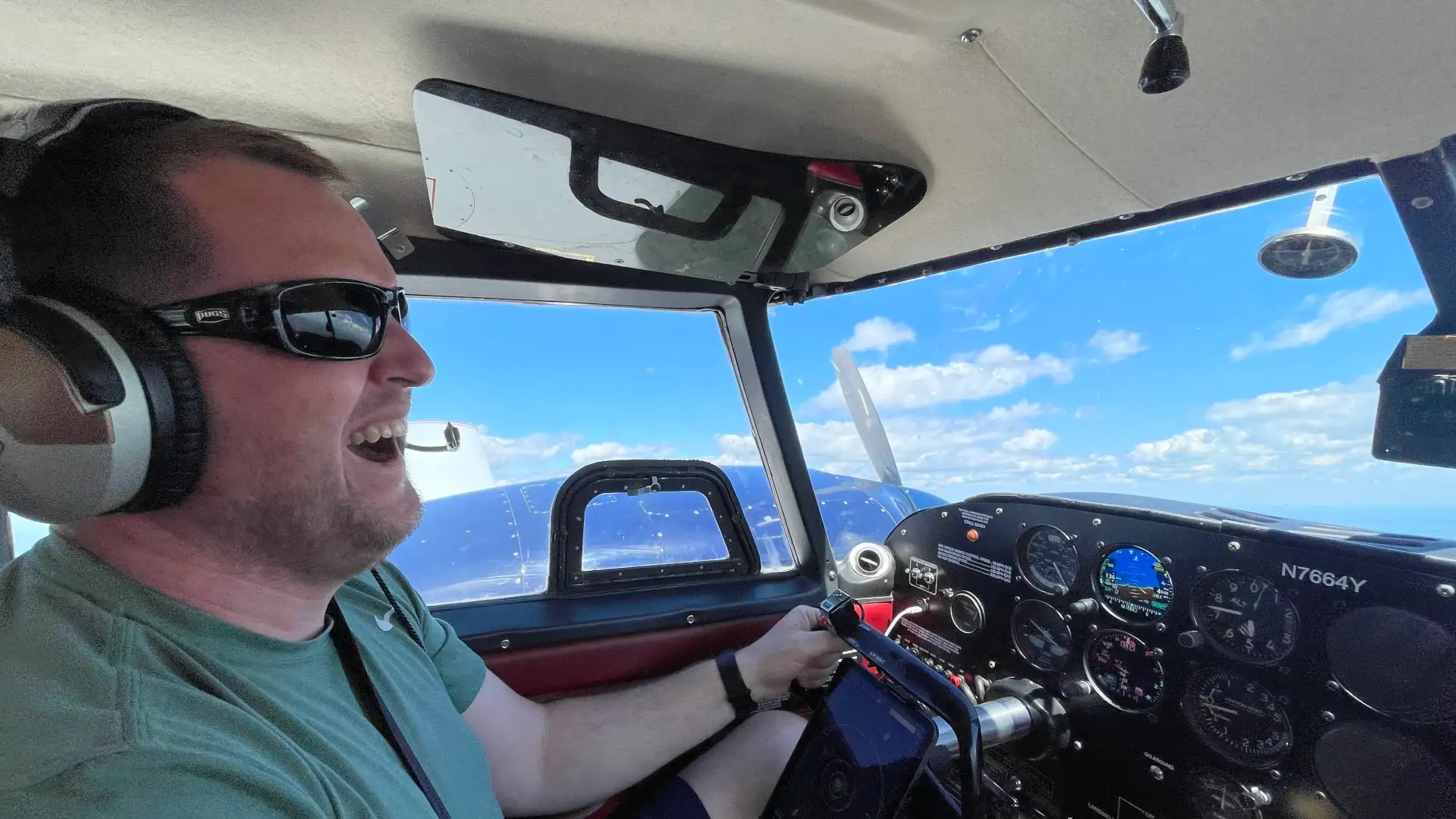
Extensive pre-flight training, aircraft systems orientation, and introduction to multi-engine operations. Practice normal takeoffs, climbs, and basic maneuvers.
Key Skills: Propeller synchronization, slow flight, stalls, steep turns, and introduction to single-engine operations. Learn the unique handling characteristics of multi-engine aircraft.
Focus Areas: Aircraft control and coordination while managing two powerplants. Introduction to the engine failure 'drill' and basic single-engine maneuvering.
3
Emergency Operations Mastery
Flight Lesson 2: Emergency Procedures
Intensive practice of multi-engine emergency procedures including engine failures during critical phases of flight.
Key Skills: Engine failure on takeoff, engine failure after liftoff, single-engine go-arounds, and engine restart procedures. Practice VMC demonstrations and drag demonstrations.
Advanced Techniques: Crosswind and short-field operations with emphasis on single-engine performance limitations and safety considerations.
4
ACS Task Integration
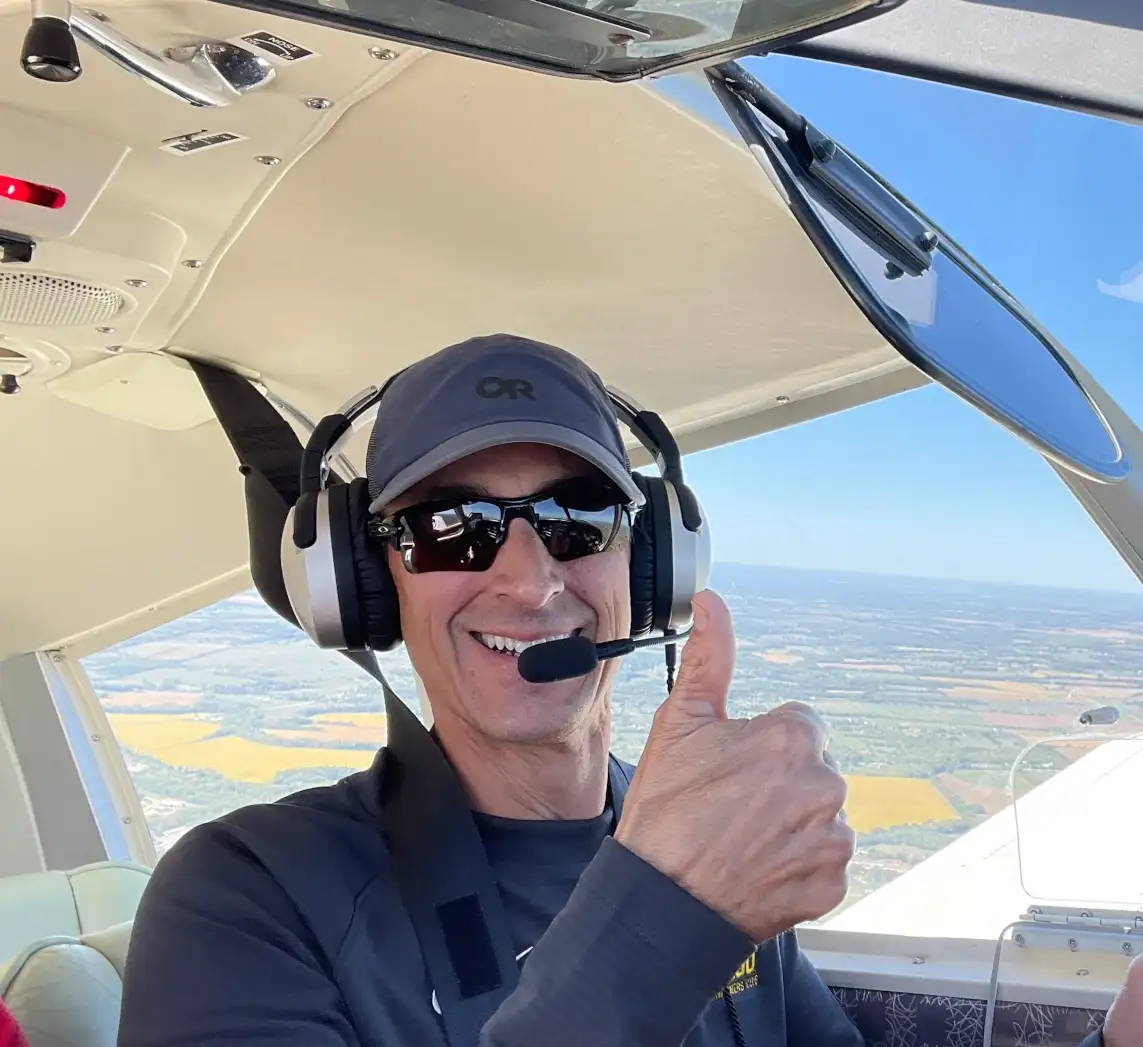
Flight Lesson 3: Complete ACS Review
Run-through of all Airman Certification Standards tasks to identify areas needing additional practice.
Comprehensive Coverage: All required maneuvers including single-engine instrument flying, systems malfunctions, emergency descents, and precision landings.
Performance Assessment: Detailed evaluation against ACS standards to develop targeted training plan for remaining lessons.
5
Skill Refinement
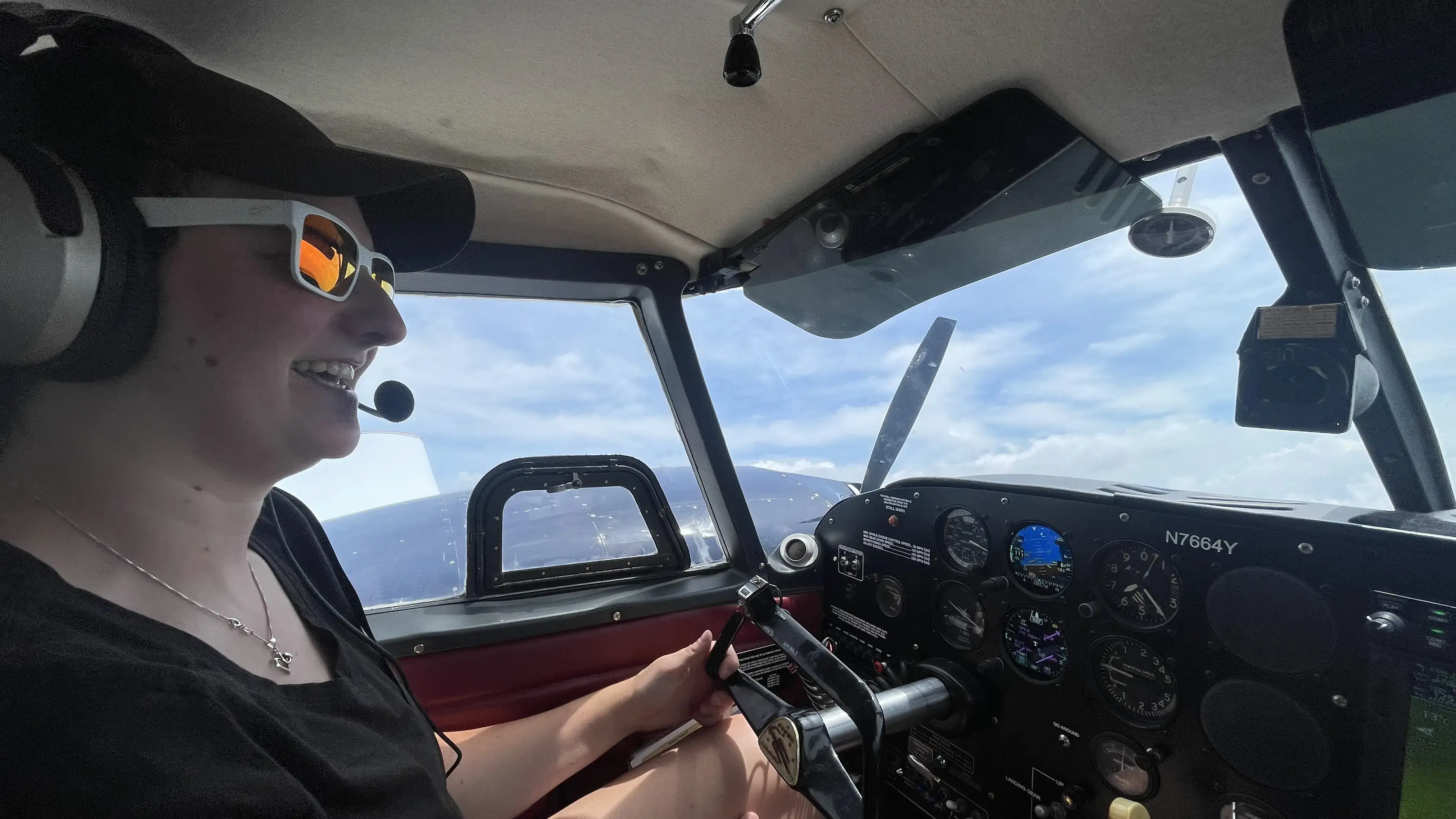
Flight Lesson 4: Clean-up & Refinement
Focused training on specific ACS tasks that require additional practice based on previous performance.
Customized Training: Lesson plan developed by instructor with student input to address specific challenge areas and build confidence.
Mastery Focus: Repeated practice of high-risk operations and maneuvers that typically challenge students during the checkride.
6
Checkride Preparation
Ground Lesson 3: Mock Oral Exam
Comprehensive oral examination covering multi-engine aerodynamics, systems, regulations, and emergency procedures. Final review of aircraft logbooks and documentation.
Flight Lesson 5: Mock Checkride
Full simulation of the practical test with another instructor acting as examiner. Builds confidence and ensures readiness for the actual checkride.
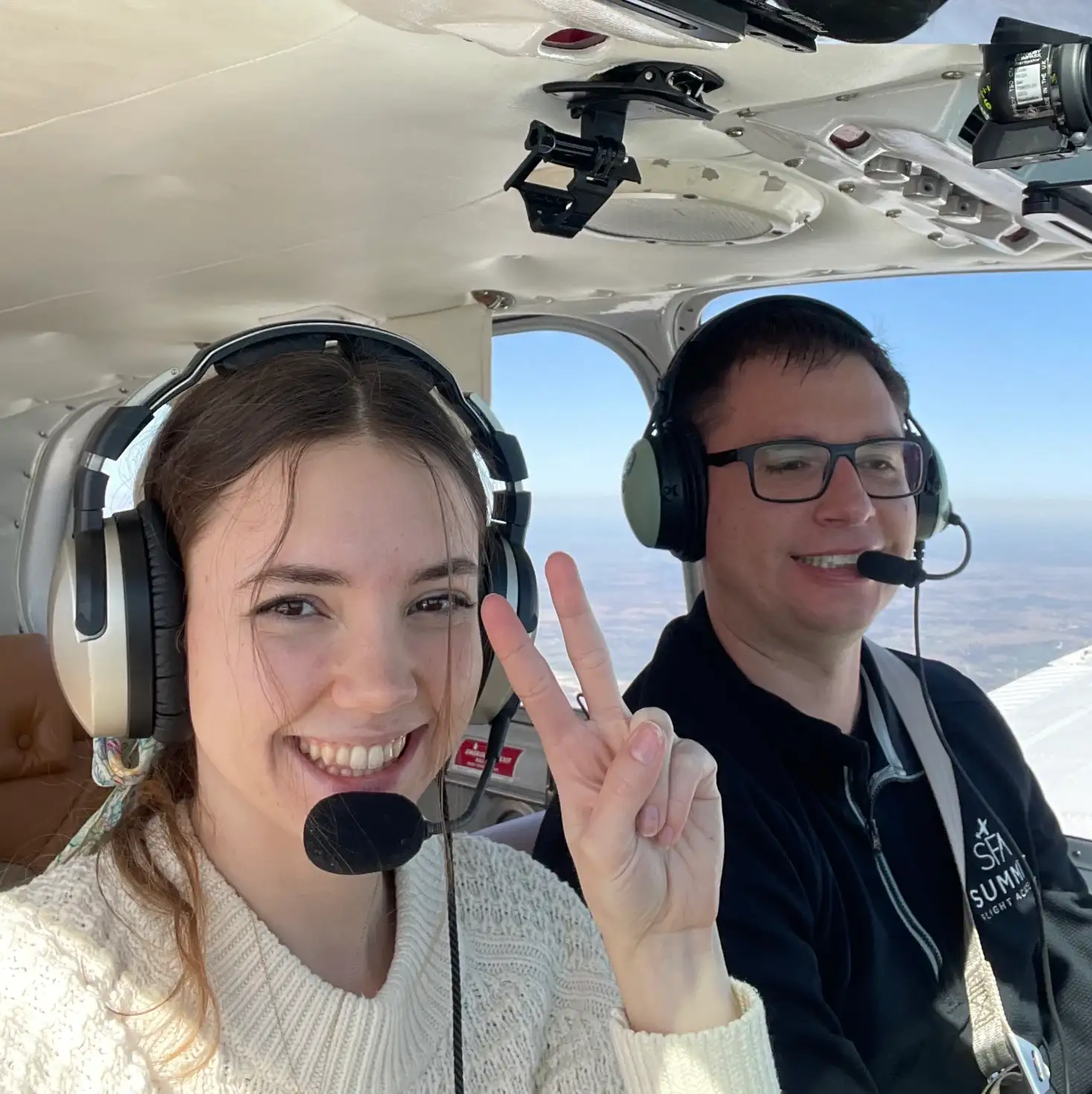
Administrative Completion: IACRA submission, final endorsements, and checkride briefing to ensure all paperwork and requirements are complete.
7
Checkride Day
Multi-Engine Practical Test
The culmination of your training - the official FAA checkride with a Designated Pilot Examiner.
Oral Examination: Demonstration of multi-engine knowledge, systems understanding, and risk management decision-making.
Flight Test: Performance of all required maneuvers to ACS standards, with emphasis on safe single-engine operations and emergency procedures.
Common Errors
Common Multi-Engine Training Errors
Avoid these common pitfalls during multi-engine training
Ready for Multi-Engine Training?
Adding a multi-engine rating significantly expands your aviation capabilities and career opportunities. With our structured 7-day program and experienced instructors, you'll build the skills and confidence needed to safely operate twin-engine aircraft.
The multi-engine rating represents a major step forward in your pilot development. You'll learn to manage complex systems, handle emergency situations, and understand advanced aircraft performance—skills that are essential for professional aviation careers.
Take the next step in your aviation journey. Contact us today to schedule your multi-engine training and join the ranks of pilots qualified to operate sophisticated twin-engine aircraft.
Multi-Engine
Frequently asked questions
1
What are the prerequisites for multi-engine training?
You need a Private Pilot Certificate with Airplane Single-Engine Land rating, a current medical certificate, and proficiency in single-engine operations. Instrument rating is recommended but not required.
2
How long does the multi-engine rating take to complete?
Our intensive program is designed to be completed in 7 days, but actual completion time may vary based on weather, aircraft availability, and student progress.
3
What is VMC and why is it important?
VMC is minimum control speed with critical engine inoperative. It's the minimum speed at which directional control can be maintained with one engine failed. Understanding and respecting VMC is critical for multi-engine safety.
4
Do I need an instrument rating for multi-engine training?
While not required, we strongly recommend having your instrument rating before multi-engine training. Many multi-engine maneuvers require instrument flying skills, and most multi-engine aircraft operations involve IFR flying.
5
What is the cost of the multi-engine rating program?
Cost varies based on aircraft rental, instructor time, and examiner fees. Contact us for current pricing and package options for our 7-day intensive program.