Instrument Rating FAQs
Focused answers for your flight training path
Why Summit Flight Academy
Meet Jami, the friendly admin at Summit Flight Academy, located at Lee's Summit Airport (KLXT) in Lee's Summit, Missouri. Jami is here to help you with any questions you may have about starting your aviation journey, from scheduling a discovery flight to connecting you with experienced flight instructors.
Instrument Rating Information
Instrument Rating Flight Training FAQs
Browse questions specifically about instrument rating certification, training hours, checkride prep, and package pricing at Summit Flight Academy.
The FAA has the following requirements to become instrument rated:
- Be at least 17 years of age (16 years of age to solo an airplane).
- Be able to read, speak, write, and understand the English language.
- Hold at least a U.S. private pilot certificate.
- Hold at least a third-class medical or meet BasicMed requirements.
- Meet the aeronautical experience requirements.
- Pass the FAA knowledge test.
- Pass the practical test (aka checkride).
An instrument rating is ideal for pilots that:
- Seek to hone their skills and tackle the challenge of instrument flight.
- Want the extra training to more safely fly in a variety of conditions.
- Don't want to be left stuck by ceilings lower than personal or regulatory VFR minimums when conditions are clear soon after departure.
- Fly cross-country frequently and want to be able to safely navigate routine weather that may prohibit visual flight.
Some of what you'll learn and do:
- Complete ground school (online + instructor): Upon completion, you will take an FAA knowledge exam on aviation topics such as advanced weather, instrument flight rules and procedures, instrument navigation systems, etc.
- Simulated and instrument flight training: You'll fly under "the hood" or in actual instrument conditions (Piper aircraft only) with a trained CFII instrument instructor to learn how to scan instruments, fly under IFR conditions, navigate with instruments, and depart and approach airports with instrument techniques.
- Cross-country flights: One benefit of an instrument rating is expanded cross-country capabilities, and you'll hone your instrument skills on cross-country flights.
- Checkride preparation: Once all the FAA requirements are completed, you'll begin to focus on bringing it all together. You'll work with your instructor to prep for the oral portion of your checkride and fly together to ensure all flight tasks meet the FAA Airman Certification Standards.
Items included:
- Simulator instruction
- Aircraft flight time
- Instructor Services, including checkride prep
- Online ground school course
- Electronic chart subscription
- Insurance
Items not included:
- Third-party fees: You will pay directly for your knowledge test ($175) and checkride fee ($850).
- Pilot supplies: Generally few additional supplies are needed for instrument students. Most prefer to have their own view-limiting device and a few other supplies that we'll help you address economically.
Life happens, we get it. If you need to defer your training you may pause payments and elect a future restart date. If you have paid off your program, but have not completed it, your program remains valid for one year after the initial program end date. Upon restart, you may receive a new instructor and experience the need to fly additional hours to complete your certificate, but we will provide all hours originally paid for by your package.
If you need to withdraw from your program, you will lose access to the preferred package pricing. We will bill you current retail pricing, plus a 5% administrative fee for all instructor services and flight time flown. Insurance, ground school, and ForeFlight fees are, unfortunately, non-refundable. Any remaining money on account will be refunded within 7 days of written notice of withdrawal. If your account is in deficit, we will need the balance paid off at the time of cancellation.
Still have a specific question?
Have a specific question about your flight training goals? Our instructors are ready to help.
Book a Discovery FlightWhy Become a Pilot?
If you've thought about becoming a pilot, now is the perfect time to get started. Summit Flight Academy is your place to start training and get your pilot certificate and ratings.
How to Become a Pilot
Embark on the exciting journey to becoming a pilot with Summit Flight Academy by following these structured steps.
- Sign Up
- Enroll in Summit's Private Pilot Program to receive comprehensive knowledge and hands-on experience guided by our seasoned instructors.
- Train
- Immerse yourself in hands-on flight training and Summit's tailored ground school education, gaining expertise in navigation, weather, radio communications, and regulations.
- Pass the Exams
- Successfully complete the FAA written exam, a practical flight test with a FAA Designated Pilot Examiner (DPE), and receive your Private Pilot Certificate.
By beginning training with us, you'll soon be up in the air on your own, and closer to succeeding in your aviation goals than ever before.
Give Flying a Try
Take an Intro
Flight Today
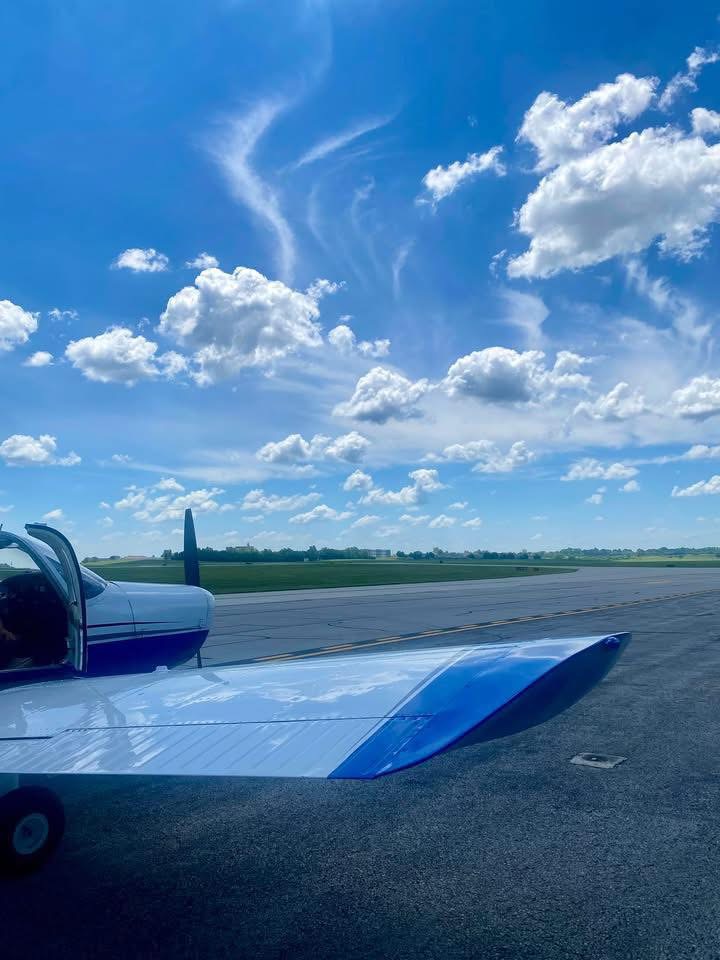
Test out if flight training is right for you by booking an introductory discovery flight with us! Meet the team, visit the flight school, and go up in a plane with one of our expert instructors.