Aircraft Rental in Kansas City: 2026 Pilot Checklist
Published by:
Summit Flight Academy Team
Published on:
Updated on:
Read time:
8 min read
If you are searching for aircraft rental in Kansas City, the first question is not only “what does it cost?” The better question is, “Am I approved, insured, checked out, and ready to fly the right aircraft?”
At Summit Flight Academy in Lee’s Summit, aircraft rental is handled through a request and approval process. That matters because renting an aircraft is different from renting a car. Your certificate, ratings, recent experience, insurance, aircraft checkout, and school policy all matter before you schedule the flight.
This guide explains what student pilots and certificated pilots should know before they request aircraft rental near Kansas City, including Summit’s fleet, rental request process, and insurance requirements.
Start With Eligibility, Not Just Hourly Rate
Aircraft rental near Kansas City starts with eligibility, checkout, insurance, and availability. A low hourly rate does not help if you are not approved to rent that aircraft, if you need a flight review first, or if your insurance is not in place.
At Summit, aircraft rental starts with a contact request. Rental is not automatic approval. The team confirms your eligibility, checkout needs, insurance, aircraft fit, and whether your current training relationship meets Summit’s rental policy before you schedule.
That approach protects you from surprises. Before you plan a trip, you want the team to confirm:
- Which aircraft may be available for your goal
- Whether you need a checkout flight
- Whether you need a flight review or instrument proficiency check
- What insurance coverage is required
- Whether your intended use fits the rental agreement
Who Can Rent or Fly Solo Through Summit?
The safest way to think about rental is this: holding a pilot certificate is not the same as being approved to rent a specific aircraft. Summit still needs to confirm your paperwork, currency, checkout needs, and current rental policy by contacting our team.
Here is the plain-English breakdown.
| Pilot type | What to know before you request rental |
|---|---|
| Certificated pilot | You can submit a rental request, but Summit must confirm eligibility, aircraft checkout, insurance, and availability. |
| Student pilot | You do not rent like a private pilot. Student solo flights depend on FAA requirements, current instructor endorsements, Summit approval, and the training plan in Private Pilot Training. |
| New-to-Summit pilot | You may need a flight review, instrument proficiency check, or checkout before rental approval. Summit can coordinate Flight Review or IPC requests when you get in touch with our team. |
| Multi-engine pilot | Summit’s Piper Twin Comanche is reserved for dual multi-engine instruction, not solo rental. If you need multi-engine training, start with the Multi-Engine Rating path. |
For student pilots, the key point is simple. A solo flight is part of training, not open rental. You need the right endorsements for the aircraft, the flight area, and the type of flight. Student pilots also cannot carry passengers.
For certificated pilots, the key point is different. Your certificate may make you eligible to ask, but it does not remove the need for a school checkout, insurance, and current approval.
What Aircraft May Be Available?
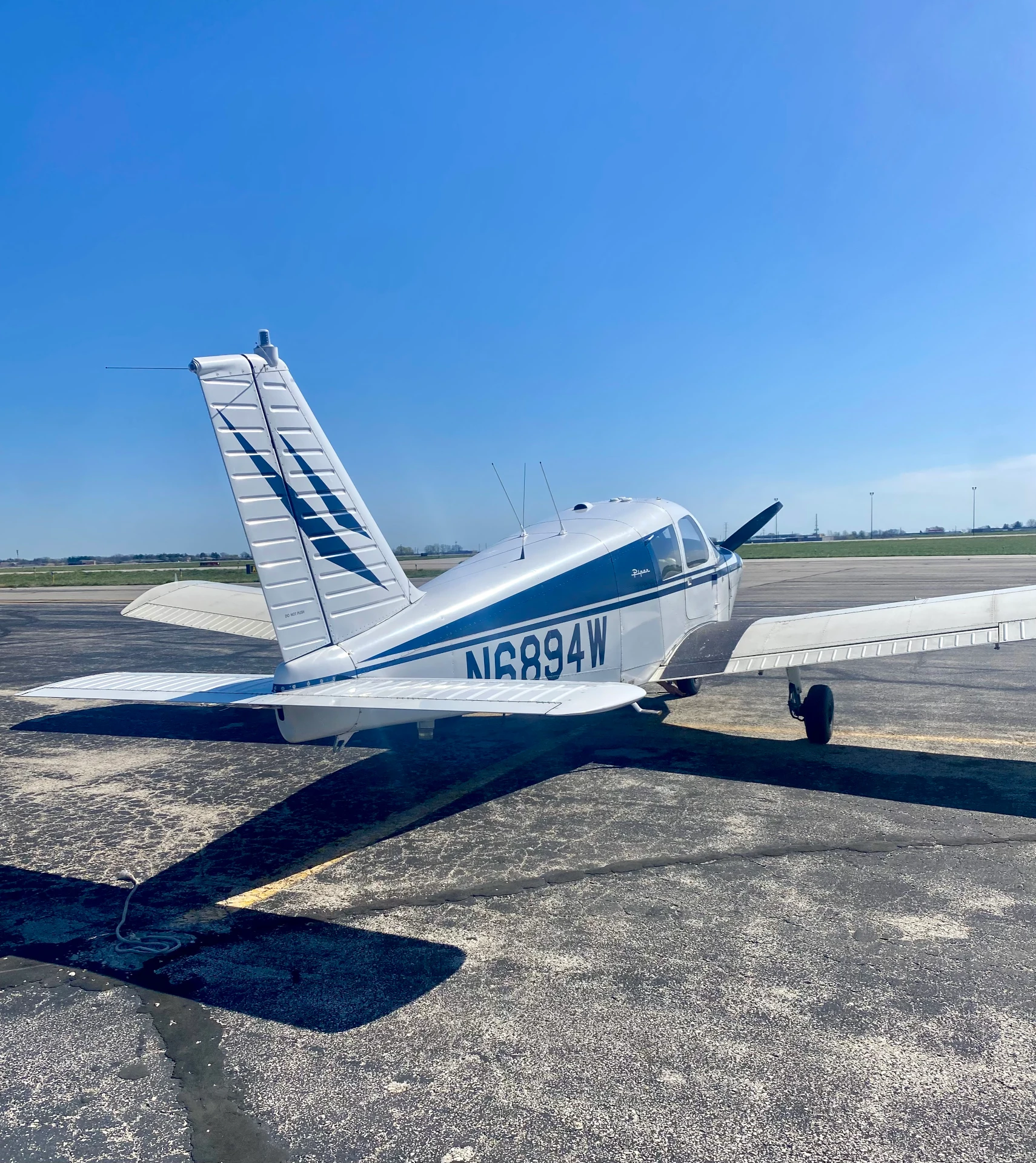
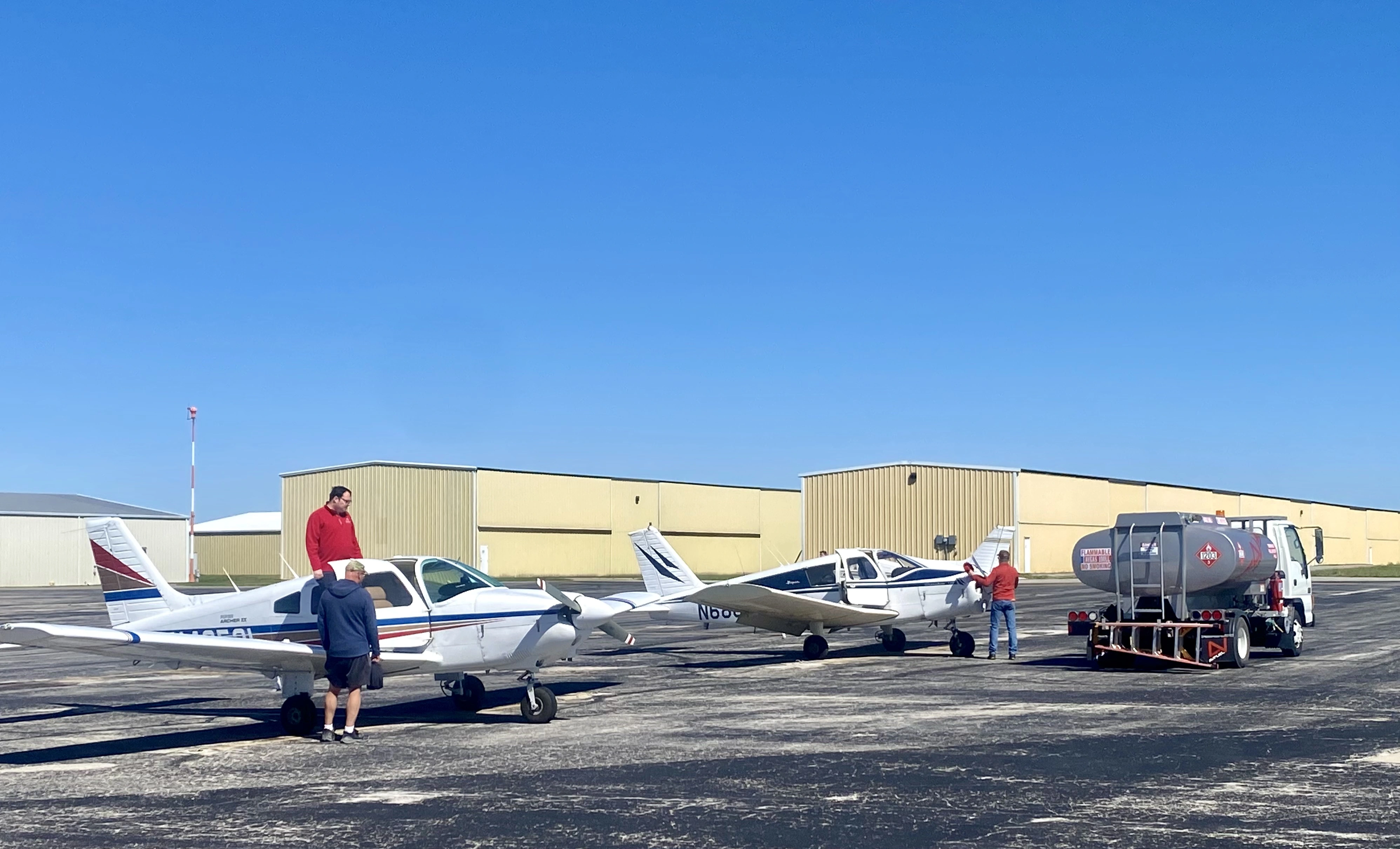
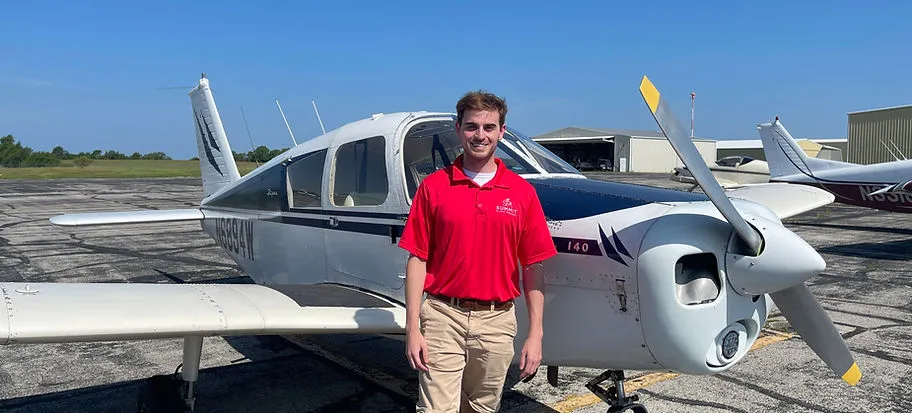
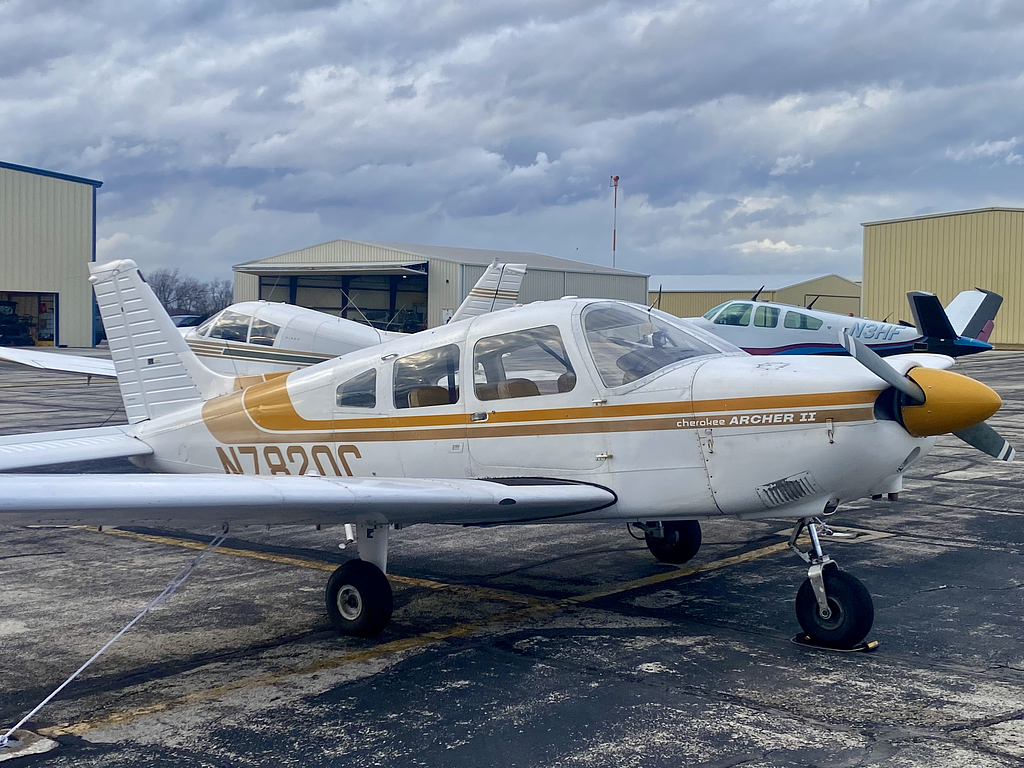
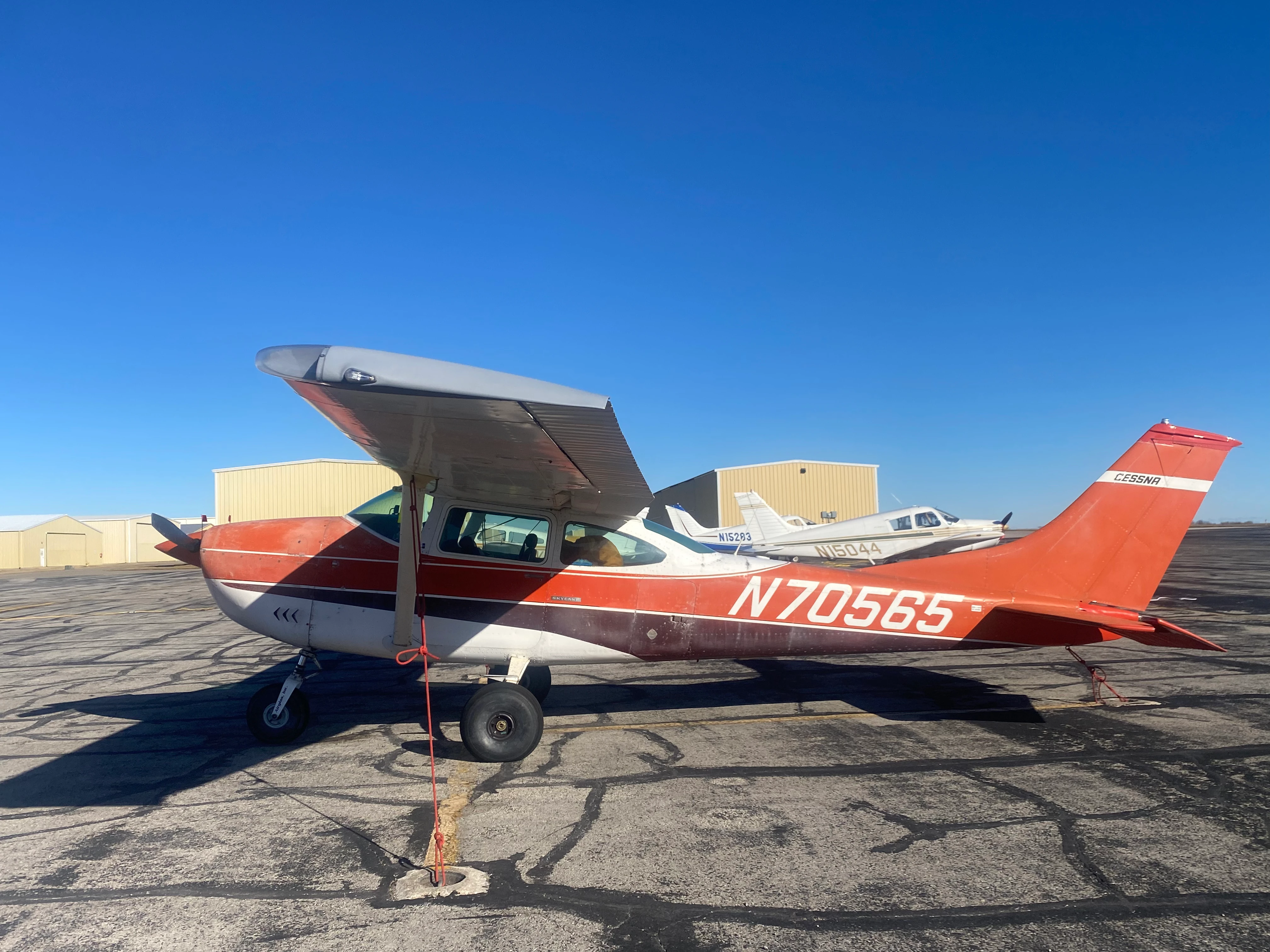
The Summit fleet includes aircraft used for flight training and rental inquiries, including Piper PA-28 models and a Cessna 182. You will see VFR and IFR-equipped aircraft, with several avionics packages such as Garmin, Aspen, ADS-B, and IFR GPS equipment.
That does not mean every aircraft is available for every renter or every mission. A better question is, “Which aircraft fits my certificate, experience, checkout, and trip?”
| Aircraft in the Summit fleet | Why it may matter to you |
|---|---|
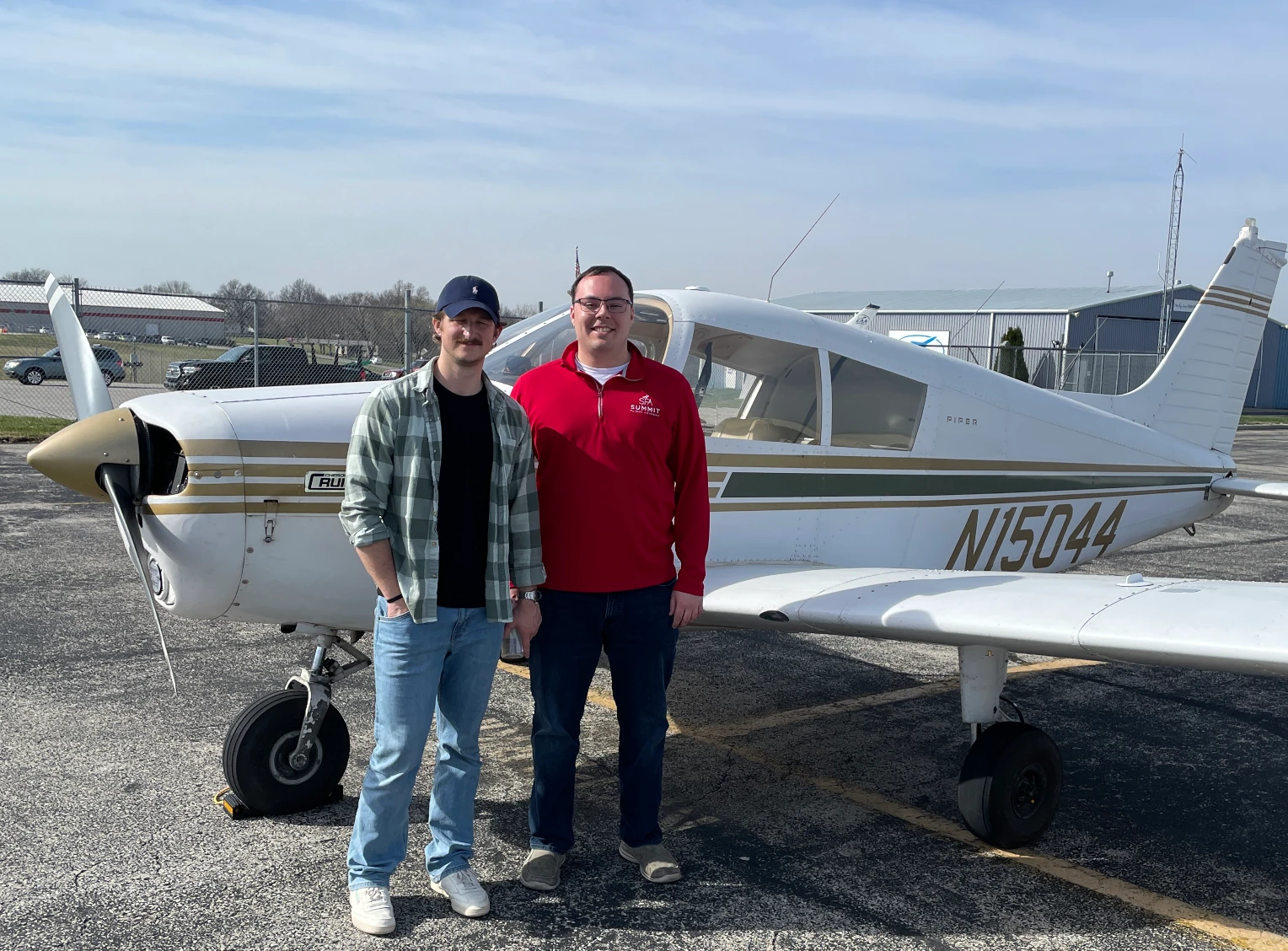
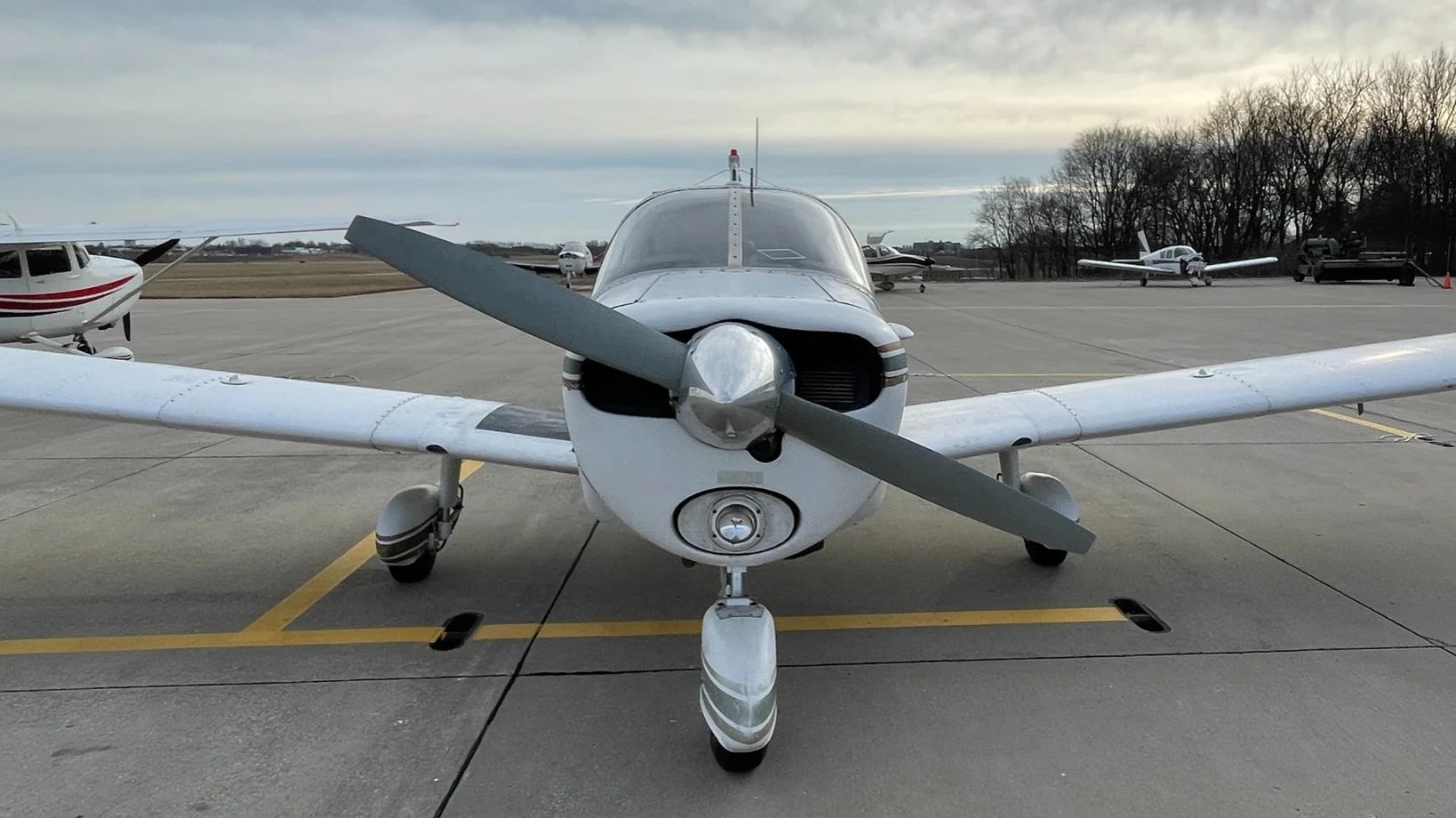
| Piper Cherokee and Warrior models | These aircraft can fit local practice, proficiency flying, and training scenarios when approved by Summit. |
| Piper Archer models | The Archer may fit pilots who want a familiar PA-28 platform with more capability than a basic trainer, depending on checkout and availability. |
| Cessna 182 Skylane | The 182 may fit pilots who need a higher-performance aircraft, but that also means the team must confirm the right qualifications and checkout. |
| Piper Twin Comanche | This aircraft supports multi-engine instruction. It is a dual-instruction aircraft, not a solo rental option. |
If your goal is proficiency, currency, or a local flight, ask Summit which aircraft fits your use. If your goal is a rating, a checkout, or a return to flying after time away, the better starting point may be a training conversation through pilot training instead of a simple rental request.
What Happens Before You Get the Keys?
Before aircraft rental is approved, expect a process. At Summit, rental request details are confirmed directly with you, which helps both sides avoid unclear expectations.
A typical rental path may include:
- Contact Summit directly to initiate a rental request.
- Confirm your certificate, ratings, and flight experience.
- Discuss the aircraft you want to fly and why.
- Complete any required checkout flight, flight review, or IPC.
- Confirm required renter insurance through the insurance page.
- Schedule only after Summit confirms approval and aircraft availability.
This is not red tape for its own sake. It gives you a clear plan before money and time are spent. If you need a checkout, you know that early. If your insurance does not meet current requirements, you can fix it before the planned flight. If your desired aircraft is not the best fit, Summit can point you toward a better next step.
After onboarding, Summit uses Flight Circle accounts, a card on file, pay-per-lesson options, block time, and financing conversations where they fit the training plan. For pilots who are still training or returning to structured training, review the current financing options and confirm what applies to your situation.
Insurance Is Part of the Rental Decision
Aircraft rental brings a real insurance question. At Summit, the school’s commercial aircraft insurance protects the aircraft and business, but a renter may still need non-owned aviation coverage.
Renters need to carry a non-owned aviation policy with Summit’s required coverage levels before they fly. Packaged training students may already have the required coverage included, but insurance requirements and pricing can change. Confirm the current coverage, deductible exposure, and policy details before you fly.
This is where many pilots lose time. They ask about the aircraft first and insurance last. A better order is:
- Confirm eligibility before choosing an aircraft.
- Confirm insurance before choosing a date.
- Confirm the checkout before assuming you can leave the pattern.
- Confirm the rental agreement before planning passenger, travel, or business use.
If you are not sure whether a non-owned aviation policy is right for you, ask Summit what it requires and speak with a qualified insurance provider. The insurance page is a starting point, not legal or financial advice.
What Should You Expect to Pay?
At Summit, aircraft rental has been listed in the $140 to $160 per hour range, with block discounts when pilots purchase 10 or more hours. Treat that as a starting point for the conversation, not a guaranteed quote.
Your real cost can include more than the hourly aircraft rate:
- Aircraft rental time
- Instructor time for a checkout, flight review, or IPC
- Renter insurance
- Fuel or operating terms listed in the rental agreement
- Taxes, account setup, or payment processing terms
- Extra training if you are not current or not yet ready for the aircraft
That is why a “plane rental near me” search should lead to a conversation, not only a rate sheet. The right question is, “What is the full path from request to approved flight?” Start with Summit’s contact page to get that answer.
Why Renting Locally Near Kansas City Can Matter
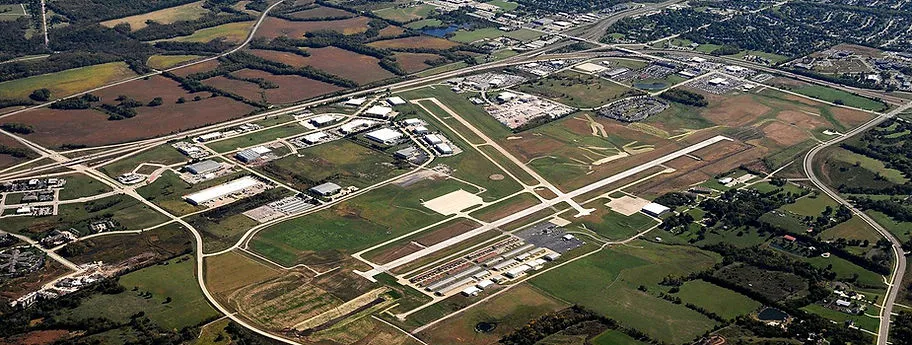
Local rental can save more than drive time. If you live in the Kansas City area, training or renting from Lee’s Summit Municipal Airport can make it easier to handle checkouts, weather delays, insurance questions, and schedule changes without losing half a day to travel.
That does not mean local rental is always cheaper. The total cost depends on the aircraft, checkout time, insurance, weather, and your own currency. But local access can reduce friction, especially if you are already training, staying current, or working toward the next certificate at Summit.
It also helps when you need a real conversation. If you are a student pilot, renter, returning pilot, or instrument-rated pilot who needs an IPC, the answer may not fit into one form field. Summit’s resources give you a starting point, and the team can help match the path to your goal.
Aircraft Rental FAQ for Kansas City Pilots
Can any certificated pilot rent from Summit?
Not automatically. A certificated pilot can submit a request by contacting Summit, but Summit must confirm eligibility, checkout needs, insurance, rental policy, and aircraft availability.
Can student pilots rent aircraft?
Student pilots do not rent like private pilots. A student solo flight depends on FAA requirements, current instructor endorsements, Summit approval, and the training plan for programs such as Private Pilot Training.
Does Summit rent multi-engine aircraft solo?
No. Summit’s Piper Twin Comanche is used for dual instruction, not solo rental. If your goal is multi-engine experience, review the Multi-Engine Rating program instead of planning a solo rental.
Do renters need insurance?
Yes. Renters are expected to carry non-owned aviation insurance with Summit’s required coverage levels. Confirm current requirements before you schedule.
Is local aircraft rental cheaper than driving to another city?
Not always. Local rental may reduce travel time and schedule friction, but total cost depends on aircraft rate, checkout time, insurance, weather, and availability. Start with the fleet page and confirm current terms.
What is the best first step?
Get in touch. If you are asking about rental, start with our contact page. If you may need a flight review or IPC first, let our team know when you reach out.
Ready to Ask About Aircraft Rental Near Kansas City?
If you are a student pilot, certificated pilot, or returning pilot, your next step is to confirm the path before you schedule the aircraft. Start with Summit’s contact page, review the fleet, and check the current insurance requirements.
That gives you a clear answer on the aircraft, checkout, insurance, and schedule before you commit to the flight.