Flight Instructor Jobs in Kansas City: 2026 CFI Guide
Published by:
Summit Flight Academy Team
Published on:
Updated on:
Read time:
8 min read
If you are searching for flight instructor jobs in Kansas City, you are probably close to the point where training turns into work. You may be finishing commercial training, comparing CFI programs, or asking whether teaching can help you build the time and skill needed for a professional pilot path.
The short answer: CFI training can be a smart next step, and instructing is a common way for pilots to build experience. But a CFI certificate is not a job guarantee, so the right move is to understand what CFI training involves, what makes a strong instructor candidate, and how to stay ready when the timing lines up.
Start With CFI Training Before You Chase the Job
Most pilots who search for CFI jobs in Kansas City need two things at once: a training plan and a hiring plan. They are connected, but they are not the same.
Instructor Training helps you prepare for the FAA flight instructor certificate. A CFI certificate allows you to instruct within your certificate, ratings, and FAA limitations. Employment is separate. A school still has to need instructors, review your qualifications, evaluate your professionalism, and decide whether you fit its students and culture.
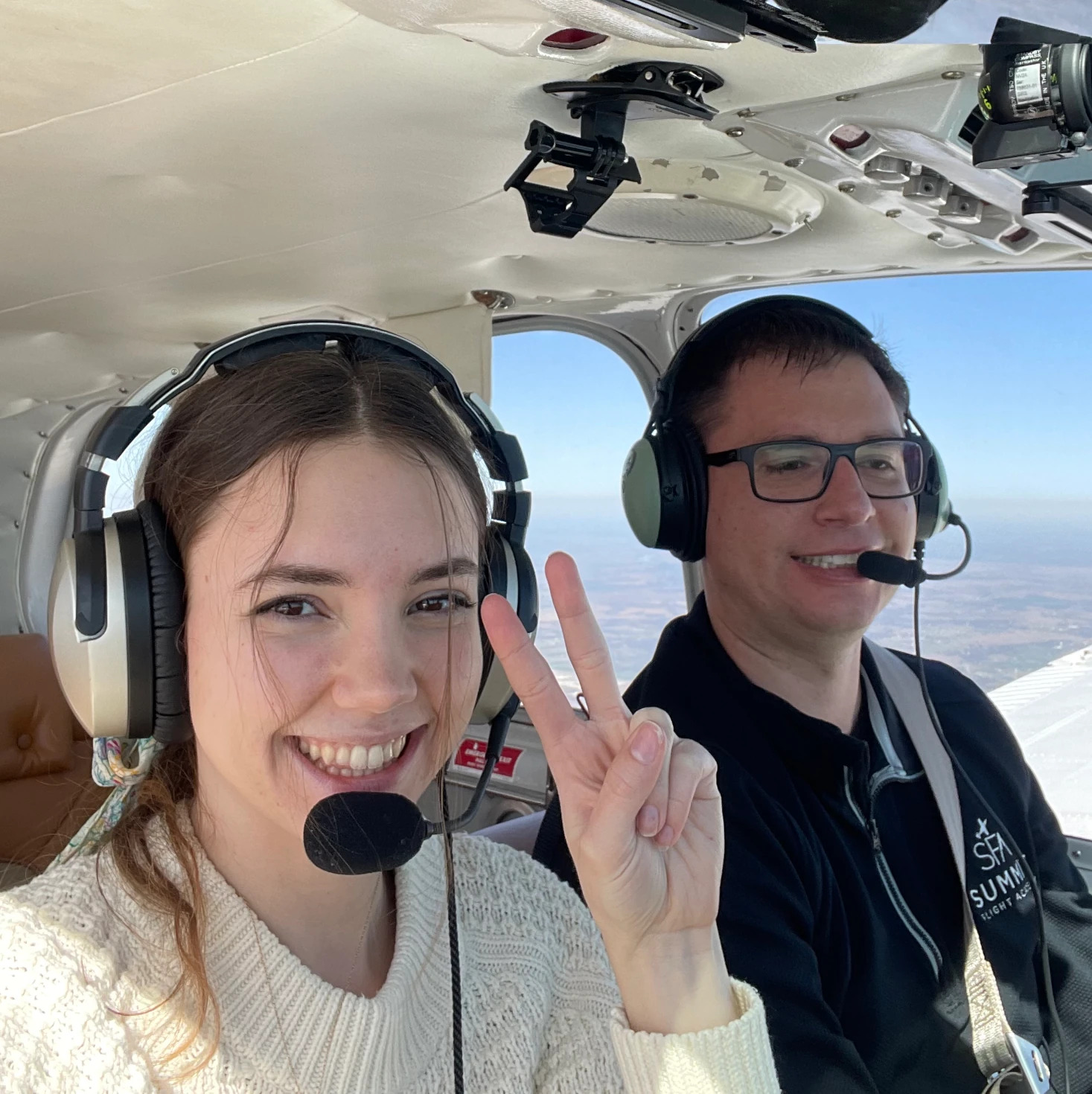
That separation matters because it protects your expectations. You are not just trying to pass another checkride. You are preparing to sit in the right seat while a new pilot learns to control the airplane, manage fear, understand weather, talk on the radio, and make safe decisions.
At Summit, that path fits into a broader career sequence that can include Commercial Pilot Training, Instructor Training, Career Track, and later add-on training such as Multi-Engine Rating.
What a CFI Candidate Needs to Understand
CFI training is different from earlier certificates because the standard changes. In Private Pilot Training, you learn to fly safely as pilot in command. In Commercial Pilot Training, you refine precision and professional judgment. In Instructor Training, you learn to explain, demonstrate, correct, and coach.
At Summit, your CFI training follows four broad steps:
| Step | What it means for you |
|---|---|
| Meet the prerequisites | Most airplane CFI candidates reach this stage after commercial pilot training, but exact FAA eligibility depends on the instructor rating sought. |
| Build teaching knowledge | You study aerodynamics, systems, regulations, lesson structure, and how to explain hard ideas in plain language. |
| Practice flight instruction | You learn to demonstrate maneuvers, evaluate student performance, and keep the cockpit organized while teaching. |
| Prepare for the practical test | CFI training ends with a practical test that checks both your flying skill and your ability to teach. |
The biggest shift is mental. A strong CFI candidate is not only asking, “Can I do this maneuver?” The better question is, “Can I teach this maneuver to someone who is confused, nervous, or overloaded?”
That is why the Road to Your Checkride mindset still matters. A CFI checkride is not only another box. It is a test of whether you can make aviation clear to someone else.
CFI, CFII, and MEI Are Not the Same Credential
When pilots search for CFI training near me, they often see CFI, CFII, and MEI used together. They are related, but they are not the same.
| Instructor path | What it can help you teach |
|---|---|
| Instructor Training for CFI | Basic flight instruction within your instructor certificate, ratings, and FAA limitations. |
| CFII or CFI-I | Instrument instruction, when you hold the right instructor privileges and meet FAA requirements. |
| MEI with Multi-Engine Rating experience | Multi-engine instruction, when you hold the right instructor privileges and meet aircraft, rating, and school requirements. |
At Summit, instructor training can support CFI, CFII, and MEI goals. For future instructor opportunities, CFII-level credentials are especially valuable, and MEI experience can strengthen the conversation. Confirm current hiring requirements before you build your plan around one credential.
Adding CFII or MEI can broaden the kinds of instruction a qualified instructor may provide. But it does not guarantee faster hiring, faster hour building, or a specific teaching schedule. Those things depend on school needs, aircraft, student demand, insurance, instructor availability, and your fit with the training environment.
If your goal is a professional track, the better question is not, “Which rating makes me instantly employable?” The better question is, “Which instructor path makes me more useful, safer, and better prepared for the students I want to teach?”
How Summit Handles CFI Job Interest
This point matters enough to say plainly: at the moment, Summit’s instructor team is fully staffed. When instructor positions open, the Teach at Summit page is the place to check for the next step.
That gives you the right expectation. If you are looking for flight instructor jobs in Kansas City, Summit is a school to watch, but do not treat future-interest language as an active opening until the team confirms it.
Summit may add more instructors as the school grows and student needs change. If you hold CFII-level credentials and want to be considered for future opportunities, start with the Teach at Summit page and confirm the best current next step before sending materials.
A realistic path looks like this:
- Finish the required training and FAA practical test for the instructor certificate you seek.
- Build a clean, organized instructor resume.
- Keep your records, endorsements, and logbook current.
- Keep an eye on the Teach at Summit page for openings.
- Contact Summit through the current hiring path when positions are posted.
This is a better plan than waiting until a job appears and then rushing your training, paperwork, and interview prep.
Why Kansas City Can Be a Practical Place to Instruct
Kansas City-area instructing can be useful because local pilots may be able to build experience without relocating. Summit trains from KLXT in Lee’s Summit, serving the Kansas City metro, so pilots who already live nearby can keep their training, relationships, and aviation network close to home through career-focused training.
The local flying environment can also create real teaching moments. Seasonal Midwest weather, wind, changing ceilings, and local airport operations can help instructors teach conservative go/no-go judgment. That is valuable, but it should never be sold as “great weather” in a simple way. Weather can teach, and weather can cancel.
For a new instructor, that balance matters. You are not only logging time. You are learning how to explain risk, when to stay on the ground, how to brief a student, and how to make a lesson useful even when the original plan changes.
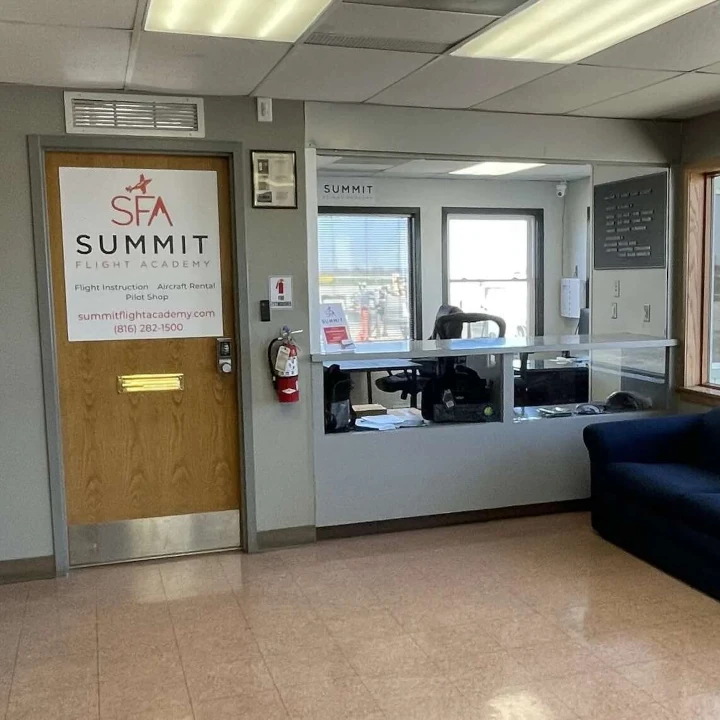
If you want to understand the training environment before you choose a CFI path, visit Summit in person. Seeing the airport, the fleet, and the school culture can tell you more than a search result can.
How CFI Work Fits the Airline Path
Many pilots earn a flight instructor certificate after commercial training and use instruction as a common way to build experience toward later professional roles. That is why CFI training appears in so many career-track conversations.
Still, there are two milestones you should keep separate:
- Airline eligibility: Standard ATP eligibility commonly involves 1,500 total hours, while restricted ATP pathways may apply to qualifying pilots.
- Airline hiring: Airlines set their own hiring standards beyond FAA minimums, including interviews, records, training history, medical qualification, background checks, and company needs.
That means instructing can help you build flight time and teaching experience, but it does not guarantee an airline job. At Summit, the Career Track helps you understand the training sequence, and financing options may help you evaluate how to fund the next certificate or rating. Confirm current lender terms before making a financial decision.
The best CFI candidates treat instructing as more than a bridge. They treat it as a professional role. Students can tell the difference between someone who wants to teach and someone who only wants hours.
What Makes a Strong Summit CFI Candidate?
At Summit, the right instructor is more than a pilot with hours. The team values instructors who respect the profession, teach well, and prioritize safety. Student reviews also mention helpful staff, professional instructors, schedule support, and a comfortable training culture.
For a future applicant, that points to a clear standard: become the instructor a student would trust.
That means you should be ready to show:
- Clear communication
- Calm cockpit habits
- Organized lesson planning
- Respect for weather and personal limits
- Clean records and strong professionalism
- Willingness to learn Summit’s way of training
- Interest in mentoring students, not only building hours
This is also where your own training choices matter. If you train at Summit through Instructor Training, you get to learn the school’s environment, aircraft, and teaching expectations from the inside. That does not guarantee a job, but it can help you understand the culture before you pursue future openings.

Questions to Ask Before You Train for CFI
Before you commit to CFI training, ask better questions than “How fast can I finish?” Speed matters, but readiness matters more.
Use this checklist when you compare CFI training in Kansas City:
- Which instructor certificate or rating are you pursuing first?
- What FAA eligibility requirements apply to that path?
- How will you prepare for both teaching knowledge and flight proficiency?
- How will the school help you practice explaining maneuvers?
- What aircraft will you use for training?
- What does the school expect from future instructor applicants?
- Is the school currently hiring, fully staffed, or accepting future interest only?
- How will you fund the next step, and have you reviewed current financing terms?
Those questions keep the decision grounded. You are not buying a promise. You are choosing the training environment that will shape how you teach.
FAQ: CFI Training and Instructor Jobs Near Kansas City
Is Summit hiring flight instructors right now?
At the moment, Summit’s instructor team is fully staffed. Check Teach at Summit for future openings before treating it as an active job opportunity.
Can CFI training lead to a first aviation job?
It can. Flight instruction is a common first professional role after commercial training, but employment is not automatic. Your certificate, professionalism, school needs, timing, and fit all matter. Start with Instructor Training if you need the CFI path.
Do I need CFII or MEI to be considered?
CFII-level credentials are especially useful for future Summit instructor conversations, and MEI experience can be a plus. Confirm current requirements through the Teach at Summit page before making career plans around that detail.
Does instructing guarantee an airline job?
No. Instructing can help you build flight time and experience, but airline eligibility and airline hiring are separate. Use Summit’s Career Track page to understand the training sequence without assuming a guaranteed outcome.
Is Kansas City a good place to build instructor experience?
It can be practical for local pilots because training near home can reduce relocation friction. The Kansas City-area environment also gives instructors real weather and local airport teaching scenarios. Visit Summit at KLXT to see the setting in person.
Your Next Step
If your goal is to become a CFI, start with training readiness. Review Summit’s Instructor Training, watch Teach at Summit for future openings, and contact us when you are ready to take the next step.
CFI training can help you move from pilot to teacher. The job comes later, when your qualifications, timing, and the school’s needs line up.


-certified-flight-instructor-summit-flight-academy-lees-summit-pilot-training.jpg)