Multi-Engine Rating Near Kansas City: 2026 Cost Guide
Published by:
Summit Flight Academy Team
Published on:
Updated on:
Read time:
8 min read
You are probably past the beginner stage if you are searching for a multi engine rating near me. You already know aviation is not just a hobby question. You want to know whether a multi-engine add-on is worth the time, cost, and schedule pressure before you choose where to train near Kansas City.
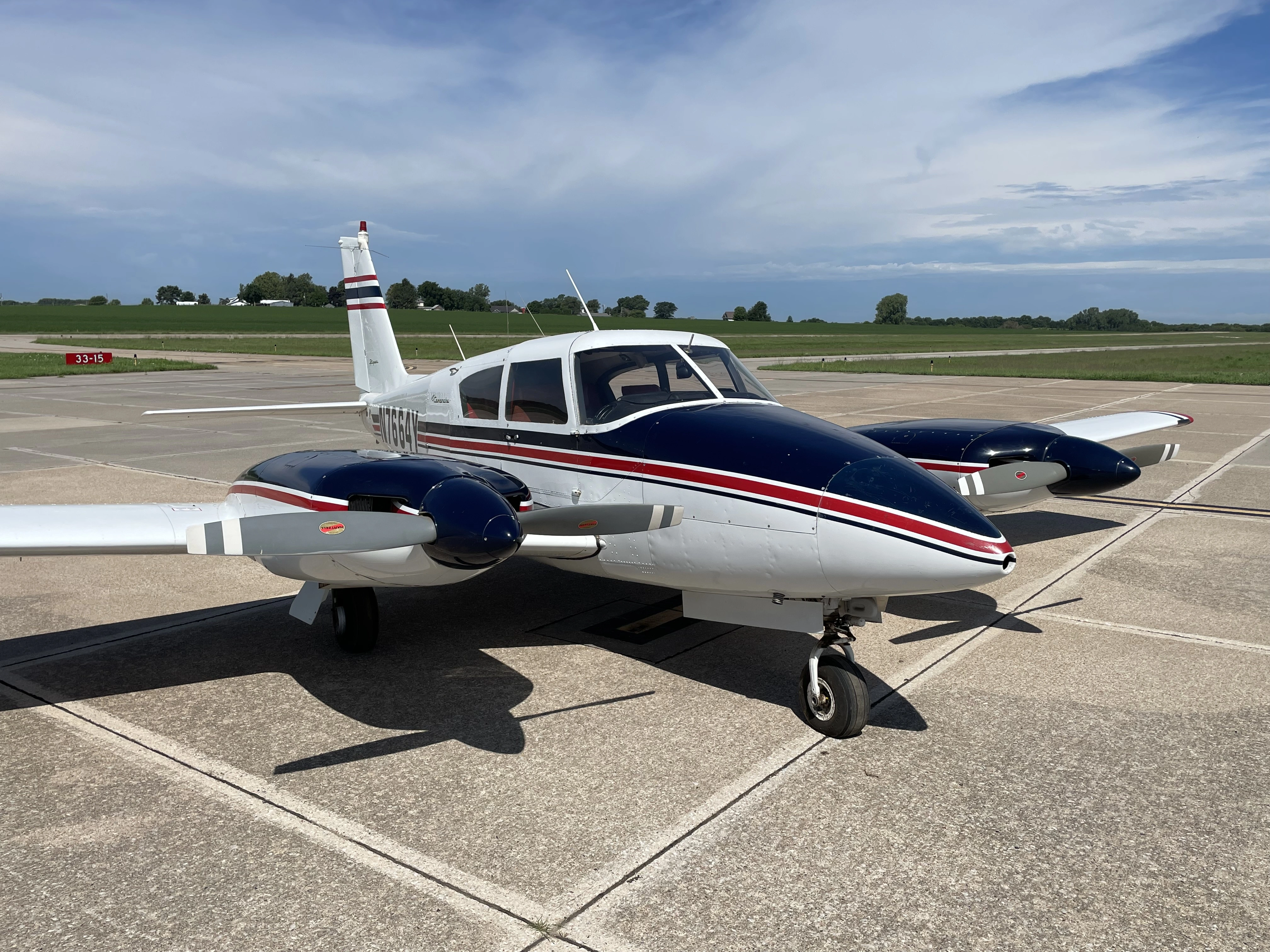
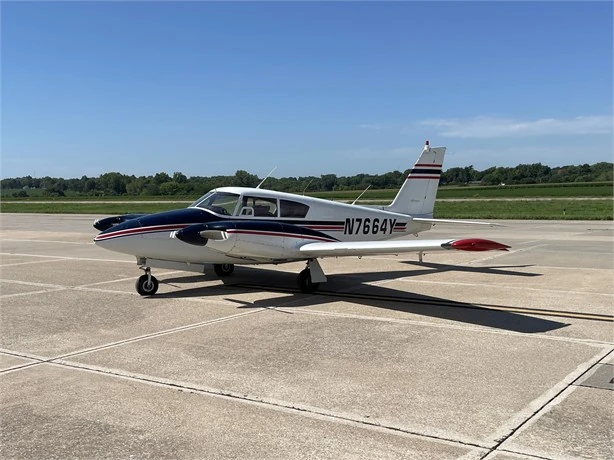
The short answer: a multi-engine rating is worth considering if you want to move toward career-track flying, advanced aircraft, or future ATP/R-ATP airplane multiengine privileges. It is not a magic career shortcut. It is a focused add-on rating that teaches you how to manage two engines, more complex systems, and one-engine-inoperative procedures. At Summit Flight Academy in Lee’s Summit, the program is designed as a focused multi-engine path using a Piper PA-30 Twin Comanche.
What a Multi-Engine Rating Actually Adds
A multi-engine rating is not a separate pilot license. It is an additional aircraft class rating added to your existing pilot certificate. In plain English, you are adding privileges to fly airplanes with more than one engine after completing the required training, instructor endorsement, and practical test.
For a deeper look at the add-on path, read our Part 61 multi-engine rating requirements guide.
That matters because the training changes the way you think. In single-engine flying, engine failure planning is direct: if the engine quits, you manage glide, landing site, checklist, and communication. In multi-engine flying, one engine may still be producing power while the other is not. That creates asymmetric thrust, which means the airplane can yaw and roll if you do not manage it correctly.
At Summit, multi-engine training is built around that shift. The Multi-Engine Rating program covers ground instruction, simulator sessions, and flight training in the PA-30 Twin Comanche. You study multi-engine aerodynamics, aircraft systems, Vmc awareness, engine-out procedures, and practical-test tasks.
The point is not to collect another line on your certificate. The point is to build a new set of habits before you fly aircraft where power, performance, and decision-making are less forgiving.
What It Costs Near Kansas City in 2026
The strongest way to compare multi engine training near me options is not to ask for one simple price. Ask what is included, what is not included, and what happens if you need more time.
At Summit, the Multi-Engine Rating program currently starts at $4,950. Your package includes up to 8.5 hours of flight time in the Piper Twin Comanche, simulator time, instructor services including checkride prep, non-owned insurance, and optional continuation toward MEI training. Confirm current pricing before you enroll, because aircraft, fuel, insurance, instructor time, and examiner costs can change.
| Cost item | What to ask before you enroll |
|---|---|
| Multi-Engine Rating package | Is the current starting price still $4,950, and what exact items are included? |
| Aircraft time | How many Twin Comanche hours are included, and what happens if you need extra time? |
| Instructor and simulator time | How much ground, simulator, and checkride prep time is included? |
| Examiner fee | Is the DPE or practical-test fee included, or paid separately? |
| Travel and lodging | If you are not local, what should you budget for hotel, meals, and transportation? |
| Financing | Can your program be packaged for a financing option through Summit’s Financing resources? |
Do not rely on a generic Kansas City average unless a school can show you what that number includes. A cheaper quote can become more expensive if it leaves out instructor time, insurance, examiner fees, or extra training. A higher quote may be more useful if it gives you better schedule structure and fewer unknowns.
What the Training Timeline Looks Like
Summit’s multi-engine course is designed as a 7-day intensive program. That does not mean every pilot finishes in exactly seven days. Weather, maintenance, aircraft availability, student readiness, and Designated Pilot Examiner scheduling can affect the final timeline.
That difference matters. A serious school should help you plan for the target schedule and the schedule risks. If you are taking time off work, traveling from outside Kansas City, or trying to fit training between other ratings, you need the real picture before you commit.
Here is the basic training flow you can expect at Summit:
| Training phase | What you should expect |
|---|---|
| Ground and simulator foundation | Multi-engine aerodynamics, PA-30 systems, performance, Vmc awareness, and emergency procedures. |
| First flights | Normal operations, aircraft handling, climbs, maneuvers, and the first layer of single-engine procedures. |
| Emergency operations | Engine failures, engine-out procedures, single-engine performance, and checklist discipline. |
| Practical-test prep | Mock oral work, mock flight review, paperwork, endorsements, and checkride readiness. |
| Practical test | Oral exam and flight test with a DPE when the student, aircraft, weather, and scheduling are ready. |
If you are comparing local options, ask whether the school has a clear syllabus or just a loose promise. Summit also offers multi-engine training resources that help pilots prepare before showing up for the course.

Is It Worth It for a Career-Track Pilot?
For many career-track pilots, a multi-engine rating is a practical next step because professional flying often moves beyond single-engine aircraft. It can support a path through Commercial Pilot Training, Instructor Training, MEI preparation, charter, corporate, or airline-track goals.
The key is to keep the claim honest: a multi-engine rating does not create R-ATP eligibility by itself. Restricted ATP eligibility depends on separate FAA requirements, such as qualifying military experience or graduation from an authorized aviation degree program. Multi-engine training is still relevant because ATP and many professional airplane paths involve multiengine privileges, but the rating alone does not lower your required flight hours or guarantee a job.
Use this table to decide whether the timing makes sense:
| Your situation | How the multi-engine rating fits |
|---|---|
| You are building a full Career Track plan | It can become part of a staged path after single-engine certificates and ratings. |
| You are finishing Commercial Pilot Training | It may help you prepare for professional paths that require or prefer multi-engine experience. |
| You want to become a multi-engine instructor | The rating is a step before possible MEI training through Instructor Training. |
| You only fly recreationally | It may still be valuable, but the cost and urgency need a clearer personal reason. |
| You think it will guarantee airline hiring | It will not. Treat it as a training milestone, not an employment promise. |
If your main goal is an airline path, read Summit’s R-ATP and ATP certification guide after this article. That topic deserves its own research because ATP, R-ATP, and ATP CTP are separate from the multi-engine add-on itself.
Why Training Locally Can Matter
Some pilots travel for accelerated multi-engine training. That can work, but it adds pressure. You may need hotel nights, transportation, time away from work, and backup plans if weather or maintenance pushes the schedule.
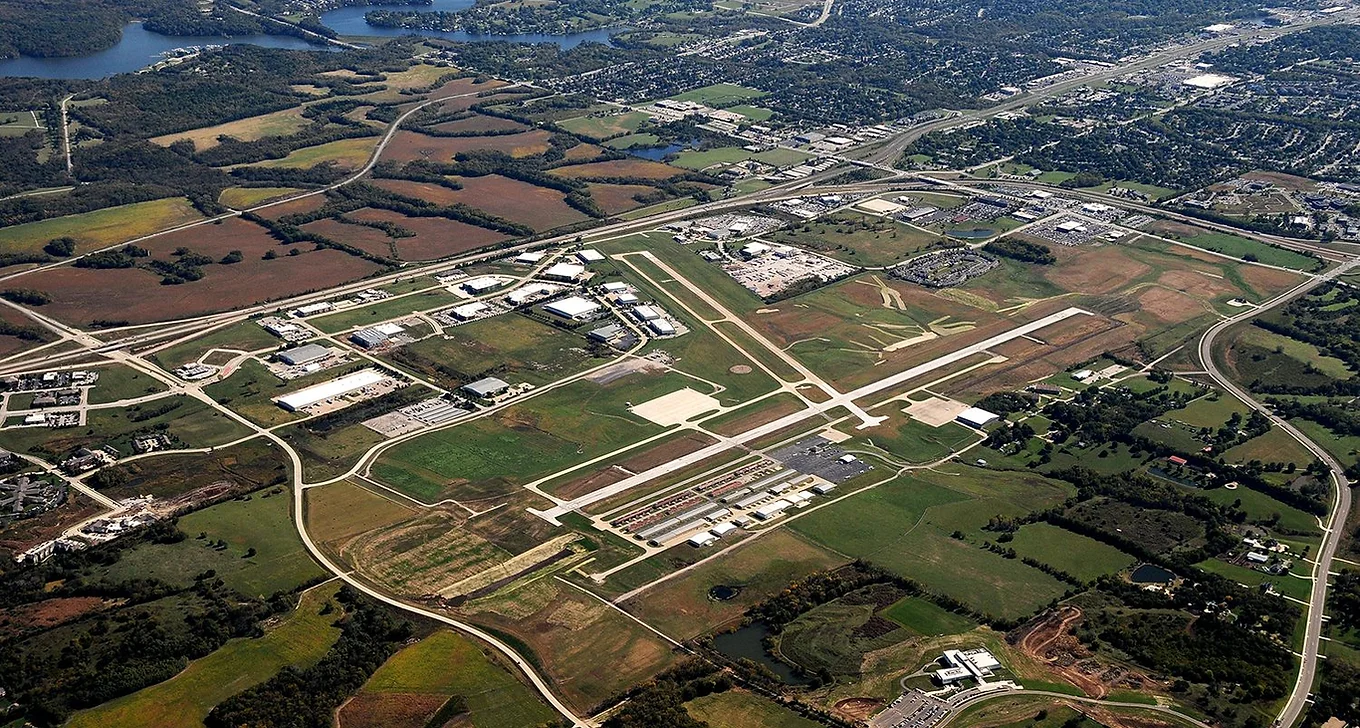
For Kansas City-area pilots, training locally at Lee’s Summit Airport can reduce that friction. You can stay closer to home, keep a familiar routine, and work with a local school that also offers other program paths. That does not automatically make local training cheaper. It makes the total cost easier to understand because you can see the travel, lodging, and time-away variables before you decide.
Local training can also help if multi-engine is one step in a longer plan. A pilot moving from Commercial Pilot Training into multi-engine or instructor work may prefer a school that understands the full sequence instead of treating the add-on as a one-off transaction.
If you are traveling into Kansas City for Summit’s intensive program, ask about current lodging options before booking. Do not assume hotel discounts or travel arrangements are active until Summit confirms them.
How to Compare Multi-Engine Schools Near You
A good comparison should go beyond price and aircraft type. You are buying a short, high-workload training block. The details matter.
Before you choose a generic multi engine flight training near me option, ask these questions:
- Does the school explain whether you are adding a rating to a certificate, not getting a separate license?
- What aircraft will you train in, and is it dedicated to dual instruction or also used for rental?
- Is the schedule built around a clear syllabus?
- What happens if weather, maintenance, student readiness, or DPE scheduling delays the checkride?
- Does the price include aircraft time, simulator time, instructor services, checkride prep, insurance, and examiner fees?
- Can the school support your next step after the rating, such as Career Track planning or Instructor Training?
- Are Financing options available if you need to package this with other training?
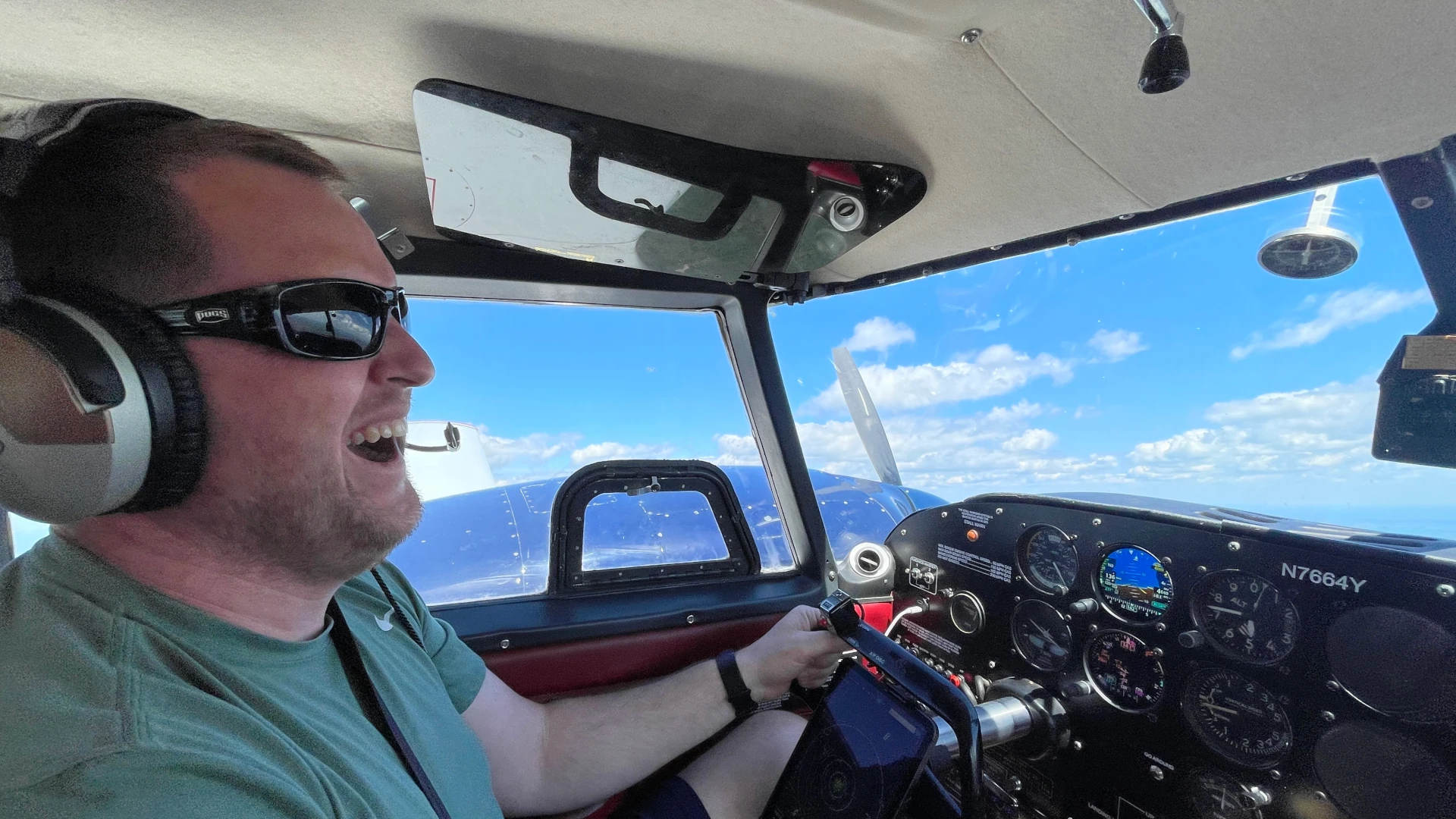
At Summit, the PA-30 Twin Comanche is listed as dual instructor only, with no solo rental. That is useful to know because the aircraft is positioned as a training platform, not a casual rental option.
FAQ: Multi-Engine Rating Near Kansas City
Do I need a private pilot certificate before multi-engine training?
For Summit’s Multi-Engine Rating program, you should already hold a current Private Pilot Certificate with an Airplane Single-Engine Land rating. If your certificate path is different, ask the team to review your situation before scheduling.
Do I need an instrument rating first?
At Summit, an instrument rating is recommended but not required for multi-engine training. That recommendation makes sense for many career-track pilots because instrument skills often support later Commercial Pilot Training and professional flying goals.
How long does the rating take?
Summit’s course is designed as a 7-day intensive program, but actual completion can vary. Weather, aircraft availability, maintenance, student readiness, and examiner scheduling can affect the final date. Review Summit’s multi-engine training resources before you plan travel.
Is the $4,950 starting price the full cost?
Treat it as a starting package price and confirm current details with Summit. Ask whether extra aircraft time, DPE fees, travel, lodging, or other items are separate. If cost is a concern, review Financing early.
Does a multi-engine rating help with R-ATP?
It can support an airline-track training plan, but it does not create R-ATP eligibility by itself. R-ATP has separate FAA requirements. For broader context, read Summit’s R-ATP and ATP guide.
Can I rent Summit’s Twin Comanche after training?
At Summit, the Piper Twin Comanche is positioned for dual instruction rather than solo rental. Contact us about post-rating training, MEI continuation, or advanced dual instruction options through the Multi-Engine Rating program.
Ready to Compare Your Multi-Engine Path?
If you are serious about adding multi-engine privileges, do not choose only by the nearest airport or the lowest number on a price line. Choose the school that can explain the aircraft, syllabus, schedule risk, cost variables, and next step after the checkride.
Start with Summit’s Multi-Engine Rating program, then confirm pricing, prerequisites, schedule, and checkride planning before you reserve your training window near Kansas City.