
New Law Expands 529 Plans to Cover Flight Training Costs
Published by:
Summit Flight Academy Team
Published on:
Updated on:
Read time:
7 min read
For many aspiring aviators, the cost of flight training has long been one of the biggest hurdles on the path to becoming a pilot. Fortunately, a major change is on the horizon. Beginning August 2025, students will be able to use 529 education savings plans to pay for qualified flight training programs at approved Part 61 and Part 141 flight schools.
This new federal law (Section 70414) expands the use of 529 funds beyond traditional college degrees , now including postsecondary credentialing such as pilot training. That means tuition, fees, books, and even equipment needed for flight programs may qualify for payment through your 529 plan.
Let’s break down what this means for future pilots and how you can take advantage of it.
What the New 529 Law Covers
The updated law broadens what’s considered a qualified educational expense under 529 plans. For pilot training, that includes:
Tuition and Fees
Covers the cost of flight instruction and ground school courses necessary for your certification.
Books and Supplies
Includes required materials like training manuals, charts, headsets, and study aids.
Equipment
Necessary tools and devices for your training program , such as flight bags, logbooks, or flight planning software.
FAA Exams & Check Rides
Fees for written exams, practical tests, and check rides , all essential parts of earning your pilot certificates and ratings.
How to Use Your 529 Funds for Flight Training
If you plan to fund your aviation education through a 529 plan, here’s what you’ll need to do:
-
Contact Your 529 Plan Administrator
Every plan has specific requirements for using funds. Your administrator can confirm eligible expenses and outline the withdrawal process. -
Verify School Eligibility
Make sure your chosen flight school is recognized as a qualified institution under the new law. Both Part 141 and certain Part 61 schools may qualify. -
Understand What’s Covered
Keep clear records of your flight training expenses to ensure they fall within qualified categories. Non-qualified withdrawals may still trigger taxes or penalties. -
Follow Withdrawal Instructions
Your plan administrator will guide you through initiating a distribution. This ensures your payments are correctly processed and reported for educational use.
Why This Change Matters for Future Pilots
This legislation represents a major win for aviation students nationwide. Before the update, 529 funds could only be used at accredited higher education institutions , leaving pilot training programs largely ineligible.
Now, the expanded definition of postsecondary credentialing acknowledges the professional and technical nature of pilot training. It opens the door for thousands of aspiring aviators to access funds that were previously locked away, making the dream of flight more attainable.
A More Accessible Path to the Skies
At Summit Flight Academy, we’re excited to see the government recognize the importance of aviation careers and the high-level education they require.
Whether you’re starting your private pilot license (PPL), advancing to an instrument rating, or pursuing a commercial pilot certificate, this new 529 flexibility can significantly reduce your financial burden and help you stay focused on what truly matters , becoming a safe, skilled, and confident pilot.
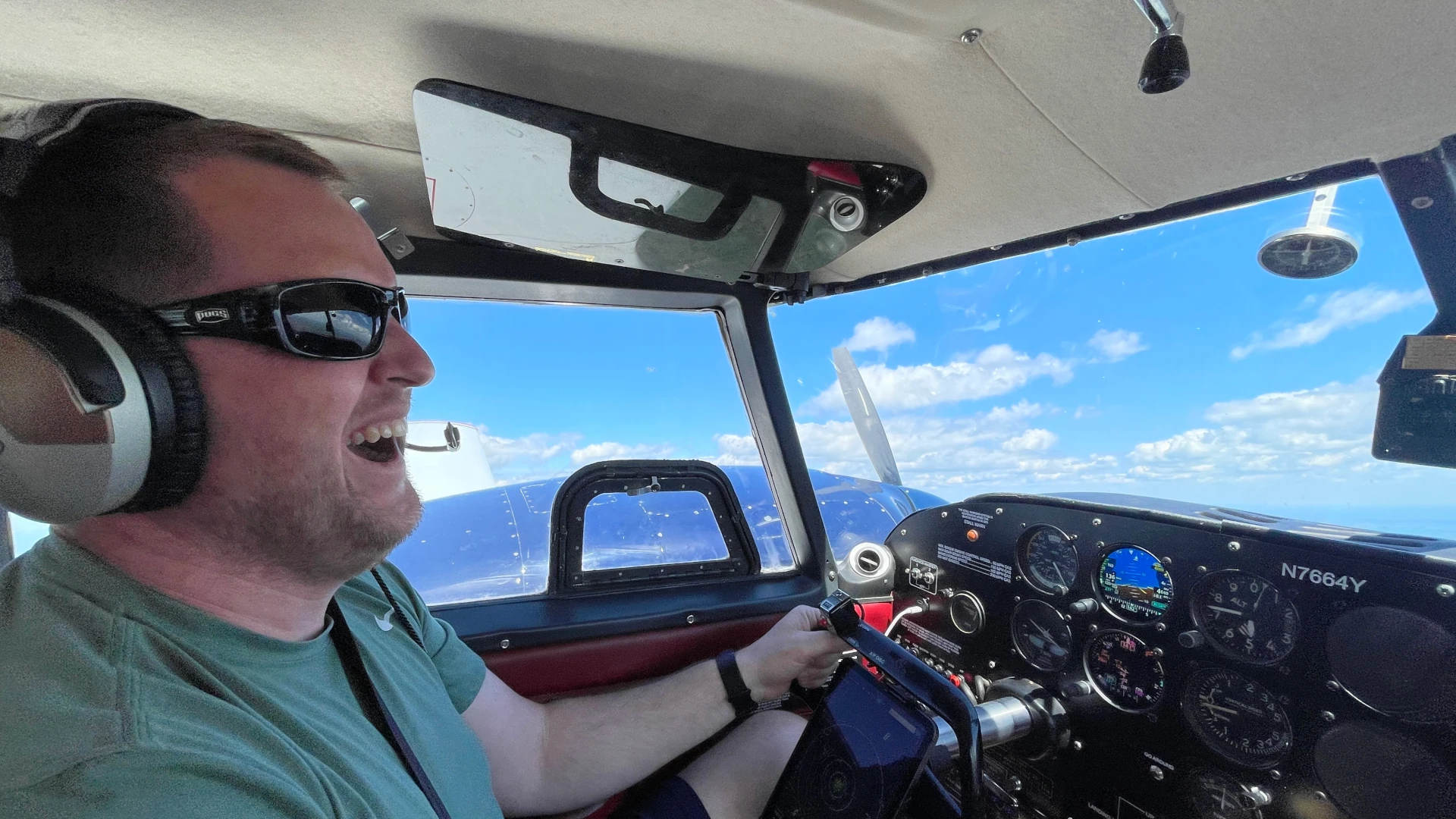 Training for your dreams just got more accessible with the 2025 529 expansion.
If you’d like help understanding whether your flight training program qualifies, contact your 529 plan administrator or reach out to Summit Flight Academy. Our team can guide you through enrollment and connect you with resources to make your aviation journey smoother and more affordable.
The sky isn’t the limit anymore , it’s your next classroom.


-certified-flight-instructor-summit-flight-academy-lees-summit-pilot-training.jpg)