How to Choose the Best Flight School: A Beginner's 2026 Checklist
Published by:
Summit Flight Academy Team
Published on:
Updated on:
Read time:
8 min read
When you search for the best flight schools for beginners, you are usually looking for more than a list of nearby airports. You are trying to make a serious life decision about where to invest your time, budget, and trust. Walking onto an unfamiliar ramp for your first preflight inspection can feel intimidating, especially when every academy promises state-of-the-art aircraft and rapid completion timelines.
Choosing the wrong training environment leads to stalled momentum, unexpected maintenance delays, and thousands of dollars in surprise fees. Finding the right flight school means finding a dedicated team, transparent hourly billing, and reliable aircraft that keep your training consistent from your very first dual lesson to your practical checkride.
Look Beyond the Shiny Marketing
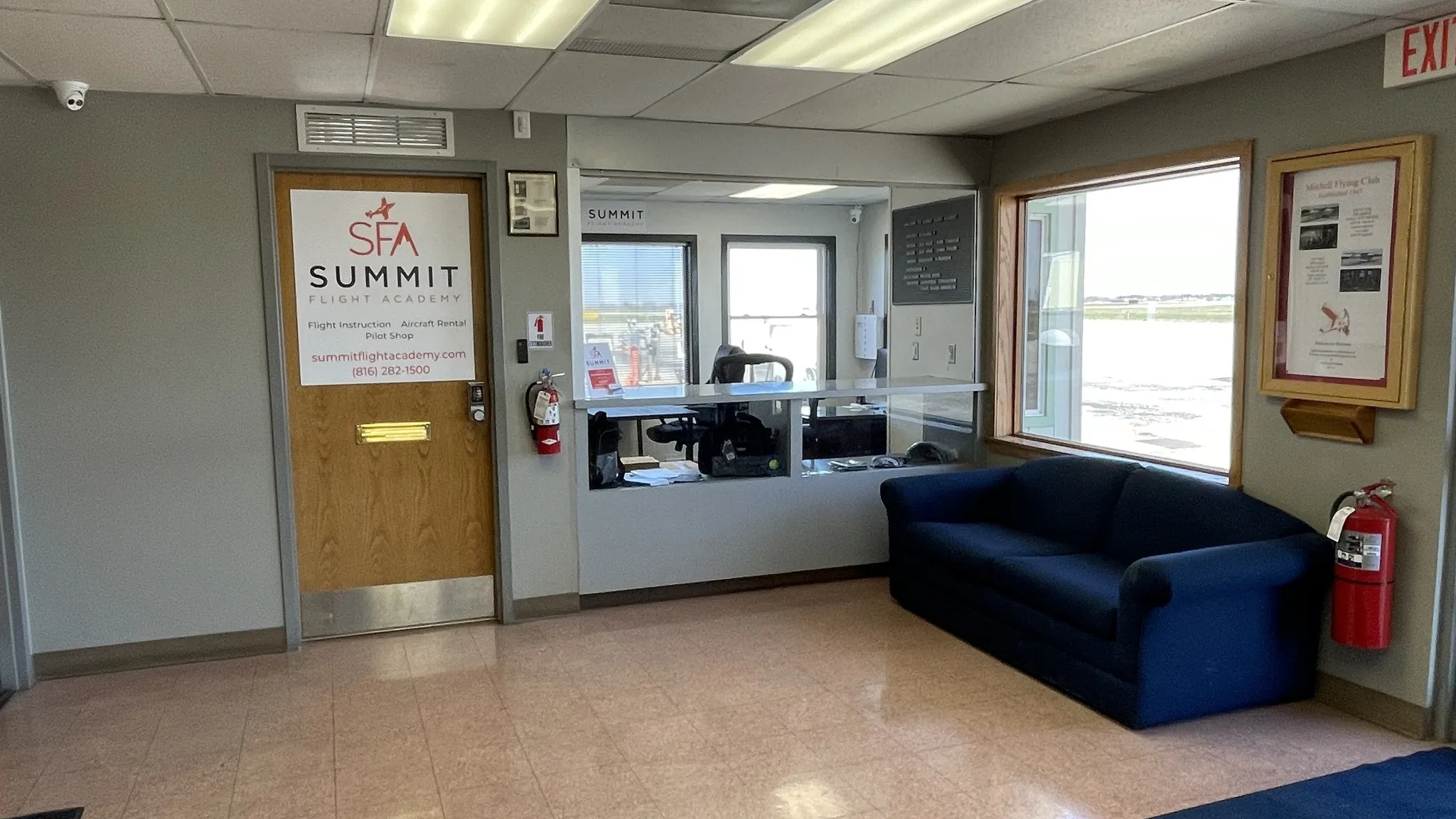
Every flight school has glossy photos of airplanes banking into the sunset. When you compare local academies, look at how the operation functions day to day. A reliable school welcomes you into the hangar, introduces you to active instructors, and shows you their maintenance tracking boards without hesitation.
Start your evaluation with these core structural pillars:
- Aircraft Availability: Are there enough training planes in the fleet to support active students, or are booking calendars backlogged three weeks out?
- Instructor Roster Stability: Do instructors stick with their students, or does high staff turnover force you to start over with someone new every month?
- Airspace Efficiency: Is the training base located at a calm, towered or non-towered regional airport where you spend your engine time flying, or at a congested commercial hub where you burn fuel waiting in departure lines?
- Syllabus Structure: Does the school teach from a clear Part 61 or Part 141 syllabus with defined milestones, or is each flight improvised?
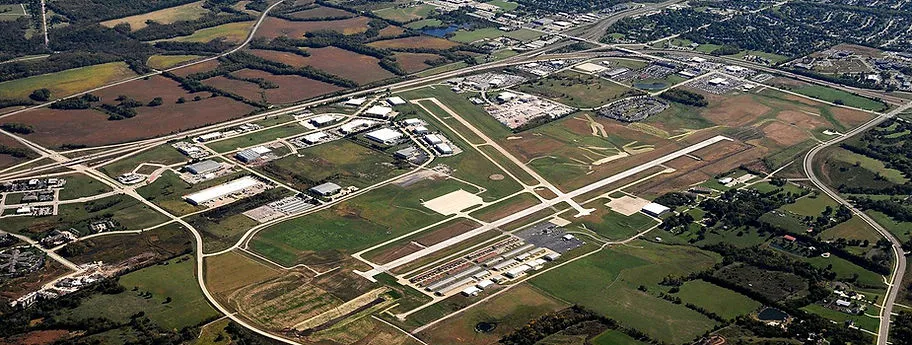
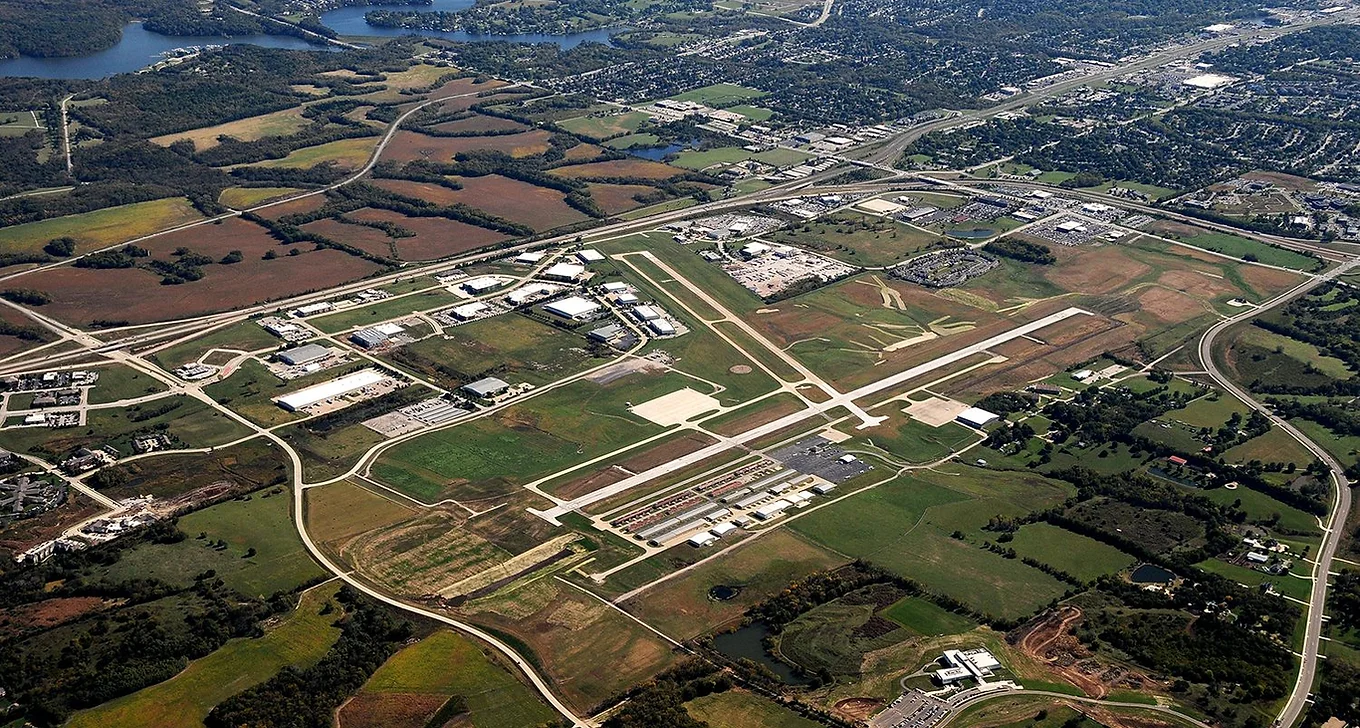
At Summit Flight Academy, we operate out of Lee’s Summit Municipal Airport (KLXT) in the Kansas City area. Having two full-length concrete runways and uncongested airspace means our students taxi straight to the runway and spend their paid flight time learning maneuvers rather than idling on congested taxiways.
Verify Aircraft Maintenance and Fleet Health
Your safety and training momentum depend entirely on aircraft reliability. When training airplanes sit grounded waiting for outside parts, your lessons get cancelled and your flying proficiency fades.
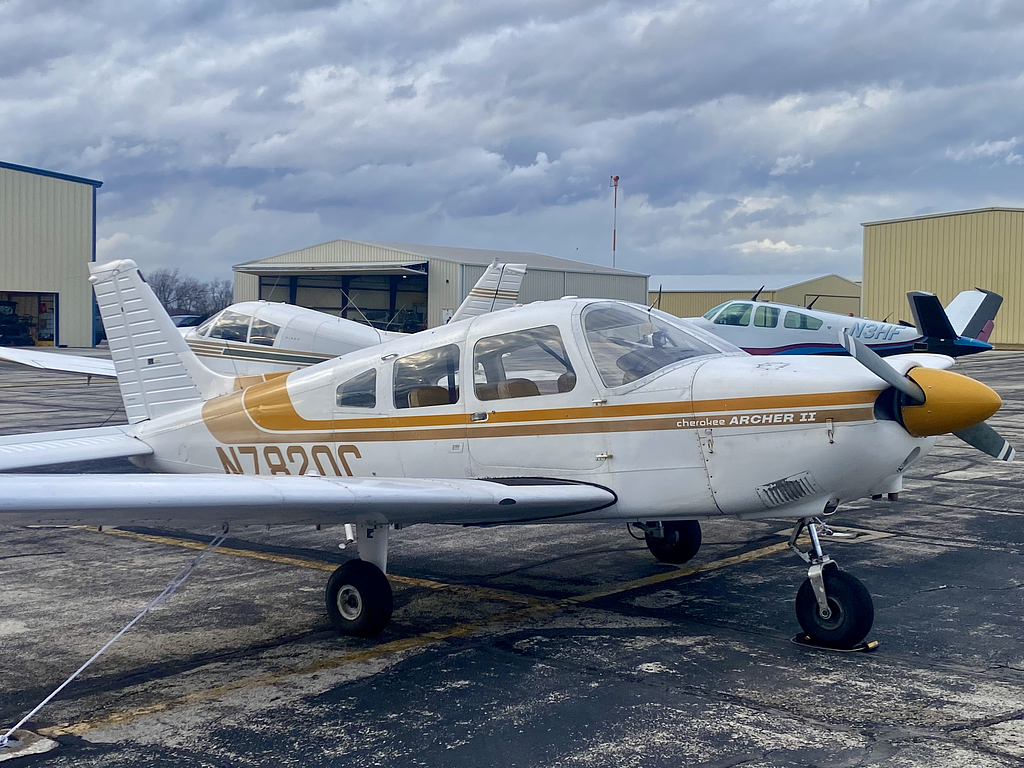
Ask whether the school manages maintenance in-house or relies on third-party shops with long wait times. At Summit, our fleet maintenance is overseen directly by co-founder and licensed Airframe and Powerplant (A&P) mechanic Levi Self. Having dedicated maintenance oversight and a heated private hangar keeps our Piper PA-28 fleet flight-ready throughout cold Midwest winter mornings and hot summer afternoons.
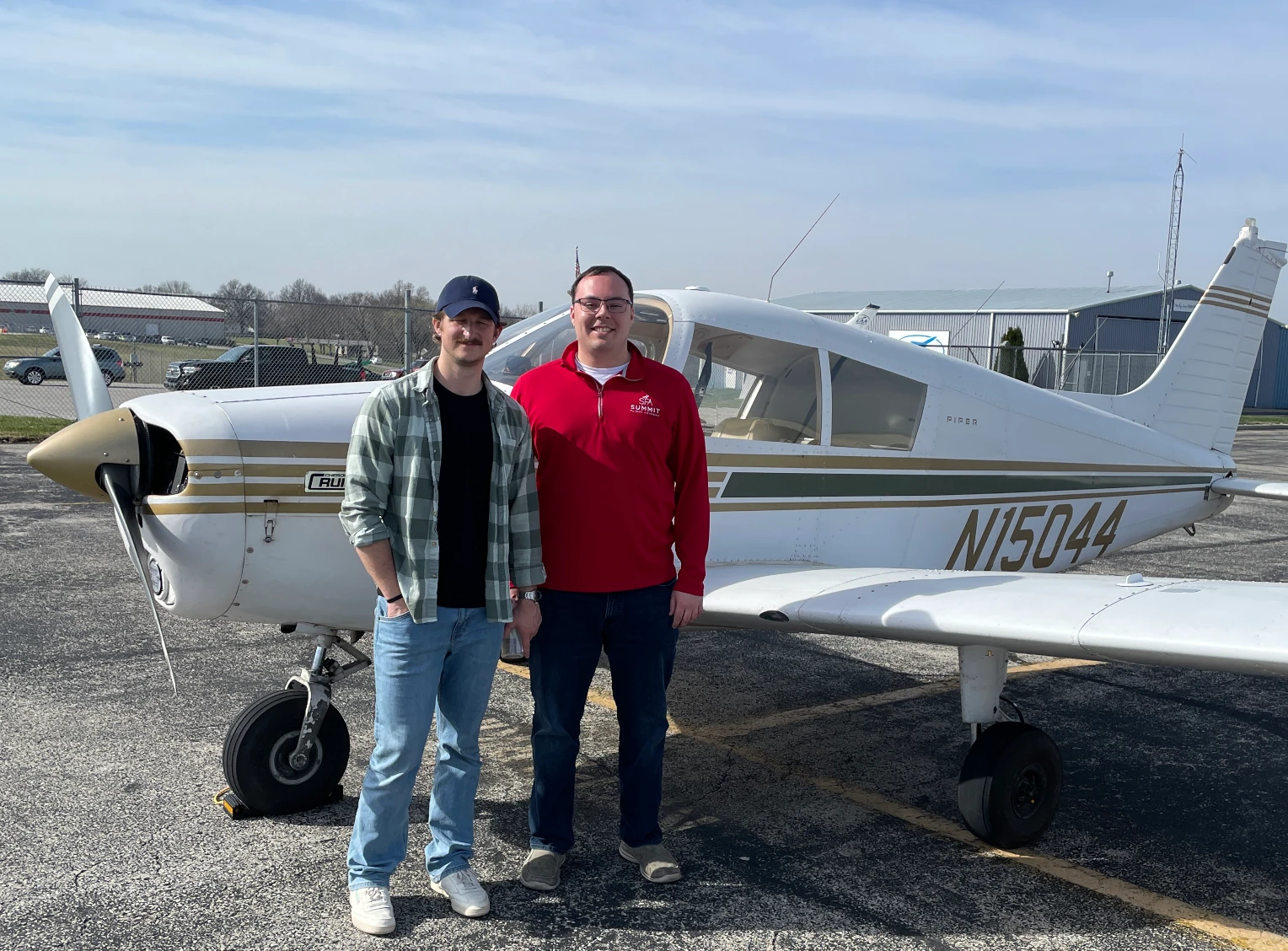
Inspect the cockpits when you visit. While you do not need full digital glass cockpits to earn your initial certificate, clean instrument panels, working avionics, and well-maintained interiors reflect a culture of safety. If you want to see our training equipment up close, browse our fleet to see how our Piper Archer and Cherokee aircraft are outfitted.
Compare Training Programs and Syllabus Flexibility
Different flight schools specialize in different pilot goals. Large commercial academies often push students into accelerated 7-day-a-week tracks that require you to quit your job. Flexible community flight schools allow you to train on mornings, weekends, or evenings around your existing career and family life.
Here is how foundational training programs compare when you start researching options:
| Program | Best For | Typical Schedule | Key Milestone |
|---|---|---|---|
| Discovery Flight | Beginners testing their interest | 1 introductory session | First hands-on flight experience |
| Private Pilot Training | Foundational certification for all pilots | 2–3 sessions per week | First solo and FAA checkride |
| Instrument Rating | Flying safely in clouds and low visibility | 2–3 sessions per week | Navigating solely by instruments |
| Commercial Pilot Training | Flying professionally for compensation | Tailored time-building schedule | Complex maneuvers and precision flying |
| Multi-Engine Rating | Advanced twin-engine aircraft operations | Accelerated 1–2 week course | Asymmetric thrust and engine-out procedures |
If you are beginning your research, our complete list of training programs outlines the exact aeronautical requirements and prerequisites for each certificate.
Demand Total Pricing Transparency
Unclear pricing is the single biggest frustration for new flight students. Some schools advertise the bare legal minimum of 40 flight hours to make quotes look cheap, omitting essential expenses like instructor ground briefings, fuel surcharges, headsets, and examiner test fees.
Federal regulations under 14 CFR Part 61 set the minimum experience at 40 hours, but realistic national averages sit closer to 55 to 70 flight hours because mastering crosswind landings, emergency procedures, and cross-country navigation takes deliberate practice. When vetting a school, ask for a line-item cost breakdown covering:
- Aircraft Rental Rates: Are hourly aircraft rates quoted “wet” (fuel included) or “dry”?
- Instruction Fees: Are pre-flight briefings and post-flight debriefings billed separately?
- Payment Terms: Can you pay as you fly per lesson, or does the school demand an upfront cash deposit of $15,000 or more?
- Financing Availability: Does the school work with established aviation financing partners?
We believe students should never be trapped by rigid financial contracts. We offer clear hourly billing alongside structured packages. If you need financial flexibility to support regular training flights, review our flight training financing guide to explore financing options like Stratus Financial that help you spread training costs into predictable monthly payments. You can also explore answers to common budget questions in our flight school FAQs.
Schedule an In-Person Visit and Discovery Flight
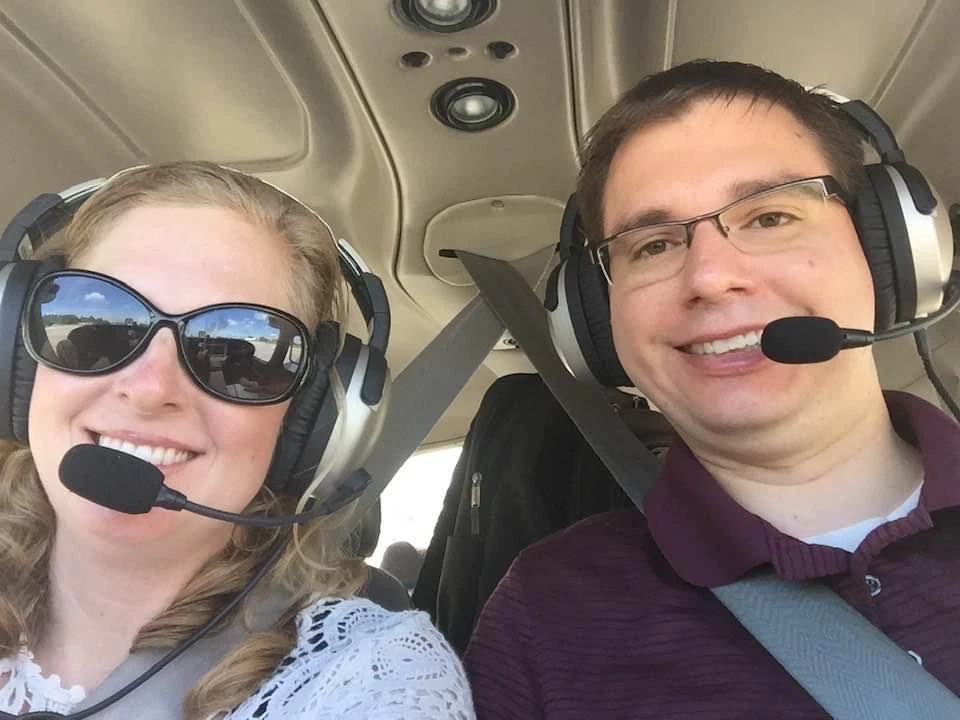
No amount of online research replaces standing in the hangar, shaking hands with the instructors, and sitting in the cockpit. Before you enroll in any full ground school or certificate course, schedule an introductory lesson.
A discovery flight is a structured introductory flight lesson that lets you take the controls with an FAA-certificated flight instructor right beside you. You will taxi out, assist with takeoff, fly across the local practice area, and experience what learning to fly actually feels like.
If you are ready to evaluate our facility, instructors, and fleet in person, book your discovery flight today and take your first step toward earning your wings.