The Cheapest Way to Become a Pilot: Your 2026 Cost-Saving Guide
Published by:
Summit Flight Academy Team
Published on:
Updated on:
Read time:
10 min read
Flight training is a major financial commitment, and it’s completely normal to stress about the cost. But you don’t have to empty your bank account to earn your wings. There are smart, strategic ways to make the process more affordable. Here at Summit Flight Academy, we want to help you find the cheapest way to become a pilot, without ever compromising on safety or the quality of your instruction. It just takes a little bit of planning.
The Average Cost of a Private Pilot License
Nationally, earning a Private Pilot License (PPL) typically runs between $15,000 and $20,000. Keep in mind, that’s just the first step if you’re aiming for a professional career, which requires a much larger investment. Ultimately, your final price tag depends on a few key variables: the type of license you want, the flight school’s hourly rates, the aircraft you train in, and, most importantly, how consistently you train. Your lesson frequency truly changes everything when it comes to the final bill.
Factors That Influence Your Total Cost
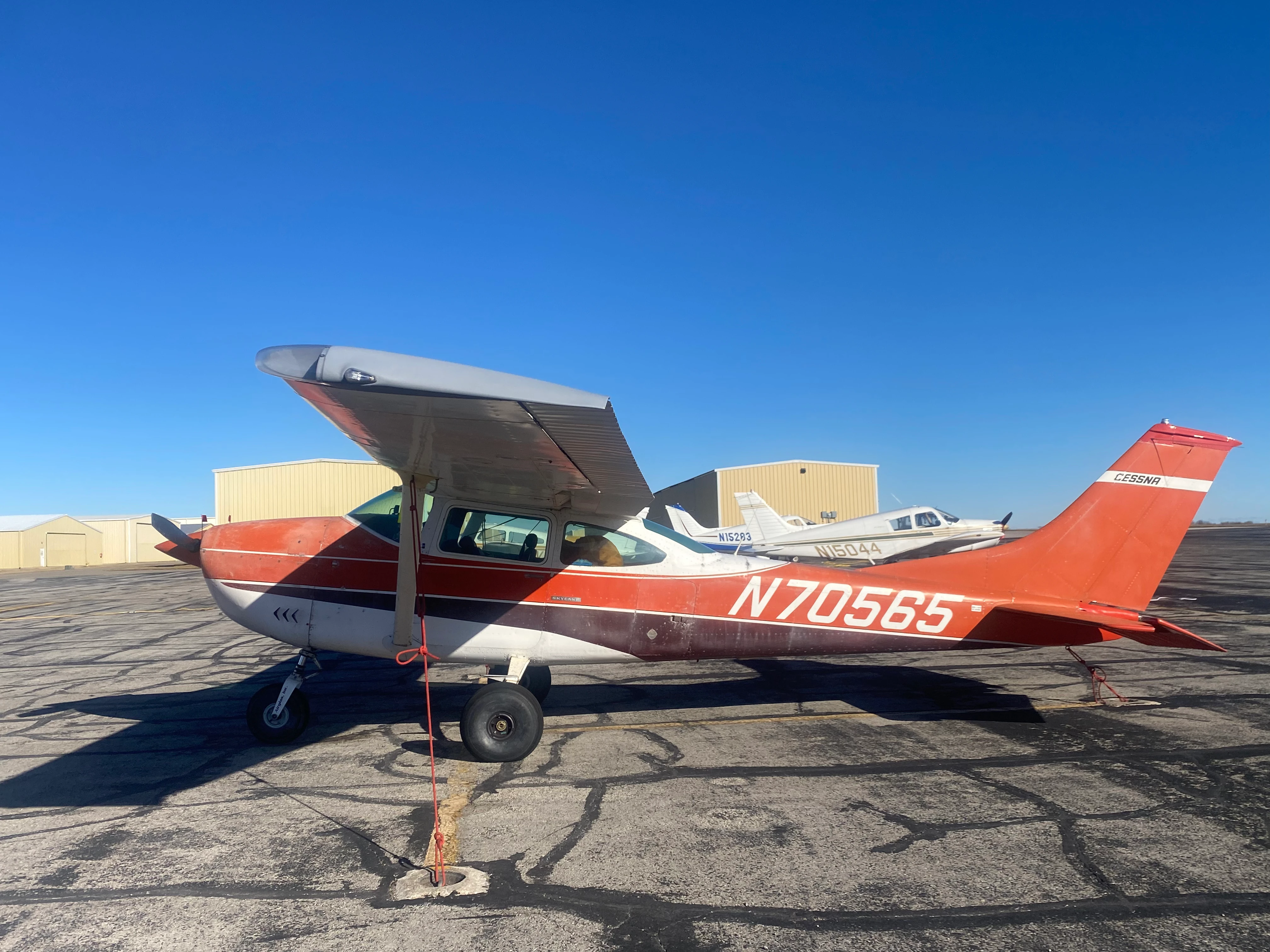
Your personal approach to training will heavily dictate your final costs. Flying two to three times a week is the sweet spot for retaining what you learn. Better retention means fewer repeat lessons, which is arguably the best way to keep costs down. The aircraft you choose also plays a role; advanced or newer planes cost more per hour but offer fantastic experience. Another huge factor? Showing up prepared. If you do your assigned reading and study before you arrive, your time with your instructor will be much more efficient.
Finally, don’t forget that aviation financing or 529 savings plans can help make the financial burden much more manageable over time.
Strategy 1: Commit to a Consistent Flight Schedule
When it comes to flight training, frequency directly equals savings. Flying two to three times per week is the ideal cadence for retaining muscle memory and aviation knowledge. If you take weeks or months between lessons, you will inevitably spend extra flight hours re-learning maneuvers you have already practiced, inflating your overall bill. Training consistently keeps your flight time closer to the FAA 40-hour minimum and prevents unnecessary budget creep.
Strategy 2: Maximize Ground School and Simulator Training
Efficiency outside the airplane translates directly into dollars saved. Mastering aeronautical theory on your own significantly reduces the amount of one-on-one ground instruction you have to pay a certified flight instructor (CFI) for. Quality online ground school courses are a fraction of the cost of in-person tutoring.
Additionally, take full advantage of aviation training devices. At Summit Flight Academy, we utilize Redbird full-motion simulators. Simulator time is significantly cheaper per hour than renting an actual airplane and fuel, and the FAA allows you to log simulator time toward your rating requirements. Part 61 flight schools like Summit offer the scheduling flexibility to integrate simulator work seamlessly into your training.
Strategy 3: Smart Funding and Financial Planning
Knowing how to fund your training makes a world of difference. As of August 2025, you can now use funds from a 529 education savings plan to pay for qualified flight training, giving you some excellent tax advantages. There are also specialized aviation lenders, like Stratus Financial and Flight Training Finance, that offer flight school loans designed specifically to help career-track students spread out their costs.
Don’t forget to check with your employer! Many companies (like Garmin) offer tuition reimbursement programs for employees earning their pilot certificates, which can cover a huge chunk of your expenses. Finally, ask your flight school about block rates. Buying 10 or more hours of flight time upfront can often lower your hourly rental rate.
Strategy 4: Build Hours Wisely for Career Progression
If you’re aiming for the airlines, you’re going to need a lot of flight hours. Building that time strategically is key to saving money. Once you have your Private Pilot Certificate, you can act as a safety pilot for another pilot who is practicing flying by instruments. You both get to log Pilot-in-Command (PIC) time, and you can split the cost of the aircraft rental right down the middle.
Ultimately, becoming a Certified Flight Instructor (CFI) is the most common and cost-effective way to hit the 1,500 hours required for an Airline Transport Pilot (ATP) certificate. Instead of paying to fly, you get paid to teach. For those serious about this path, our Zero-to-Hero Career Track keeps your momentum going so you can push straight through your ratings and start earning a paycheck as a CFI as quickly as possible.
How to Get an Exact Quote
If you want to know exactly what it will cost you, the best move is to talk directly with our admissions team. They will look at your specific goals, availability, and budget to build a customized training plan. If you’re still on the fence, booking a Discovery Flight is a fantastic first step. You’ll get to sit in the pilot’s seat and actually fly the plane with an instructor before committing to a full program.
Ready to Start Your Journey Affordably?
Don’t let the sticker shock keep you on the ground. Reach out to us today for a personalized quote. We’ll help you map out a clear, realistic financial plan to get you in the air safely and efficiently.