What to Expect in Ground School and Flight Training
Published by:
Summit Flight Academy Team
Published on:
Updated on:
Read time:
8 min read
When people search for flight classes near Kansas City, they often picture traditional college lecture halls or rigid semester schedules. You might wonder whether you have to spend six months memorizing textbooks before ever climbing into a cockpit, or if you can start flying airplanes right away. If you have a busy work week and family commitments, figuring out how classes fit into your life is your biggest hurdle.
In real-world pilot training, learning to fly is split into two complementary halves: ground school and dual flight instruction. Rather than sitting in a classroom for months before touching the controls, you learn theory and practical airmanship side by side. Exploring local flight training near you lets you see how textbook aerodynamics, weather charts, and radio procedures immediately come to life in the sky.
-certified-flight-instructor-summit-flight-academy-lees-summit-pilot-training.jpg)
Understand How Ground School and In-Air Training Connect
Ground school provides the foundational knowledge that keeps you safe and confident as pilot-in-command. It teaches you why the aircraft behaves the way it does, how to interpret airspace boundaries, and how to make sound go/no-go weather decisions.
Under Federal Aviation Administration (FAA) Part 61 guidelines, ground classes are flexible:
- Self-Paced Online Ground School: Modern digital courses (such as Sporty’s, King Schools, or Gleim) allow you to watch video lessons, review interactive diagrams, and take practice FAA written exams from home on your tablet or computer.
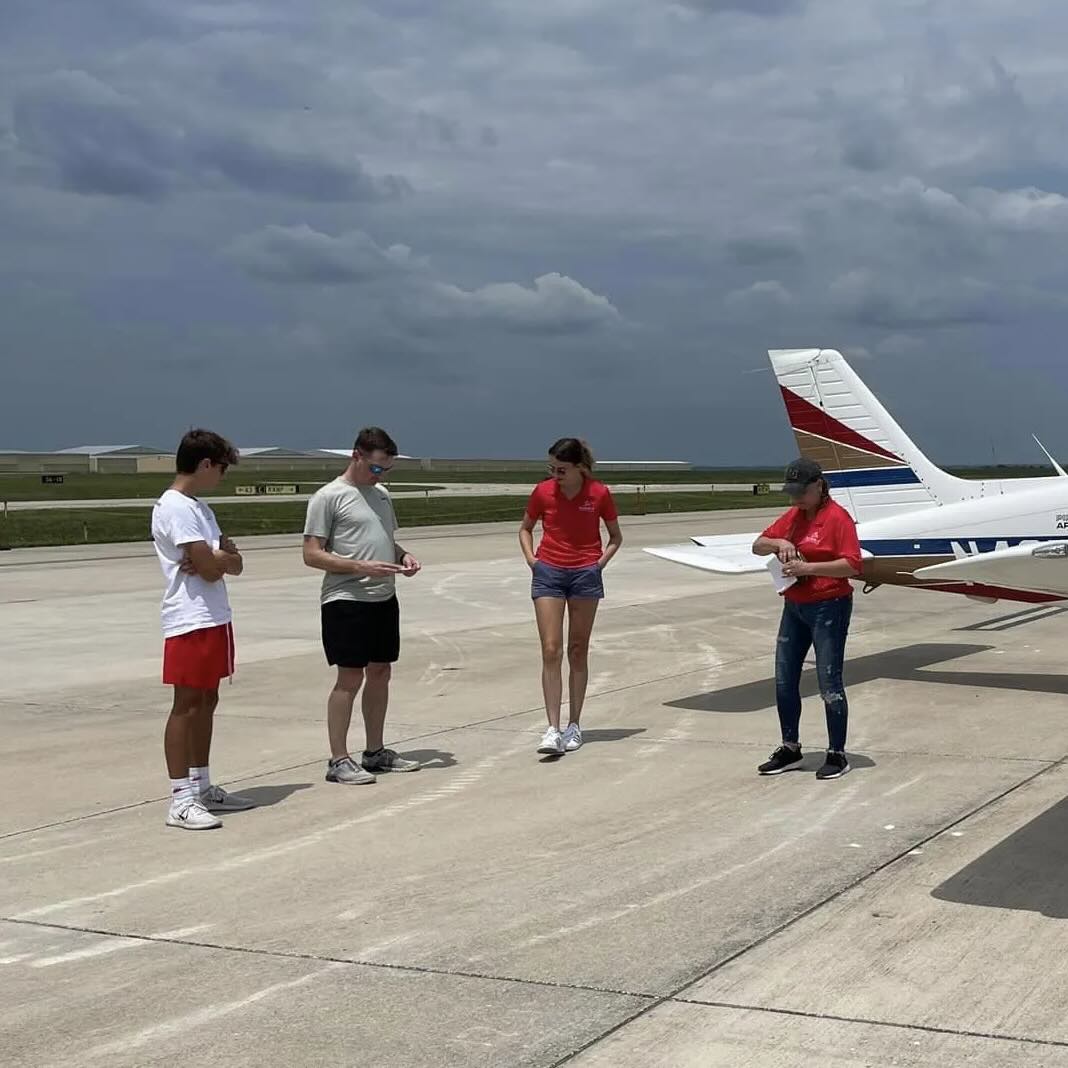
- One-on-One Instructor Briefings: Before and after every flight, you sit down with your certified flight instructor (CFI) for dedicated ground instruction. You brief the day’s flight objectives, review airport diagrams, calculate weight and balance, and debrief what went well and what to refine.
- FAA Knowledge Exam Prep: Toward the midpoint of your training, you will take the official 60-question computer-based FAA Private Pilot Knowledge Test at an approved testing center.
At Summit Flight Academy, our instructors work closely with your study plan. If a tricky topic like cross-country fuel planning or airspace classifications feels confusing in the textbook, we walk through real-world examples right in the hangar before your next flight.
Experience Your First 10 Flight Hours in the Cockpit
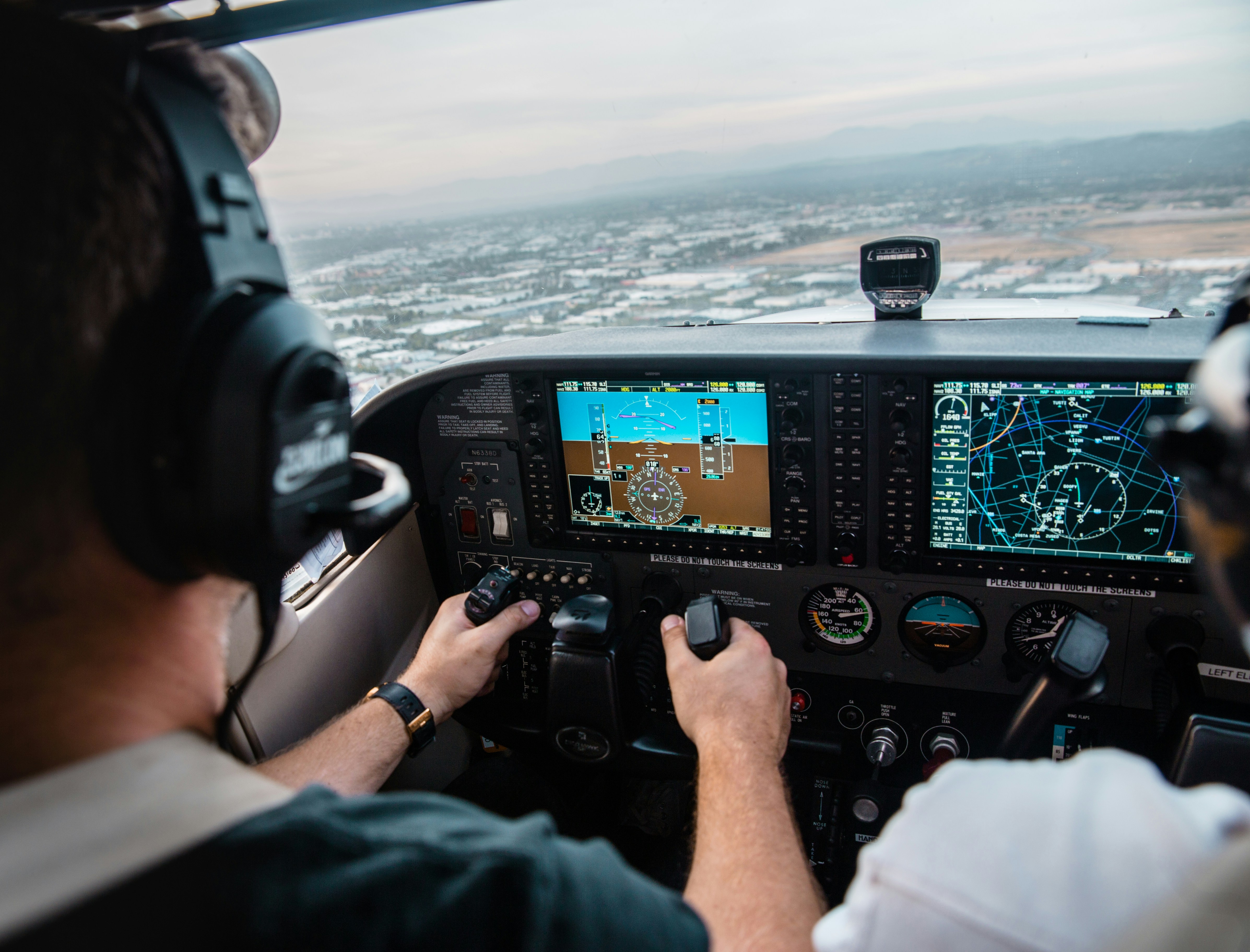
Nothing builds confidence faster than getting into the airplane. During your initial flight lessons, your instructor handles radio communications and complex tasks while guiding you through foundational flight fundamentals.
Here is what you master during your first 10 flight hours:
- Preflight Inspections: Learning how to walk around the airplane, check fuel quality, inspect control surfaces, and verify engine oil levels.
- Taxiing and Ground Operations: Steering with your feet using rudder pedals and managing braking on the airport ramp and taxiways.
- Four Fundamentals of Flight: Trimming for straight-and-level flight, climbing at recommended airspeeds, descending safely, and making coordinated medium-bank turns.
- Slow Flight and Stall Recoveries: Feeling how aircraft controls soften at slow airspeeds and practicing immediate, instinctual recovery procedures.
- Airport Traffic Patterns: Flying structured rectangles around the runway, managing descent rates, and nailing stable approaches to landing.
If you are curious how these early hours fit into the full certification timeline, our Private Pilot Training curriculum breaks down every milestone from your first lesson through your practical checkride.
Compare Course Options Across Aviation Certificates
Flight classes are not one-size-fits-all. Depending on whether you want to fly recreationally on sunny weekends or transition into a professional aviation career, your curriculum path will differ.
Here is an overview of popular training courses and how they are structured:
| Program | Classroom & Study Focus | Flight Hours Required | Primary Privileges |
|---|---|---|---|
| Discovery Flight | Basic cockpit layout & preflight overview | 0.5–1.0 hour | Hands-on introductory flight experience |
| Private Pilot Training | Navigation, weather, airspace & federal regulations | 40 hours FAA minimum | Flying single-engine aircraft carrying passengers |
| Instrument Rating | IFR flight planning, instrument approaches & ATC | 40 hours actual or simulated IFR | Flying through clouds and low-visibility weather |
| Commercial Pilot Training | Commercial operations, advanced systems & high performance | 250 hours total aeronautical experience | Flying aircraft for commercial compensation |
If you are exploring which starting point fits your background best, check our complete list of training programs or read our beginner guide for new to flying candidates.
Manage Your Schedule, Budget, and Financing
One of the greatest benefits of local Part 61 training is scheduling freedom. You are not forced to follow a rigid semester calendar. You book flight slots that fit your lifestyle, early mornings before work, lunch hours, or weekends.
Flying two to three times per week is the ideal rhythm. It keeps lessons fresh in your muscle memory, shortens your total training calendar, and saves you money by reducing the need for repeat reviews.
We also believe in complete financial transparency. You can pay as you fly lesson by lesson, avoiding massive upfront cash commitments. If you want structured monthly payments, we partner with specialized lenders like Stratus Financial to offer competitive student loans. Review our flight training financing options or browse our flight school FAQs to learn more about budgeting for aircraft rental, fuel, and instructor time.
Take Your First Step with an Introductory Flight
You do not have to purchase expensive flight headsets, logbooks, or ground courses before you know if flying is right for you. The most practical way to begin is by experiencing an introductory flight lesson firsthand.
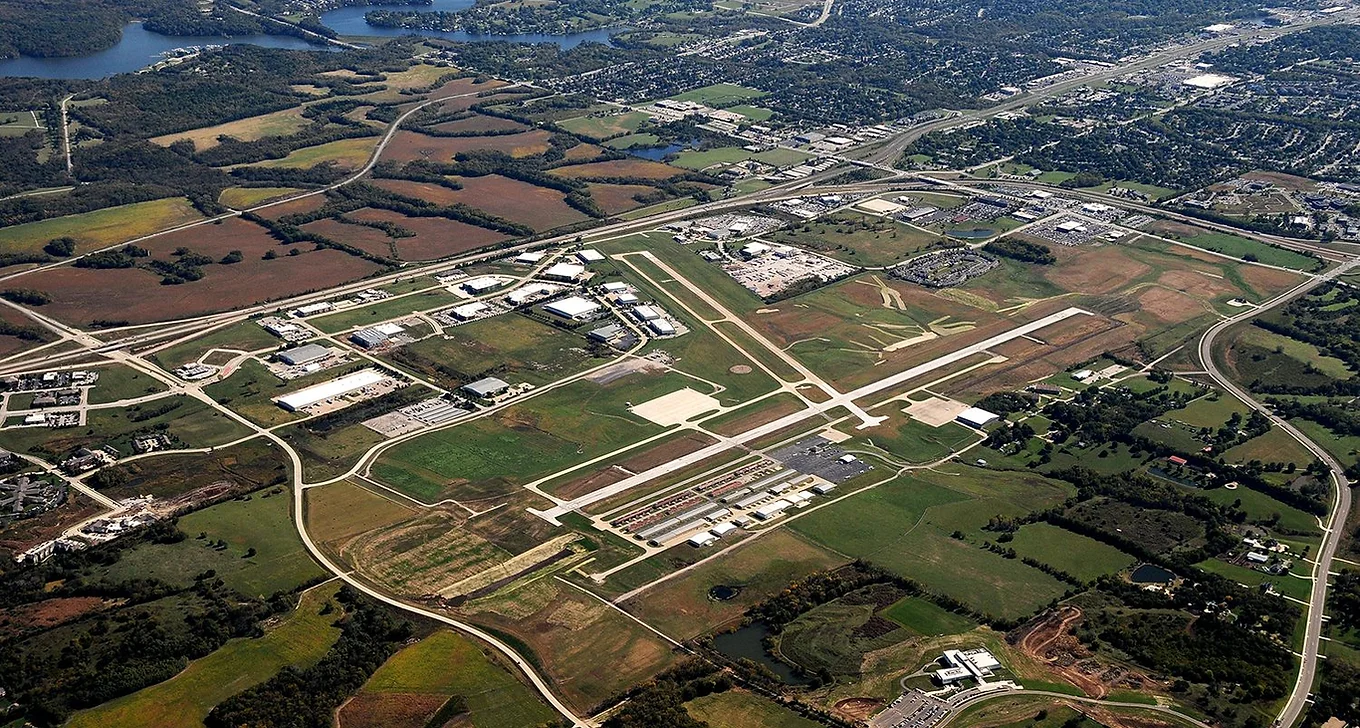
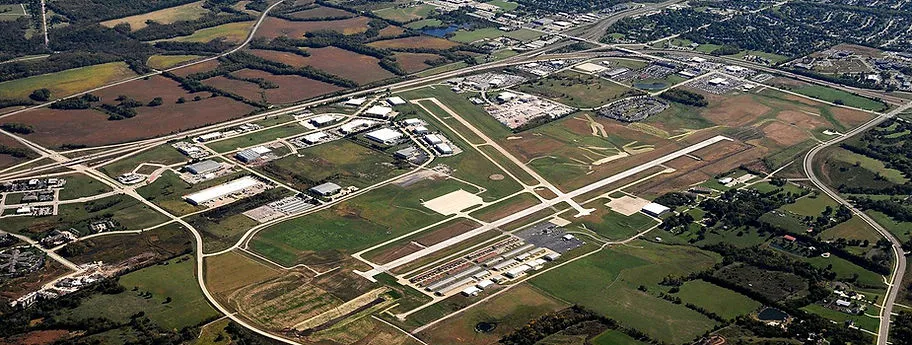
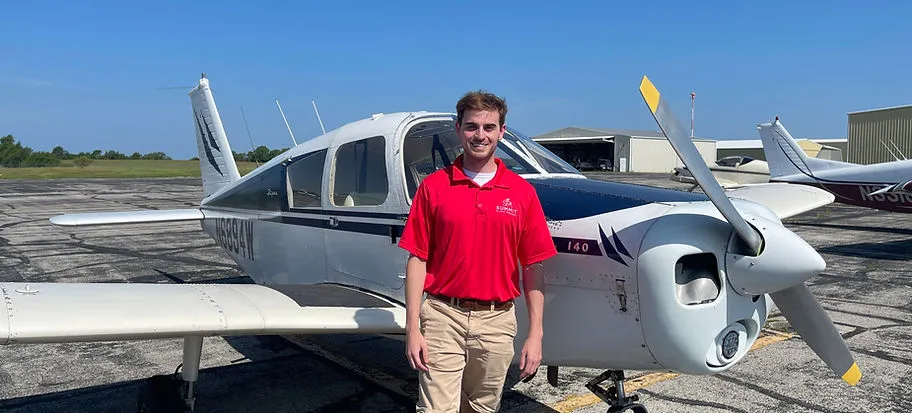
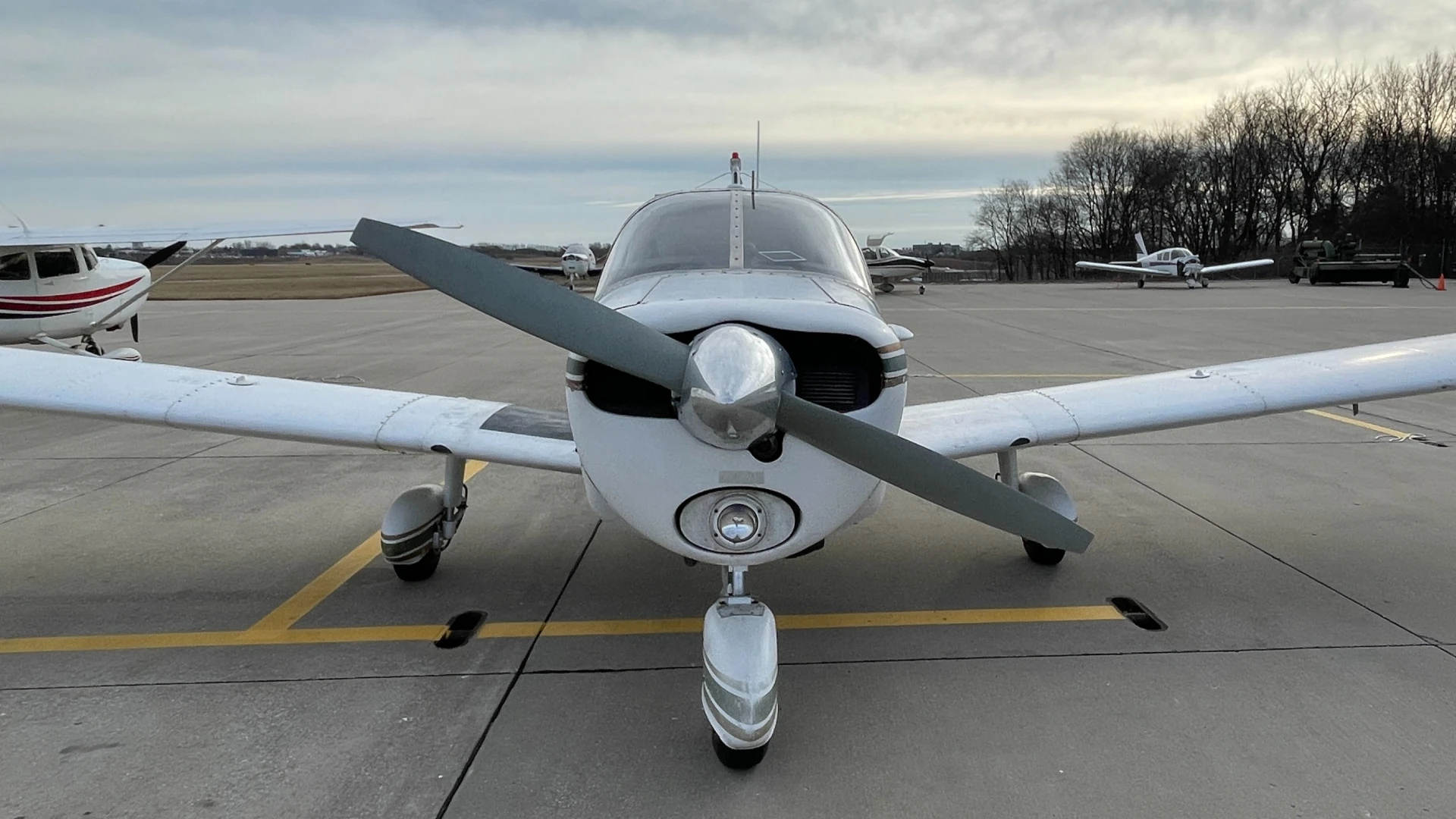
When you book a discovery flight, you sit in the pilot seat of one of our Piper training aircraft at Lee’s Summit Municipal Airport (KLXT), taxi out with an experienced instructor, and feel the excitement of taking the controls in flight.
Ready to see what flight classes feel like in person? Schedule your discovery flight today and start your journey into aviation.