Pilot Salary in Missouri: What You Can Earn in 2026
Published by:
Summit Flight Academy Team
Published on:
Updated on:
Read time:
8 min read
If you’re seriously thinking about flying for a living, you need to know what the paycheck actually looks like. Asking about a realistic pilot salary in Missouri isn’t just curiosity—it’s how you figure out if flight training is actually worth the financial investment.
At Summit Flight Academy, we don’t hide the ball. You need the full picture: what it costs to learn, and exactly what you stand to make once you’re sitting in the right seat. Here’s a look at what pilots are earning at every stage of the game right here in the Midwest.
The Career Ladder: From Instructor to Airline Captain
In aviation, your paycheck scales directly with your logbook. More hours, better ratings, and heavier airplanes mean bigger paychecks. It’s a highly structured industry, meaning your career path—and your pay raises—are surprisingly predictable.
1. Certified Flight Instructor (CFI)
- Typical Salary in Missouri: $30,000 - $50,000 per year
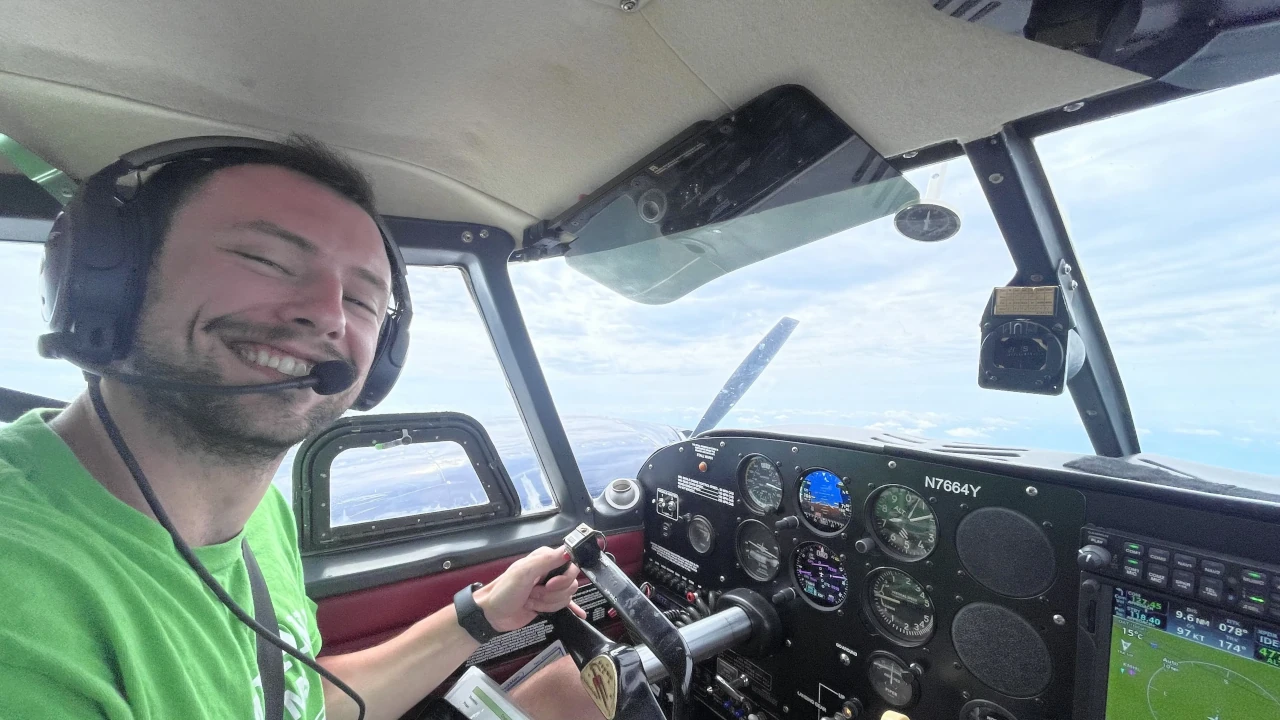
For almost every commercial pilot, this is step one. Working as a CFI is how you grind out the 1,500 flight hours the airlines demand, but the huge perk is that you finally get paid to fly instead of paying for aircraft rental. If you’re hustling full-time at a busy Missouri flight school, you can expect to hit the higher end of that pay scale. Most pilots spend about 18 to 24 months in this phase.
2. Regional Airline First Officer
- Typical Starting Salary: $50,000 - $75,000 per year
Once you hit that magic 1,500-hour mark and earn your Airline Transport Pilot (ATP) certificate, the regional airlines come calling. Thanks to the massive, ongoing pilot shortage, starting pay for first officers has skyrocketed in recent years. This is your first real taste of the airline world, flying regional jets like the Embraer E175 or Bombardier CRJ series.
3. Regional Airline Captain
- Typical Salary: $80,000 - $150,000 per year
Put in your time in the right seat, and you’ll upgrade to Captain. This jump comes with a massive pay bump, but also the ultimate responsibility for the jet, the crew, and everyone on board. Exactly what you make here depends heavily on your airline, your seniority, and how much extra flying you choose to pick up.
4. Major Airline Pilot (First Officer & Captain)
- Major Airline First Officer: $100,000 - $150,000+ per year
- Major Airline Captain: $250,000 - $400,000+ per year
This is the big leagues. Legacy carriers like Delta, United, and American pull their pilots directly from the regional airlines. Land a First Officer gig at a major, and you’re pulling in six figures on day one. Stick around long enough to become a senior Captain flying heavy international wide-bodies, and you’ll be maxing out the industry’s pay scales.
The Real ROI of Flight Training in Missouri
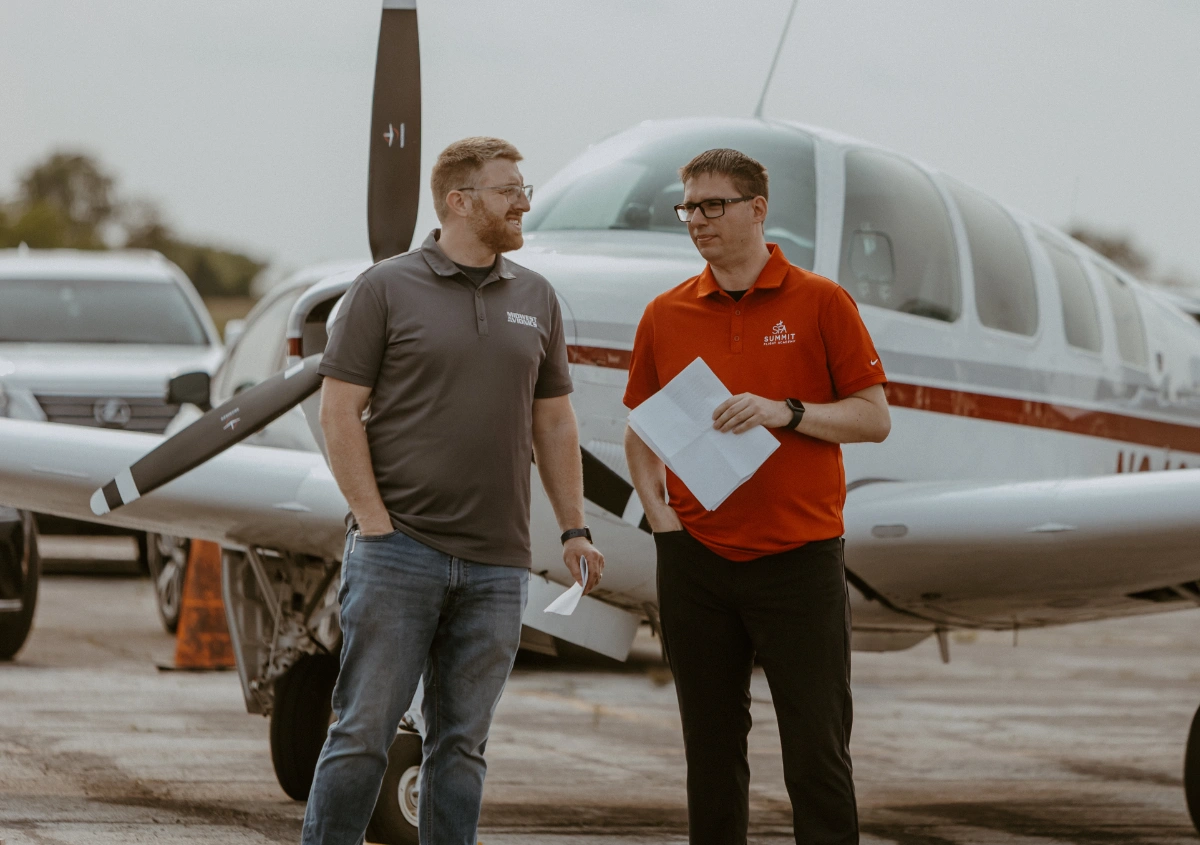
Flight training isn’t cheap—there’s no getting around that. But you have to weigh that upfront cost against these career numbers. A fast-paced, structured path like our Career Track is built to get you from zero hours to a paid flight instructor as fast as safely possible.
The math is pretty simple: the sooner you finish training, the sooner you start earning. Within three to five years of taking your first lesson, you could be sitting in an airline cockpit, pulling in a salary that quickly outpaces what you spent to get there. Want to see the hard numbers? We map it all out in our Flight Training Costs and Salaries guide.
What Else Impacts Your Paycheck?
- The Type of Flying: Airlines usually offer the biggest paychecks, but flying corporate jets, charter, or cargo can also be incredibly lucrative (often with much better schedules).
- The Metal: Simply put, larger and more complex aircraft pay more money.
- Seniority: In the airline world, your hire date dictates everything from your schedule to your hourly pay rate.
- Location: Your flight training happens in Missouri, but once you hit the airlines, your pay is based on your company’s union contract, not your zip code.
Start Your Aviation Career in the Show-Me State
Earning a six-figure pilot salary in Missouri is entirely doable, but it starts with getting the right training. You need a flight school that actually prepares you for the professional world, not just one that checks boxes. At Summit Flight Academy, our Part 61 programs give you the flexibility to train on your schedule, combined with the rigorous standards the airlines expect.
Ready to stop guessing and start planning? Drop our admissions team a line today. Let’s talk about your goals and map out exactly what it’ll take to get you there.
Missouri Pilot Salary FAQ
How long does it take to start earning a pilot salary in Missouri?
If you treat it like a full-time job through a program like our Career Track, you can usually land your first paid gig as a Certified Flight Instructor (CFI) in about 12 to 18 months.
Are pilot salaries in Missouri lower than in coastal states?
Not for airline pilots. While local flight instructor pay might vary slightly by city, airline salaries are locked in by contract. A pilot living in Kansas City makes the exact same hourly rate as a pilot living in Los Angeles if they fly for the same airline and have the same seniority.
Is there a high demand for pilots in Missouri?
Absolutely. The pilot shortage is a nationwide issue. Flight schools all over Missouri are constantly hiring new instructors, and regional airlines are aggressively recruiting out of Midwest training programs.
How can I finance my training to reach these salary levels?
Most students don’t pay entirely out of pocket. We work with specialized aviation lenders and can even help you use a 529 plan to cover your training. Head over to our Financing page for all the details.
-certified-flight-instructor-summit-flight-academy-lees-summit-pilot-training.jpg)