Multi-Engine Rating Requirements Under Part 61: 2026 Guide
Published by:
Summit Flight Academy Team
Published on:
Updated on:
Read time:
9 min read
If you are looking up multi-engine rating requirements under Part 61, you are likely past the “should I become a pilot?” stage. You already have flight experience, and now you want to know what stands between your current certificate and airplane multiengine privileges.
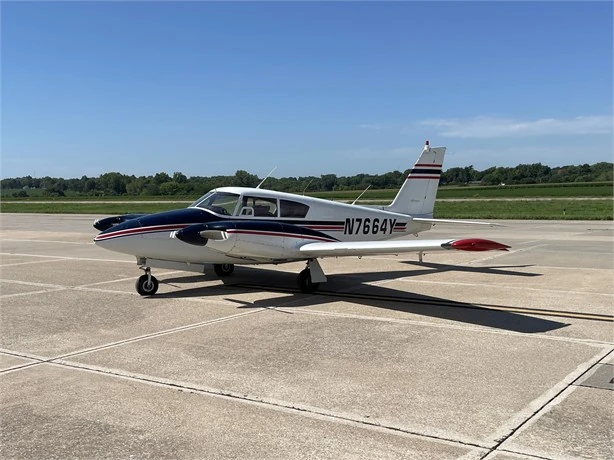
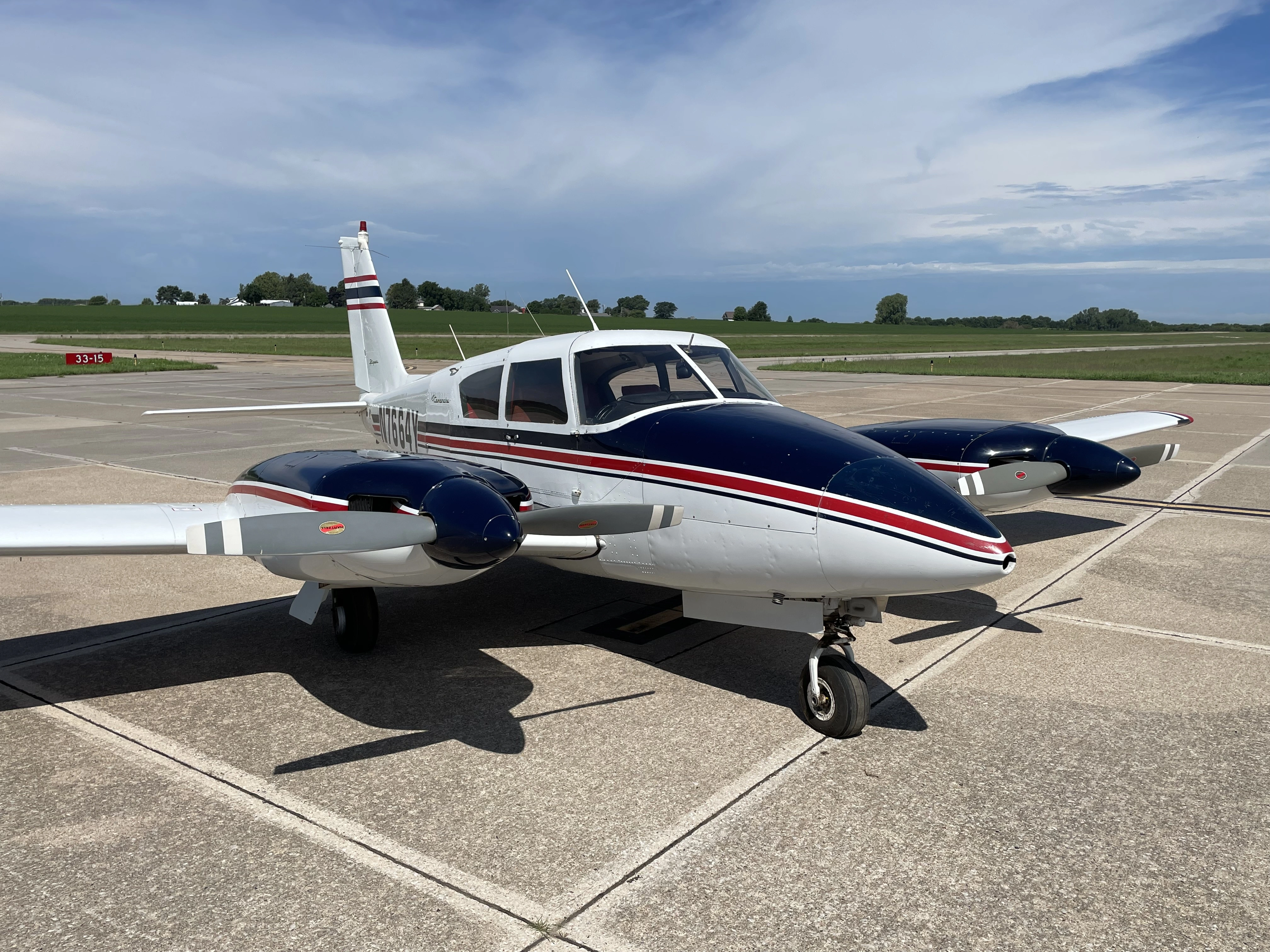
The short answer: a multi-engine rating is usually an aircraft class rating added to your existing pilot certificate. Under Part 61, the add-on path centers on instructor signoff, practical-test readiness, and the ability to handle multiengine operations safely. At Summit Flight Academy, we turn that requirement into a focused training window with ground instruction, simulator work, and Piper PA-30 Twin Comanche flight time.
Start With the Right FAA Mechanism
A multi-engine rating is not a separate pilot certificate. It is an added class rating, such as airplane multiengine land, placed on a certificate you already hold.
That distinction saves you from comparing the wrong requirements. You are not starting over from zero. You are proving that you can operate a different class of airplane with the right knowledge, risk management, and skill.
For an additional aircraft class rating, 14 CFR 61.63 says the applicant needs an authorized instructor endorsement showing competence and proficiency in the required areas, then must pass the practical test.
For many additional class rating applicants, Part 61 also does not create a new fixed training-hour minimum or a separate FAA knowledge test when the conditions in the rule apply. Do not translate that into “easy.” It means your instructor’s recommendation and your practical-test performance carry real weight.
If your goal is a full professional path, place this rating inside the larger sequence: private pilot training, instrument rating, commercial pilot training, instructor training, and advanced ratings.
Your Signoff Is Built on Proficiency, Not a Magic Hour
The add-on rating process can feel confusing because pilots often want one number: “How many hours do I need?” The better planning question is: What must you be able to do without your instructor rescuing the flight?
In multiengine training, your habits change. A single-engine power loss is one emergency pattern. A twin-engine airplane can keep one engine running while the other engine fails. That creates asymmetric thrust, which can pull the airplane away from coordinated flight if you are slow to recognize and correct it.
Your instructor is looking for calm, repeatable control. You need to understand systems, identify the failed engine, manage drag, respect Vmc, use the checklist, and make decisions before the airplane gets ahead of you.
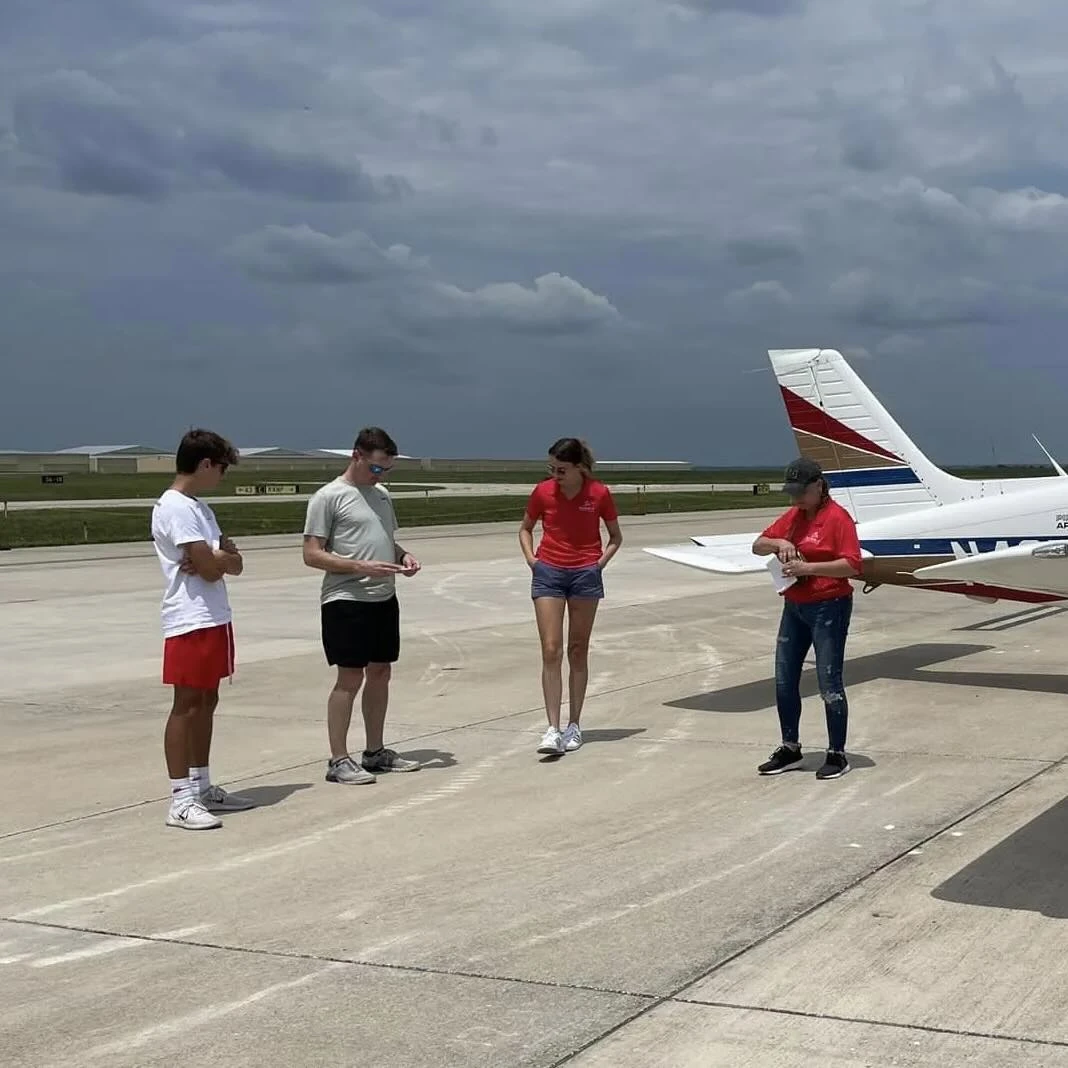
At Summit, the multi-engine training resource breaks the course into ground school, simulator sessions, flight lessons, emergency operations, ACS task integration, skill refinement, mock checkride, and checkride day. That structure helps you see progress before the practical test becomes a surprise.
The Practical Test Checks Twin-Engine Judgment
The practical test is where your training becomes visible. You should expect an oral portion and a flight portion. The examiner is not only checking whether you can recite terms. The test checks whether you can manage the airplane, the risk, and the workload.
For airplane multiengine private pilot standards, Part 61 points to areas such as preflight preparation, takeoffs and landings, performance maneuvers, navigation, slow flight and stalls, emergency operations, multiengine operations, night operations, and postflight procedures. Commercial multiengine standards include similar professional-level areas, including emergency operations and multiengine operations.
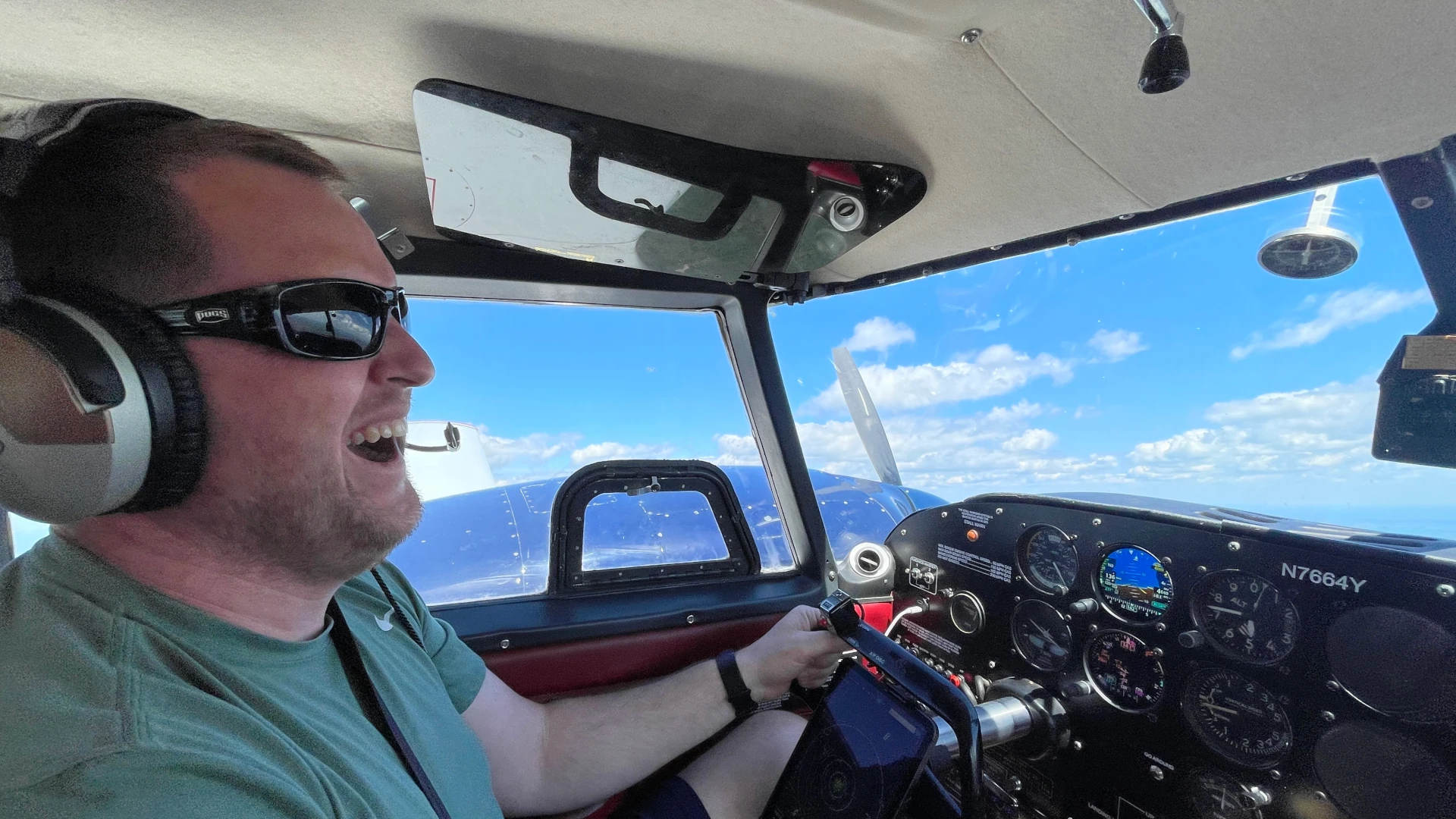
Those words become very real in the cockpit. You are working through power settings, propellers, gear, flaps, mixtures, airspeed, checklist discipline, and outside references while one engine can change the whole feel of the airplane.
That is why our multi-engine rating program puts heavy emphasis on Vmc awareness, single-engine procedures, PA-30 systems, and mock practical-test preparation. Your checkride should feel demanding, but not mysterious.

Summit Turns the Rule Into a Training Window
Part 61 tells you what must be true before the rating is issued. It does not organize your week, prepare your logbook, teach your systems flow, or help you decide when to schedule the checkride. That is where the training plan earns its value.
Our multi-engine course is designed as a 7-day intensive training window in the Piper PA-30 Twin Comanche. The flow is built to move from foundation to proficiency:
| Training step | What you build | How it supports the checkride |
|---|---|---|
| Ground and simulator foundation | Multi-engine aerodynamics, PA-30 systems, performance, Vmc, and emergency procedures | You understand the why before the workload rises |
| First Twin Comanche flights | Normal operations, coordination, climbs, slow flight, stalls, and basic single-engine procedures | You build aircraft feel before advanced emergencies |
| Emergency operations | Engine failure drills, single-engine operations, restart flows, and drag control | You learn to manage the most serious rating-specific risks |
| ACS task integration | Practical-test task review and targeted instructor feedback | You find weak spots while there is still time to fix them |
| Mock checkride and final prep | Mock oral, mock flight, IACRA, endorsements, and paperwork | You arrive prepared instead of guessing |
Because training is real aviation, a 7-day design is not a completion guarantee. Weather, maintenance, aircraft availability, student readiness, and examiner scheduling can affect the final day. The benefit of a clear syllabus is that you can see where the delay is and what needs to happen next.
Career-Track Students Should Time the Rating on Purpose
For a career-track student, the multi-engine rating should serve a larger goal. It can support commercial, instructor, MEI, corporate, charter, and airline-track planning because many professional airplane paths involve multiengine privileges.
The rating by itself does not guarantee a job, airline interview, or R-ATP eligibility. Treat it as a serious milestone in your training sequence. If you are still building the foundation, our Career Track Program helps you understand how private pilot, instrument, commercial, instructor, and multi-engine steps can fit together.
Good timing depends on your current certificate, your instrument skills, your budget, and your reason for adding the rating. We recommend an instrument rating before multi-engine training because it gives many students a stronger workload base, but it is not required for our program.
If your next move is instructor training or MEI planning, the multi-engine rating becomes more than another certificate line. It becomes part of how you build the authority and skill to teach more advanced aircraft operations.
Use Cost Planning Before You Reserve Dates
Cost clarity matters more on a short intensive course because the calendar moves fast. Our current multi-engine package starts at $4,950 and includes up to 8.5 hours of flight time in the Piper Twin Comanche, simulator time, instructor services including checkride prep, non-owned insurance, and optional continuation to MEI training.
That package gives you a strong planning base, but you should still know the full picture before you reserve dates. Examiner fees, extra aircraft time, travel, lodging, supplies, and schedule changes can affect the final investment.
If the rating is part of a longer career-track plan, review Summit’s financing resources early. Financing options can help qualified students compare ways to fund training, but loan terms and eligibility are separate from the training requirements.
Contact us to confirm current pricing and training-window availability before you build travel or work plans around a specific week.
FAQ: Multi-Engine Rating Requirements
Do I need a private pilot certificate before multi-engine training?
For Summit’s multi-engine program, you should hold a Private Pilot Certificate with an Airplane Single-Engine Land rating. Bring your pilot certificate, logbook, FAA medical certificate, government ID, and any citizenship or TSA documentation that applies to your situation.
Is there a written test for a multi-engine add-on?
For many additional class rating applicants, 14 CFR 61.63 does not require a separate FAA knowledge test when the conditions in the rule apply. You still need instructor endorsement and practical-test readiness.
Does Part 61 require a fixed number of multi-engine hours?
For many class-rating add-ons, Part 61 does not set a new fixed-hour minimum for the class rating sought. Your real target is proficiency: systems knowledge, aircraft control, engine-out procedures, and practical-test standards.
Do I need an instrument rating first?
No. We recommend an instrument rating before multi-engine training because it helps many pilots manage workload, but it is not required for our program. If you are not sure about timing, compare your current path with the Career Track Program.
What aircraft will I train in?
Summit’s multi-engine training uses the Piper PA-30 Twin Comanche. You will use the airplane to connect ground knowledge, simulator practice, and real cockpit workload.
How does this help a professional pilot path?
It can support a career-track plan because many professional airplane roles value or require multiengine privileges. Keep the boundary clear: the rating is a milestone, not a job guarantee.
Start With the Multi-Engine Plan
If your next step is adding airplane multiengine privileges, start with the training path before you start chasing dates. Review Summit’s Multi-Engine Rating Training page, then use that one next step to confirm your prerequisites, current pricing, and training-window fit.