How to Build Flight Hours Fast: 2026 Time Building for Pilots
Published by:
Summit Flight Academy Team
Published on:
Updated on:
Read time:
8 min read
You have earned your Private Pilot Certificate, took your friends flying, and felt the thrill of pilot-in-command privileges. But as you look toward your commercial and airline goals, a daunting reality set in.
You need to bridge the training hour hump.
To earn your Commercial Pilot Certificate, the FAA requires a minimum of 250 flight hours. To qualify for a major airline cockpit, you must reach 1,500 hours. Paying full rental rates for hundreds of solo hours can feel like an impossible financial barrier, keeping you from the career you want.
Fortunately, you do not have to fund every hour out of pocket. By combining smart FAA-approved cost-sharing mechanisms, block-time discounts, and the flight instructor pathway, you can slash your time-building costs in half and accelerate your route into a paying aviation job.
At Summit Flight Academy, we design our programs around this progression. We help you transition from paying for flight time to getting paid to fly.
Understanding the Hour Goals: The Time-Building Math
Before you plan your schedule, you must understand the regulatory milestones.
Under FAA Part 61 rules, the hours are divided into two primary phases:
- The Commercial Milestone: Earning your Commercial Pilot Certificate requires accumulating at least 250 total flight hours. Since most students finish their Private Pilot Certificate and Instrument Rating with 100 to 120 hours, you must build roughly 130 to 150 hours of time before your commercial checkride.
- The ATP Milestone: Earning your Airline Transport Pilot (ATP) certificate—the credential required to fly for commercial airlines—requires accumulating at least 1,500 total flight hours under 14 CFR 61.159.
Spreading these hours over several years of random weekend flying slows your learning and increases your costs, as you lose proficiency between lessons. The solution is a structured, intensive time-building strategy that keeps your skills sharp and your progress moving.
The Safety Pilot Mechanism: Logging PIC Time Simultaneously
The most popular and cost-effective way to build hours between your private and commercial certificates is safety pilot cost-sharing.
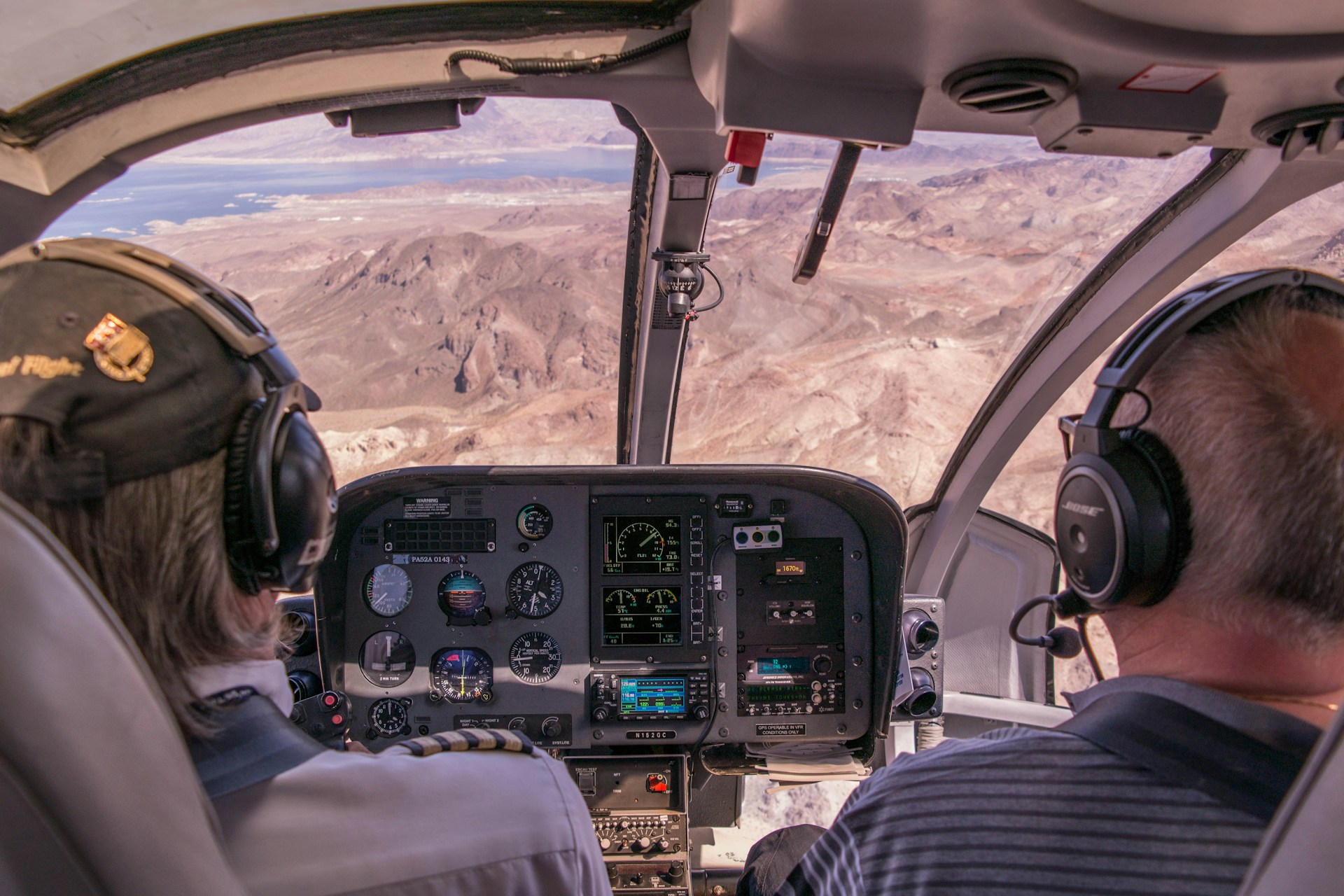
Under 14 CFR 61.51, two qualified pilots can legally log Pilot-in-Command (PIC) time simultaneously during simulated instrument flight. Here is how this mechanism works in the cockpit:
- The Pilot Flying wears a view-limiting device (commonly called a hood) to simulate instrument conditions. Because this pilot is the sole manipulator of the controls for an aircraft they are rated to fly, they log PIC time.
- The Safety Pilot acts as a required crewmember under 14 CFR 91.109 to scan for traffic while the other pilot is under the hood. If both pilots agree that the safety pilot is the acting PIC of the flight, the safety pilot also legally logs PIC time.
By splitting the hourly aircraft rental rate, both pilots build their logbooks for half the cost. To use this method safely and legally, the safety pilot must hold a valid medical certificate (or BasicMed) and be rated in the same category and class of aircraft.
This strategy does more than save money. Flying with a peer challenges you to act as a crewmember, coordinate cockpit duties, and practice instrument procedures, which sharpens the skills you need for Instrument Rating training.
Cross-Country Planning and Block-Time Efficiencies
Building hours is not just about staying local and flying circles around the airport pattern. To qualify for advanced certificates, the FAA requires a significant amount of cross-country flight experience (flights to an airport more than 50 nautical miles away from your starting point).
When you plan long cross-country flights, you experience different weather patterns, practice radio communication in diverse airspaces, and build real-world aeronautical decision-making skills.
To help manage these longer flights, Summit Flight Academy offers block time discounts. When you purchase aircraft rental time in blocks of 10 or more hours, you receive a discount on the hourly rate. This helps lower your total cost as you build toward the commercial hour requirement.
Here is how different time-building strategies support your progression:
| Strategy | Primary Benefit | Target Phase | How it Supports Your Next Step |
|---|---|---|---|
| Safety Pilot Cost-Sharing | Splits hourly rental costs in half | Private to Commercial | Builds hours toward Commercial Pilot Training |
| Block-Time Discounts | Reduces the base hourly rental rate | Private to Commercial | Minimizes total investment for solo flights |
| Flight Instructor (CFI) Role | Earn a salary while logging hours | Commercial to ATP | Transitions you to a paid role via instructor training |
How Summit Accelerates Your Path: The CFI Route
While safety pilot flying is excellent for the Private-to-Commercial transition, it is not practical for building all 1,500 hours required for the airlines. Earning the remaining 1,250 hours through aircraft rental would cost over $150,000.
This is why the Certified Flight Instructor (CFI) pathway is the gold standard for professional pilots.
Under our Career Track program, you progress from zero experience through your commercial ratings in 12 to 15 months. Once you earn your CFI, you can apply to teach at Summit Flight Academy.
Teaching others is the most effective way to master flight concepts. As an instructor, you build hours rapidly—often logging 60 to 100 hours per month—while earning a professional salary. CFIs at busy flight schools typically earn between $30,000 and $50,000 annually, depending on how often they fly.
This transitions you from a student paying for aircraft rental into a professional pilot earning a living while building the hour qualifications required by regional and major airlines.
Planning Your Time-Building Budget and Financing
Even with cost-sharing and block discounts, building the hours required for a commercial certificate represents a real financial commitment. Planning your budget and securing your funding before you begin prevents long training gaps that can slow your momentum.
Here at Summit Flight Academy, we help you align your financing options. We partner with specialized lenders like Stratus Financial to provide structured flight training financing resources. These loans can cover the cost of aircraft rental, instructor time, and supplies, allowing you to train consistently.
If you have an education savings account, you can also explore using 529 plan flight training benefits to cover qualified training expenses at our school, helping you avoid unnecessary high-interest debt.
FAQ: Pilot Time Building
-
Can you fly for hire as a student pilot?
No. Before earning a Commercial Pilot Certificate, you cannot carry passengers or cargo for compensation or hire. Earning a student pilot salary is only possible after you hold your commercial certificate and the appropriate rating or instructor credentials.
-
How does safety pilot logging work legally?
Under 14 CFR 61.51, one pilot acts as the sole manipulator of the controls under simulated instrument conditions (wearing a hood) and logs PIC. The other pilot acts as the safety pilot (required crewmember). If both agree the safety pilot acts as PIC, both log PIC time. The safety pilot must be rated in the category and class and hold a current medical.
-
How long does it take to build from 250 to 1,500 hours?
For full-time Certified Flight Instructors, the hour building phase typically takes 18 to 24 months, depending on student load, weather, and scheduling. Instructors commonly log 600 to 800 hours per year.
-
Does Summit offer block discounts for aircraft rental?
Yes. We offer block discounts when you purchase rental time in blocks of 10 or more hours, helping you lower the cost of your solo cross-country flights.
Your Next Step: Design Your Training Path
Bridging the hour hump requires a clear strategy, not guesswork. Whether you want to split rental costs with a safety pilot, utilize block rates for cross-country flying, or fast-track your path to a CFI role, our team at Summit Flight Academy can help you build the right timeline.
👉 Ready to plan your path? Book a Discovery Flight with Summit Flight Academy today, or contact our team to discuss your customized hour-building and career track options.