Flying In for Multi-Engine Training in Missouri: Your 2026 Trip Plan
Published by:
Summit Flight Academy Team
Published on:
Updated on:
Read time:
9 min read
The night before you leave, the passenger seat fills up fast: your logbook, your headset bag, your medical, and a hotel confirmation for a week in Lee’s Summit. Maybe you’re driving in from elsewhere in Missouri or across the line in Kansas. Maybe you’re flying commercially from farther away. Either way, you’re about to spend seven days adding a multi-engine rating to your certificate, and how you plan the trip decides how much of that week goes to flying.
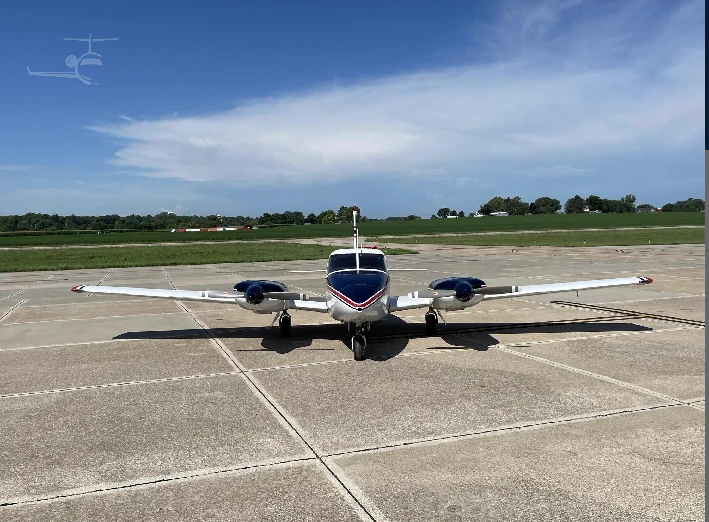
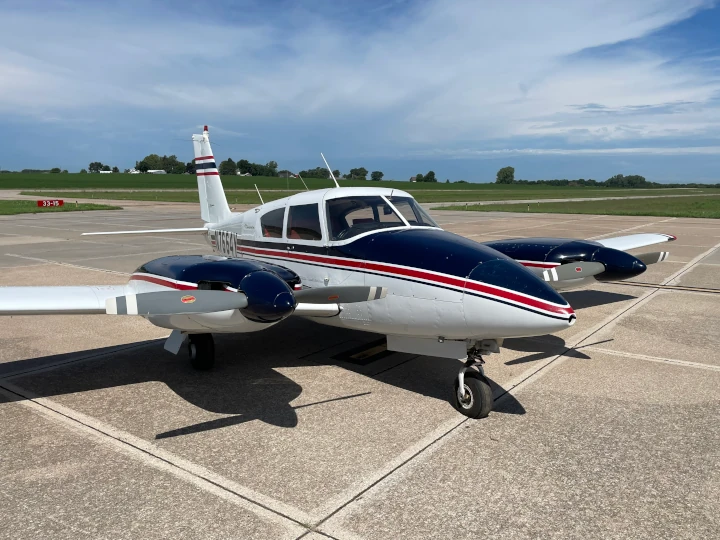
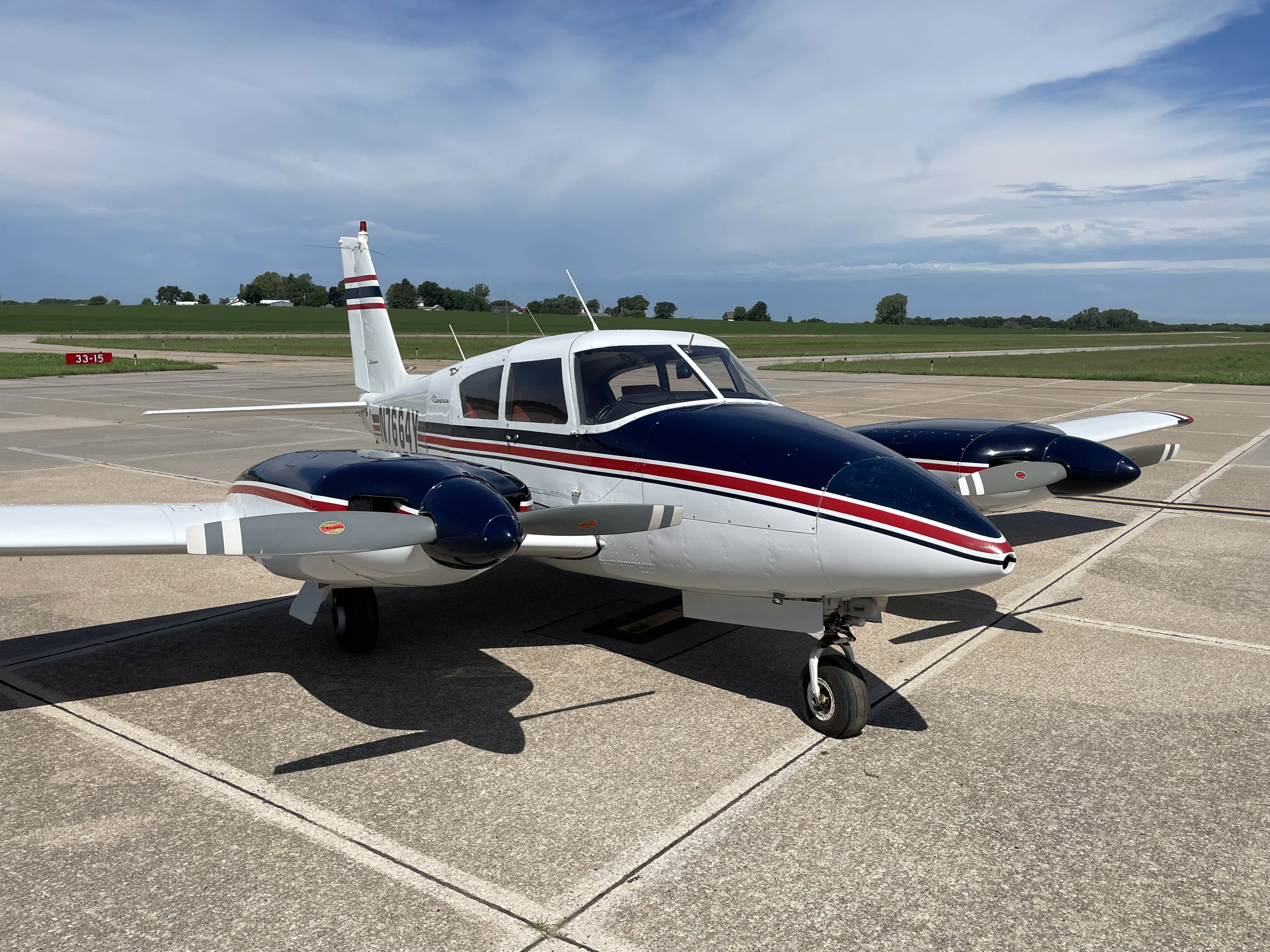
If you’re weighing multi engine training in Missouri, here’s how it works with us. At Summit Flight Academy, our multi-engine rating program runs seven days, start to checkride, in our Piper PA-30 Twin Comanche at Lee’s Summit Airport (KLXT). To make that week work from out of town, you need four things settled before you leave: the right week, a little cushion on the return, a place to stay, and every document you’ll need on checkride day.
Pick Your Training Week Before You Book Anything Else
Start with the calendar, not the hotel. Your training week sets everything else, so pick your dates with us first and book travel second. We’re open seven days a week, and Jami in our office can help you line up dates and walk you through the enrollment paperwork. You can start the process from our multi-engine program page.
The week runs in this order, and each stage changes what you need from your trip:
| Days | What happens in training | What it means for your trip |
|---|---|---|
| Start of the week | Two ground lessons and a simulator session on engine failures | You’re in a classroom and the sim, so arrive rested and ready to study |
| Middle of the week | Flights in the Twin Comanche, from orientation through emergency work and ACS review | The core of your week; these are the days weather can move |
| Final prep | Mock oral, mock checkride, IACRA paperwork, and final endorsements | Have every document with you by now |
| Day 7 | Your multi-engine rating checkride with a Designated Pilot Examiner | Don’t plan to leave town until this is done |
The program is built as an intensive seven days, but weather, maintenance, and your own progress can shift the week. When that happens, we work with you to adjust the schedule or combine lessons where we can. If you want the full syllabus before you commit, our multi-engine training syllabus and prep guide lays out every lesson.
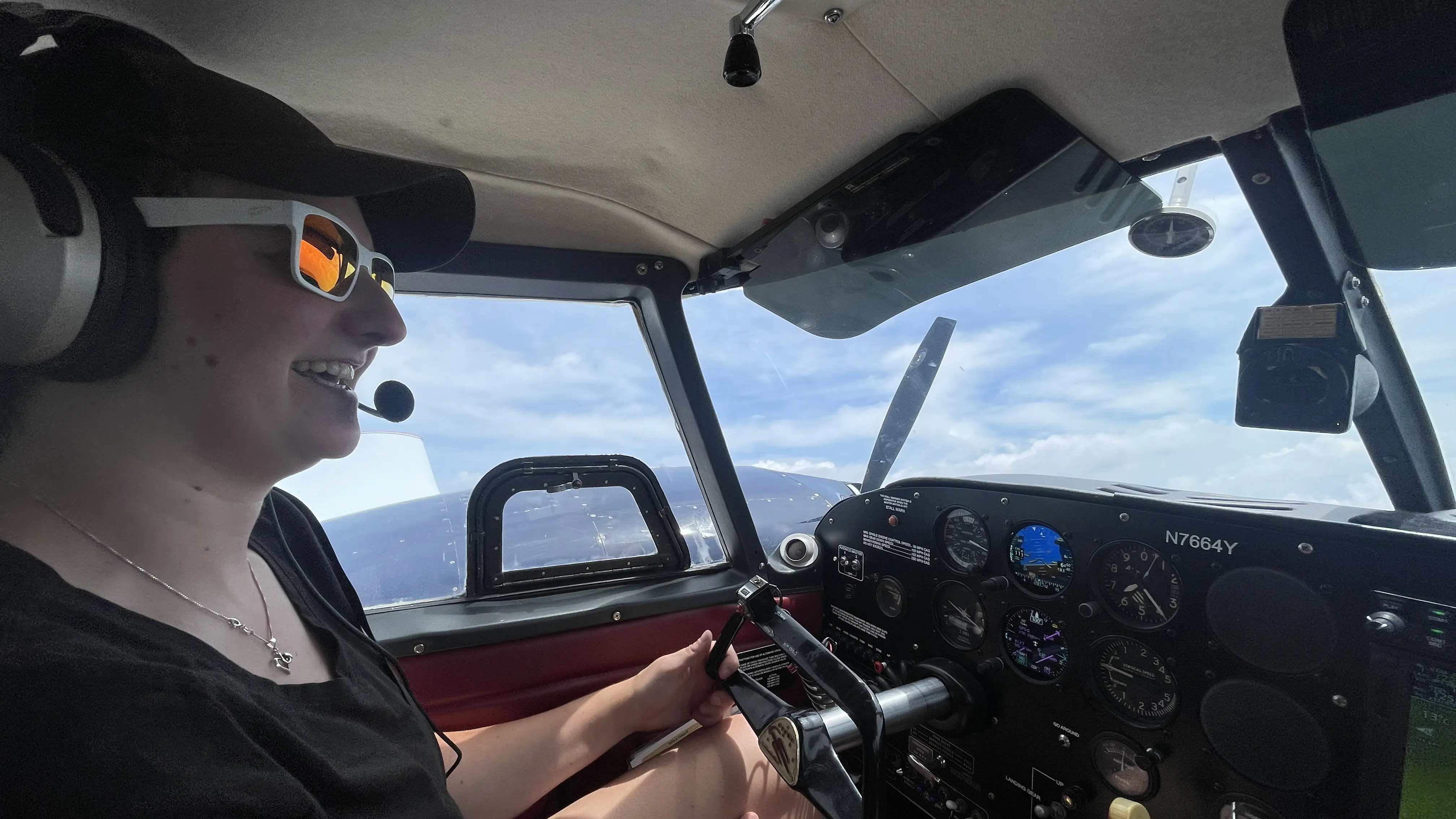
One more planning point: an instrument rating is recommended but not required for our program. If you’re still deciding whether to finish your instrument rating first, settle that before you pick a week.
Build Cushion Into the Trip, Not Into the Training
Out-of-town pilots lose the most when they book a return flight for the evening of Day 7 with nothing behind it. One gray morning midweek can push a lesson, and that push can roll forward into your checkride date.
A few things can move the week, and none of them care about your vacation days:
- Weather in any season can cost a day of flying.
- Maintenance on a twin can take an airplane out of the schedule.
- Examiner availability varies with location, scheduling demand, and the examiner’s authorization, so the checkride slot matters.
That’s why we suggest leaving room in your return plans. A refundable ticket, a flexible day off, or a hotel reservation you can extend gives the week room to absorb a delay without rushing your checkride. Talk to us about how much cushion makes sense for the season you’re training in.
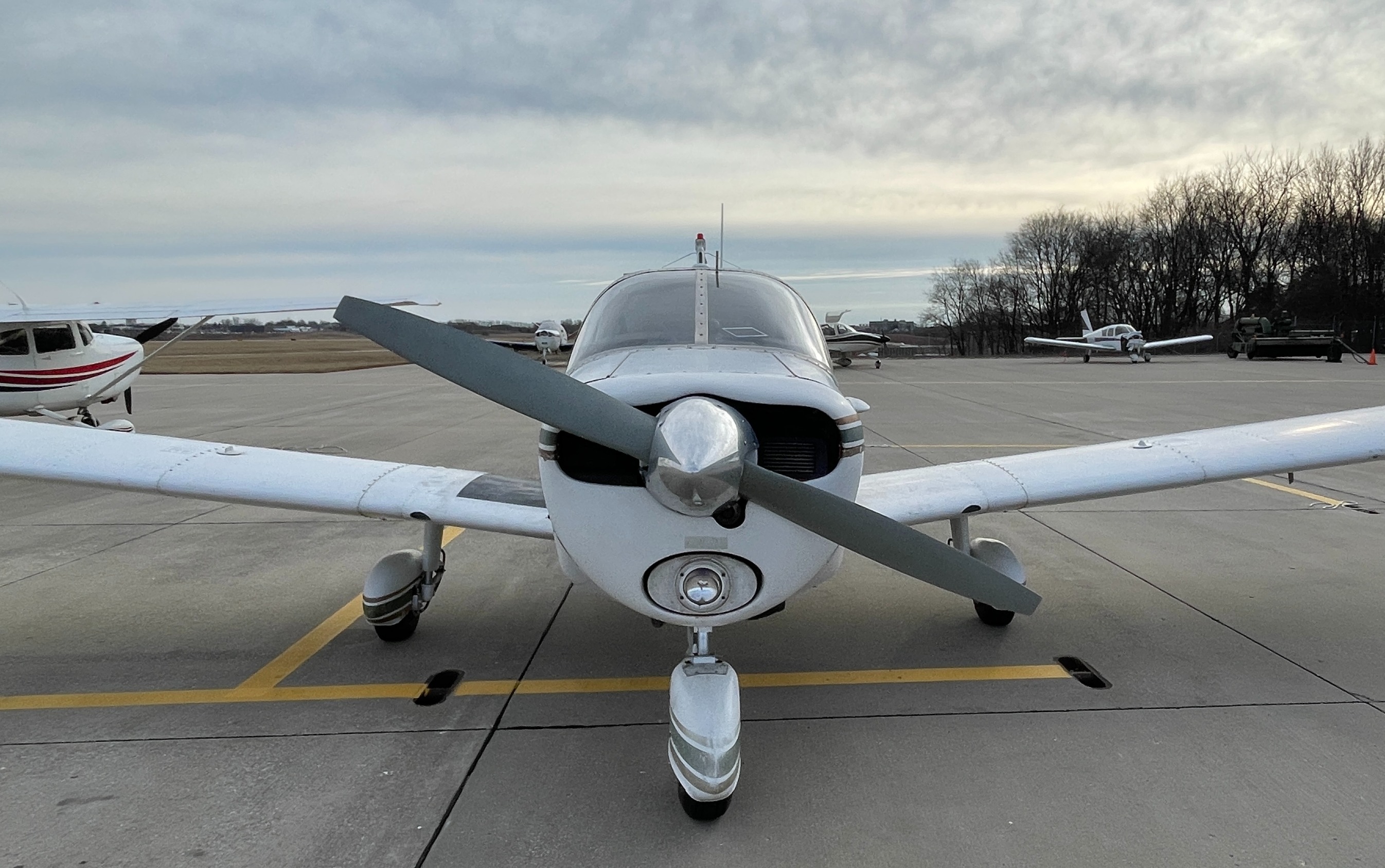
If you’re flying yourself in, plan the trip like any other cross-country. The same weather that pauses a training flight at KLXT can hold you on the ground at either end of your trip, so build cushion on both sides. Our guide to weather and cross-country planning is a good refresher before you go.
Where You’ll Stay: Ask Us for Lodging Suggestions
For students coming in from outside the metro, contact us when you set your training dates and we can give you the best suggestions for where to stay near the airport.
Staying close keeps your mornings simple. You’re at the airport early for ground or the first flight, you study at night, and you aren’t spending your energy on a long commute between lessons. A seven-day program asks a lot of your brain, and short days on the road help.
Budget the trip as a whole. Our multi-engine package starts at $4,950 and includes up to 8.5 hours of flight time in the Twin Comanche, simulator time, instructor services with checkride prep, non-owned insurance, and an optional continuation into MEI training. Your travel, lodging, and meals sit outside the package, so add them to your plan early.
If you’d rather spread the cost out, our financing options cover the lenders we work with. Our multi-engine cost guide breaks down the training side of the numbers in more detail.
Pack the Documents That Carry You Through Checkride Day
The most avoidable problem on a training trip is a missing document two states away from home. Here’s what to bring for our multi-engine program:
- A current private pilot certificate with an airplane single-engine land rating
- A current FAA medical certificate, third class or higher
- Proof of U.S. citizenship, or TSA approval if you’re not a U.S. citizen
- Your logbook, showing recent flight experience
- A government-issued photo ID
- Your headset and flight gear
- A current FAR/AIM and your multi-engine study materials
- Knowledge test results, if you’ve already completed one
Several of these come out again on Day 7. A practical test applicant shows the examiner a pilot certificate, a medical certificate when one is required, a logbook, and an application, and the test itself is flown to the FAA’s Airman Certification Standards. That’s why we handle your IACRA application and final endorsements in the final prep before your checkride, so checkride morning is about flying, not paperwork.
Whether a knowledge test applies to you depends on your certificate path, and our Part 61 multi-engine requirements guide explains how the add-on rating works. Do your studying before you arrive, too. The week moves quickly, and our multi-engine FAQ page is a good place to start.
Getting to Lee’s Summit Airport From Across Missouri and Kansas
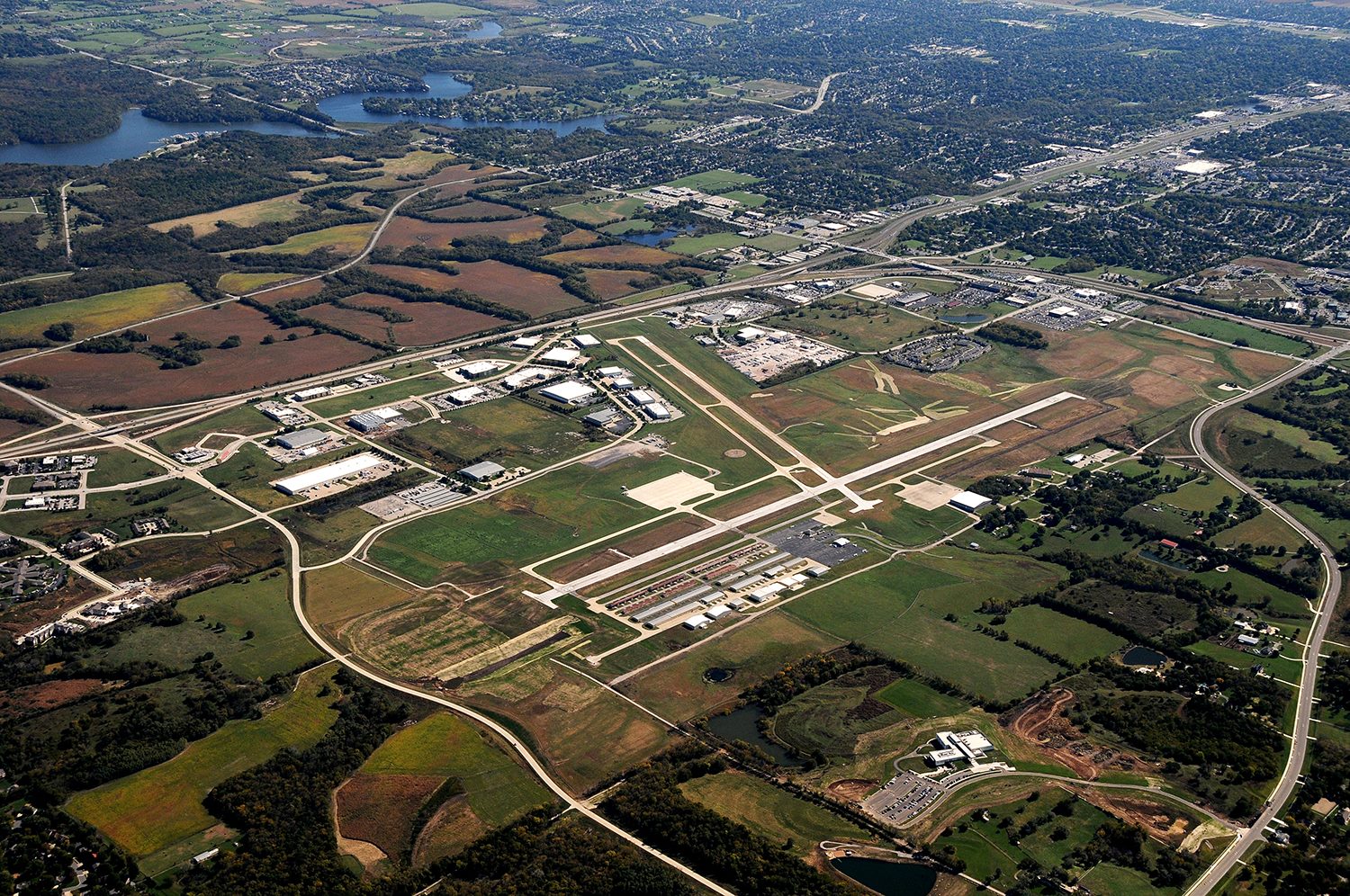
We train at Lee’s Summit Airport (KLXT), on the southeast side of the Kansas City metro in Lee’s Summit, Missouri. For a lot of pilots in Missouri and Kansas, that makes the trip a drive, and having your own car for the week makes the hotel-to-airport run easy.
If you’re flying commercially, you’ll land at Kansas City International and need a ride or a rental car to Lee’s Summit. Plan that leg before you leave home so your first morning starts on time. Our Visit Us page has our location and how to reach the office.
If you’re local to the Kansas City area and reading this anyway, the same plan applies without the hotel. Our Kansas City flight training page covers training for pilots who live in the metro.

After the Checkride: The Drive Home and the Twin You Can Keep Flying
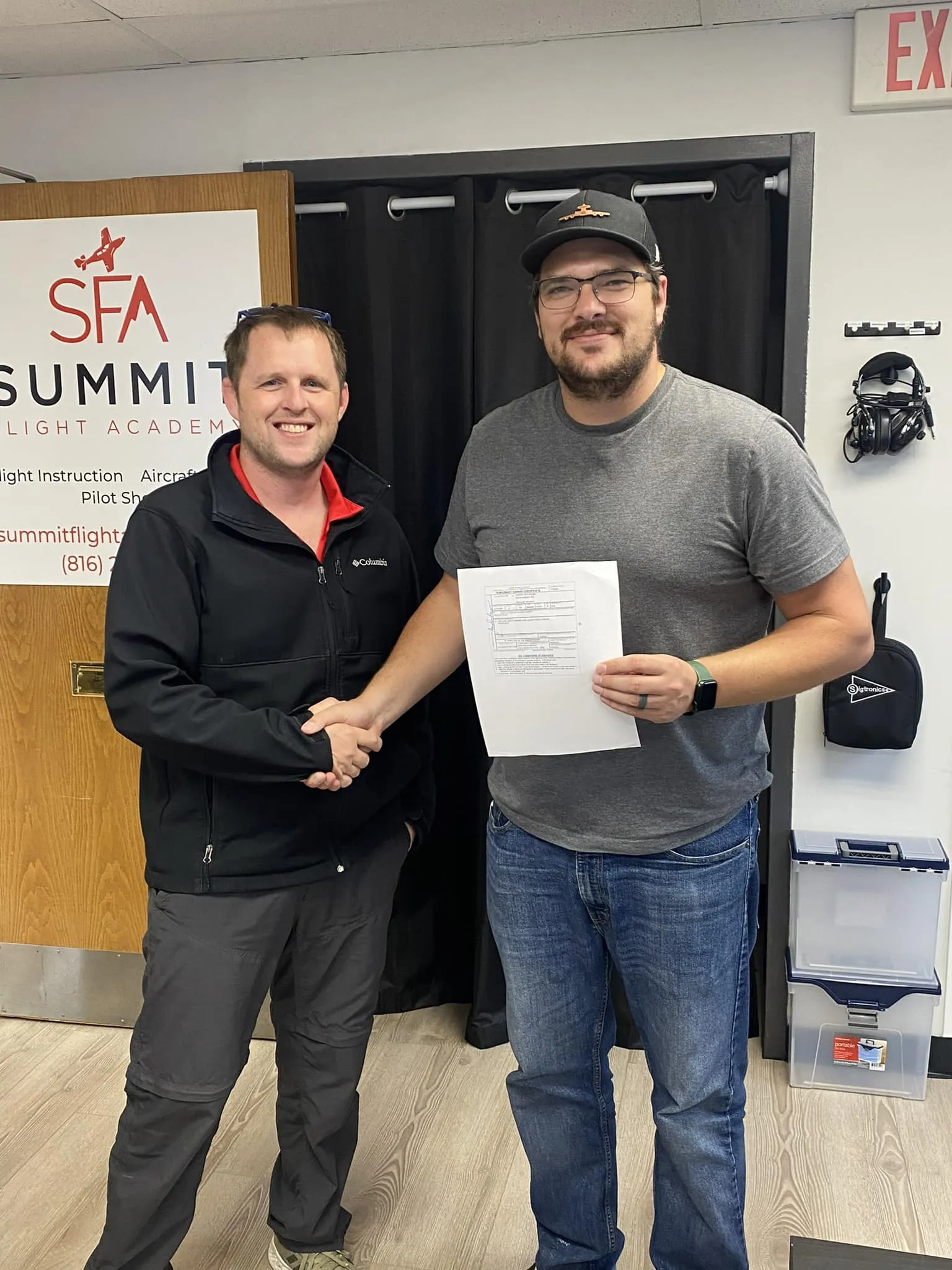
The moment you shake hands with the examiner, the trip changes. You head home with a new class rating on your certificate, and the next question is how to keep it from getting rusty.
Graduates of our program may rent our Twin Comanche, subject to checkout and currency requirements. Special conditions will apply. Rental conditions are set case by case, so talk to us before you plan a return trip around it.
Plan for currency too. Passenger-carrying currency is tied to category and class, so landings in a single-engine airplane don’t keep you current to carry passengers in a twin. Our guide to staying current in a twin covers what to plan for after you get home.
If multi-engine is one step in a bigger plan, the package also gives you an optional path into MEI training. And if the twin itself is still new to you, our post on moving from a Cherokee to the Twin Comanche explains what changes in the cockpit.
Frequently Asked Questions
Where do I stay during multi-engine training in Kansas City?
Contact us when you schedule and we can give you the best suggestions for where to stay near the airport. Lodging isn’t part of the package, so budget for it alongside the multi-engine program.
How many extra days should I plan for weather?
There’s no single answer, because weather and maintenance vary by season and by week. Leave room in your return plans, and talk to us about how much cushion fits the time of year you’re training. Our multi-engine FAQ page covers how the schedule can shift.
What do I need to bring for the 7-day program?
Bring your private pilot certificate, a current FAA medical, proof of U.S. citizenship or TSA approval, your logbook, a photo ID, your headset, your multi-engine study books, and knowledge test results if you have them. Our syllabus and prep guide has the full list.
Do I need an instrument rating before I travel for multi-engine training?
No. An instrument rating is recommended but not required for our program. Many pilots find the twin’s pace easier with instrument skills in place, and our instrument rating program is there if you want to add it first.
Can I keep flying the Twin Comanche after I go home?
Graduates of our program may rent our Twin Comanche subject to checkout and currency requirements, and special conditions will apply. Our guide to staying current in a twin explains what that looks like.
How much does the multi-engine package cost?
Our package starts at $4,950 and includes up to 8.5 hours in the Twin Comanche, simulator time, instructor services with checkride prep, and non-owned insurance. Our cost guide walks through what can change the total.
Lock In Your Multi-Engine Training Week
A good training trip starts with one decision: your week. Once that’s set, the hotel, the cushion, and the packing list fall into place, and you can spend your seven days at KLXT on the flying. Pick your dates and start your multi-engine rating with Summit Flight Academy.