From Cherokee to Twin Comanche: What Changes in PA-30 Multi-Engine Training in 2026
Published by:
Summit Flight Academy Team
Published on:
Updated on:
Read time:
10 min read
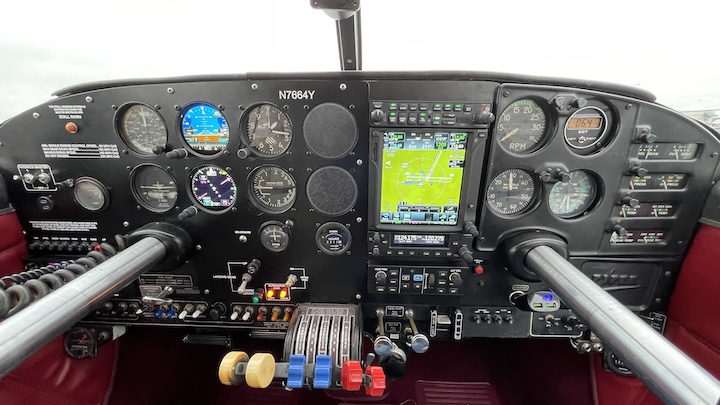
You’ve flown a Cherokee long enough that your right hand finds the throttle without looking. Then you climb into a Piper PA-30 Twin Comanche and that hand finds six levers instead of one. Two throttles, two prop controls, two mixtures, and a gear handle you have to remember on every downwind. That first look at the panel tells you a multi-engine rating asks for more than a second engine’s worth of attention.
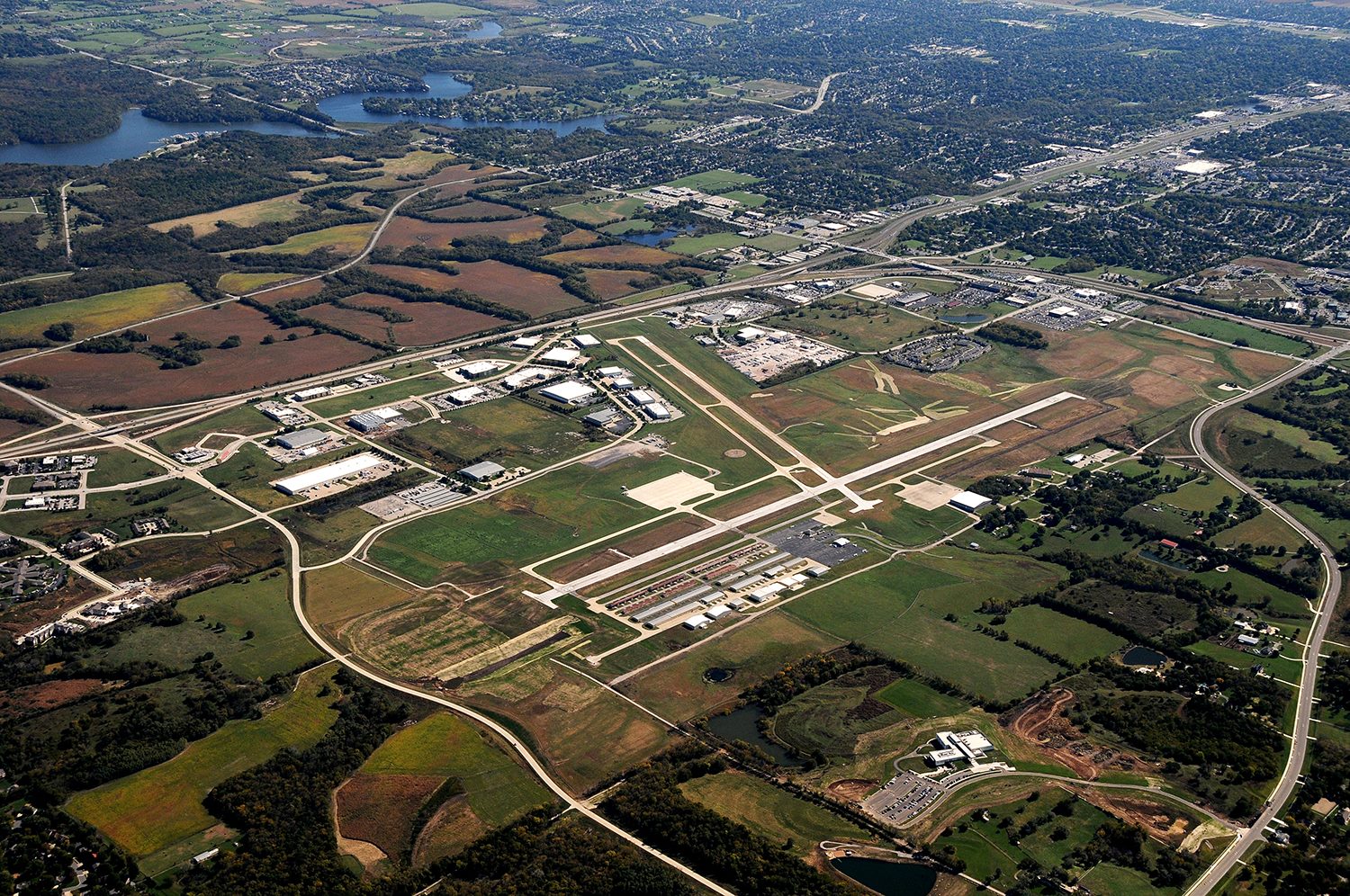
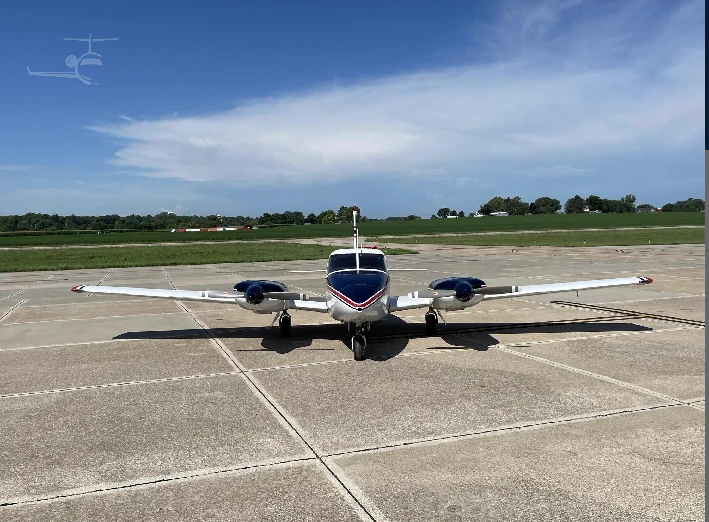
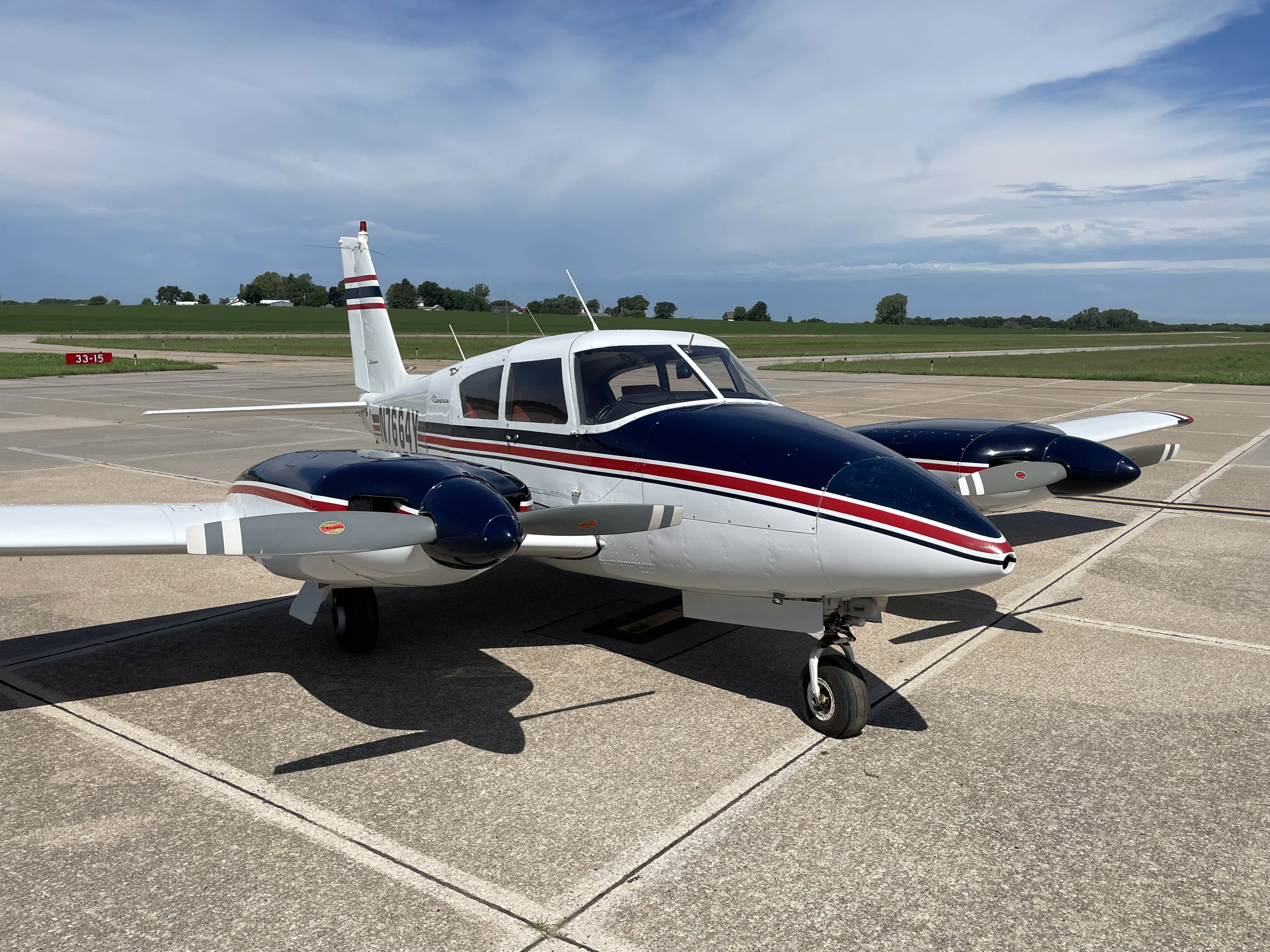
The short answer: PA-30 multi engine training changes three things at once. The airplane has more systems, it moves faster, and an engine failure takes away most of your climb. At Summit Flight Academy, our multi-engine rating program is built so you meet each of those changes on the ground and in the simulator before you meet them in the air. Here’s what to expect when you move up from our single-engine Pipers to our Twin Comanche at Lee’s Summit Airport (KLXT).
Your Hands Meet Six Levers Instead of One Throttle
If you learned in one of our Cherokees, Warriors, or Archers, your engine controls were simple. You had one throttle, one mixture, a fixed-pitch prop, and landing gear that never moved. The Twin Comanche doubles the engines and adds two systems you have to manage the whole flight.
| What you manage | Our Cherokee, Warrior, or Archer | Our Twin Comanche | What it changes for you |
|---|---|---|---|
| Engines | One | Two Lycoming engines | You watch two sets of gauges and catch differences between them |
| Propellers | Fixed pitch | Constant-speed, featherable | You set RPM with a prop lever and learn to feather a failed engine |
| Landing gear | Fixed | Retractable | Gear up after takeoff, gear down and confirmed before landing |
| Levers on the quadrant | Throttle and mixture | Two throttles, two prop controls, two mixtures | You learn flows so your hands move in order |
| Where you train | Private Pilot training | Multi-Engine Rating program | A new class rating on your certificate |
If you learned in our PA-28s, the Twin Comanche may be the first airplane where you’ve moved a gear handle or a prop lever. A constant-speed prop holds the RPM you select while the blade angle changes on its own. On a twin, the props can also be feathered, which means turning the blades edge-on to the wind and stopping the engine so a dead engine stops dragging.
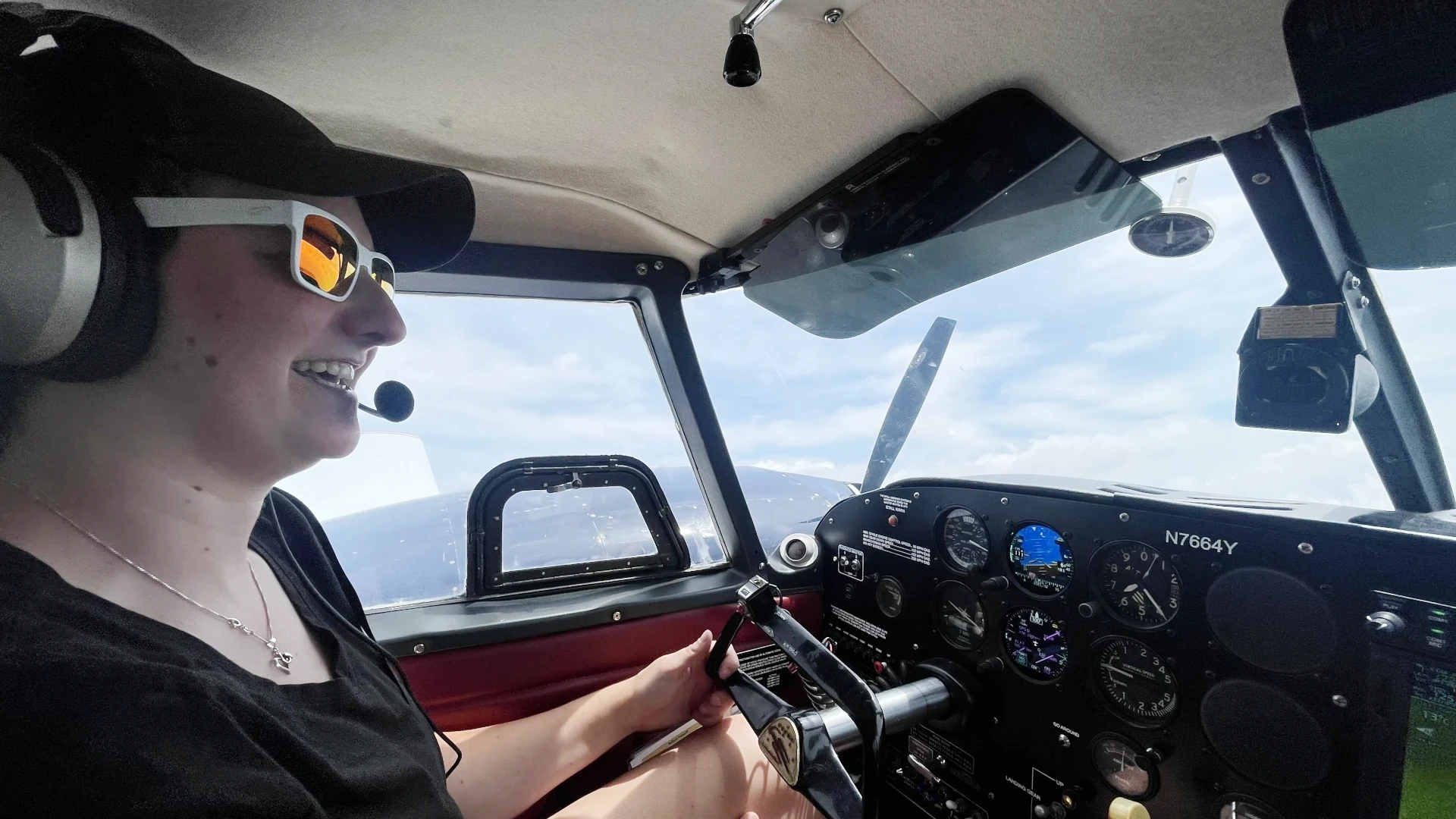
None of this is hard to understand. It’s more to track, and the extra items show up at the busiest moments of the flight: right after takeoff and on the way into the pattern. You can see N7664Y’s panel and quadrant on our Twin Comanche fleet page before you arrive.
The Twin Comanche Is Faster, So Your Planning Starts Earlier
The Twin Comanche is noticeably faster than a Cherokee, and the speed changes your timing more than your technique. Checkpoints come sooner. Descents need to start further out. The FAA’s guidance for multi-engine pilots notes that the traffic pattern and approach are typically flown at higher indicated airspeeds than in most singles, so the before-landing checklist starts early.
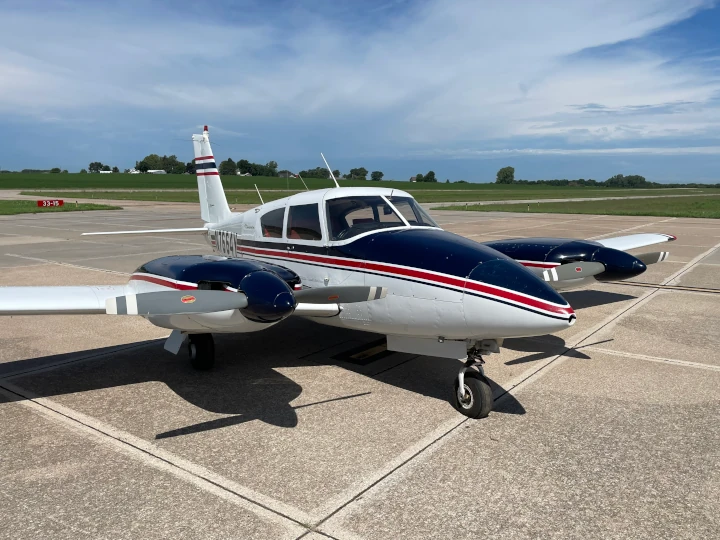
In practice, the work you used to do on downwind in the Cherokee moves to before you enter the pattern. Gear down and confirmed becomes a check you make on every approach. Knowing the systems and speeds before you sit in the airplane makes that first lesson a lot calmer.
If you already hold an instrument rating, you’re used to thinking two steps ahead in a busy cockpit, which helps. It isn’t required for our program, but instrument skills make the twin’s pace easier to keep up with.
One Engine Out Takes Most of Your Climb, Not Half of It
The biggest mental shift is what an engine failure means. In your Cherokee, an engine failure means you pick a field and glide. In a twin, you have a working engine left, and it’s tempting to think you just lost half your performance.
You lose about half your power. According to the FAA’s Airplane Flying Handbook, that loss reduces climb performance by 80 to 90 percent, sometimes more. Climb comes from the power left over after level flight, and most of that extra power just quit. The handbook also says the second engine is a safety advantage only to a trained and proficient pilot.
The other problem is control. With one engine pulling and the other dead, the airplane wants to yaw toward the failed side. Two speeds on the airspeed indicator help you manage it:
- Vmc, the red line, is the minimum control speed with the critical engine inoperative. Below it, you may not be able to keep the airplane straight with full rudder. Vmc only addresses control, and it isn’t a fixed number in every condition.
- Vyse, the blue line, is the best rate of climb with one engine inoperative. It’s the speed you hold when you need every foot of climb the good engine can give you.
The critical engine is the one whose failure hurts controllability the most, and our ground school covers how that applies to our Twin Comanche. You’ll also fly a Vmc demonstration, a required task on the multi-engine checkride, at a safe altitude with your instructor. Our Part 61 multi-engine requirements guide explains how the checkride is built.
Your Right Foot Learns “Identify, Verify, Feather”
When your instructor pulls a throttle back at a safe altitude, the yaw is immediate, and your rudder foot has to answer before your brain finishes the thought. That’s why multi-engine pilots fly by flows: short sequences you say and do in the same order every time.
The engine failure flow ends with three words you’ll hear constantly in training: identify, verify, feather. “Dead foot, dead engine” helps you identify the failed side: the foot that isn’t pushing is on the side of the dead engine. You verify by pulling back the throttle you think has failed. If nothing changes, you have the right one. Then you feather that prop.
Once you’re under control, you hold blue line and bank a couple of degrees toward the good engine to cut drag and get the best climb the airplane has left. The exact numbers vary by make and model, and your instructor will show you what works in our airplane.
The FAA calls takeoff and go-around the most critical time for an engine failure, so a twin pilot briefs the plan before every takeoff. You’ll say out loud what you’ll do if an engine quits on the runway and what you’ll do after liftoff. It feels formal at first and turns routine with repetition. If you want to keep those skills sharp after your checkride, our guide to staying current in a twin covers what fades first.
The Simulator Session
Before you ever start the Twin Comanche’s engines, you’ll sit through two ground lessons and a simulator session. The first ground lesson covers multi-engine aerodynamics: Vmc, the critical engine, single-engine performance, and engine-out procedures. The second covers the PA-30’s systems, weight and balance, performance, and limitations.
Then you move to the sim for engine failure drills and emergency procedures. This is where you say “identify, verify, feather” until the words come out in order without thinking. A simulator lets you reset a scenario, try it again, and get the sequence wrong with no cost except a little pride. Our post on why flight simulators matter in pilot training goes deeper on how practice there carries into the airplane.

Your first flight in the Twin Comanche then builds on what you already know. You’ll do an extensive preflight and systems orientation, normal takeoffs and climbs, prop synchronization, slow flight, stalls, and steep turns, and you’ll get your first look at the engine failure drill. Later lessons work through engine failures on takeoff and after liftoff, single-engine go-arounds, restarts, and the Vmc and drag demonstrations. With the flows already familiar, you can spend your time in the twin on the flying itself.
What Carries Over From Your Cherokee
Plenty of what you learned in our PA-28s still applies. Pitch for airspeed, coordinated turns, checklist discipline, and clear radio calls at KLXT all come with you. The Twin Comanche gives you less time to be sloppy with them.
You also need a current private pilot certificate with an airplane single-engine land rating and a current medical, which are the starting point for our program. The rating itself is an add-on to the certificate you already hold. Our multi-engine FAQ page answers the common prerequisite questions.
Our multi-engine package starts at $4,950 and includes up to 8.5 hours of flight time in the Twin Comanche, simulator time, instructor services with checkride prep, and non-owned insurance, with an optional continuation into MEI training. The program runs as a 7-day schedule, and weather, maintenance, and your progress can shift it. If you’d rather spread the cost out, our financing options cover the lenders we work with, and our multi-engine cost guide breaks down the numbers.
Frequently Asked Questions
Do I need an instrument rating before multi-engine training?
No. An instrument rating is recommended but not required for our multi-engine program. Many pilots find the twin’s pace easier with instrument skills already in place. If you’re planning a career path, our post on how multi-engine training fits a professional pilot career covers timing.
Will the Twin Comanche be the first retractable-gear airplane I fly?
If you learned in our Cherokees, Warriors, or Archers, it probably will be. Those airplanes have fixed gear and fixed-pitch props. We cover the gear and prop systems in ground school before your first flight, so the gear handle and prop levers aren’t a surprise. You can see the airplane on our fleet page.
What happens in the simulator session before my first flight?
You practice engine failure drills and emergency procedures until the flow is automatic. It comes after your two ground lessons and before your first Twin Comanche flight. Our multi-engine FAQ has more on how sim and flight time fit together.
How much does PA-30 multi-engine training cost?
Our package starts at $4,950 and includes up to 8.5 hours in the Twin Comanche, simulator time, instructor services with checkride prep, and non-owned insurance. Our cost guide walks through what can change the total.
Can I keep flying the Twin Comanche after my checkride?
Graduates of our program may rent our Twin Comanche subject to checkout and currency requirements. Special conditions will apply. Our guide to staying current in a twin explains what that looks like.
Start Your Move Up to the Twin Comanche
You already know how to fly. The Twin Comanche asks you to manage more, think earlier, and treat an engine failure with a plan you’ve rehearsed on the ground. We set up the ground lessons, the simulator session, and the flights in that order so the airplane never gets ahead of you. When you’re ready to pick your training week, start your multi-engine rating training with Summit Flight Academy.