Can You Really Earn a Multi-Engine Rating in 7 Days in 2026?
Published by:
Summit Flight Academy Team
Published on:
Updated on:
Read time:
9 min read
You’ve got seven days of leave approved, a checkride penciled in for the last one, and a nagging question: can a week really hold a whole rating? If you’ve been searching for accelerated multi engine training near me, you’ve seen the seven-day offers and wondered whether they’re realistic or just good marketing.
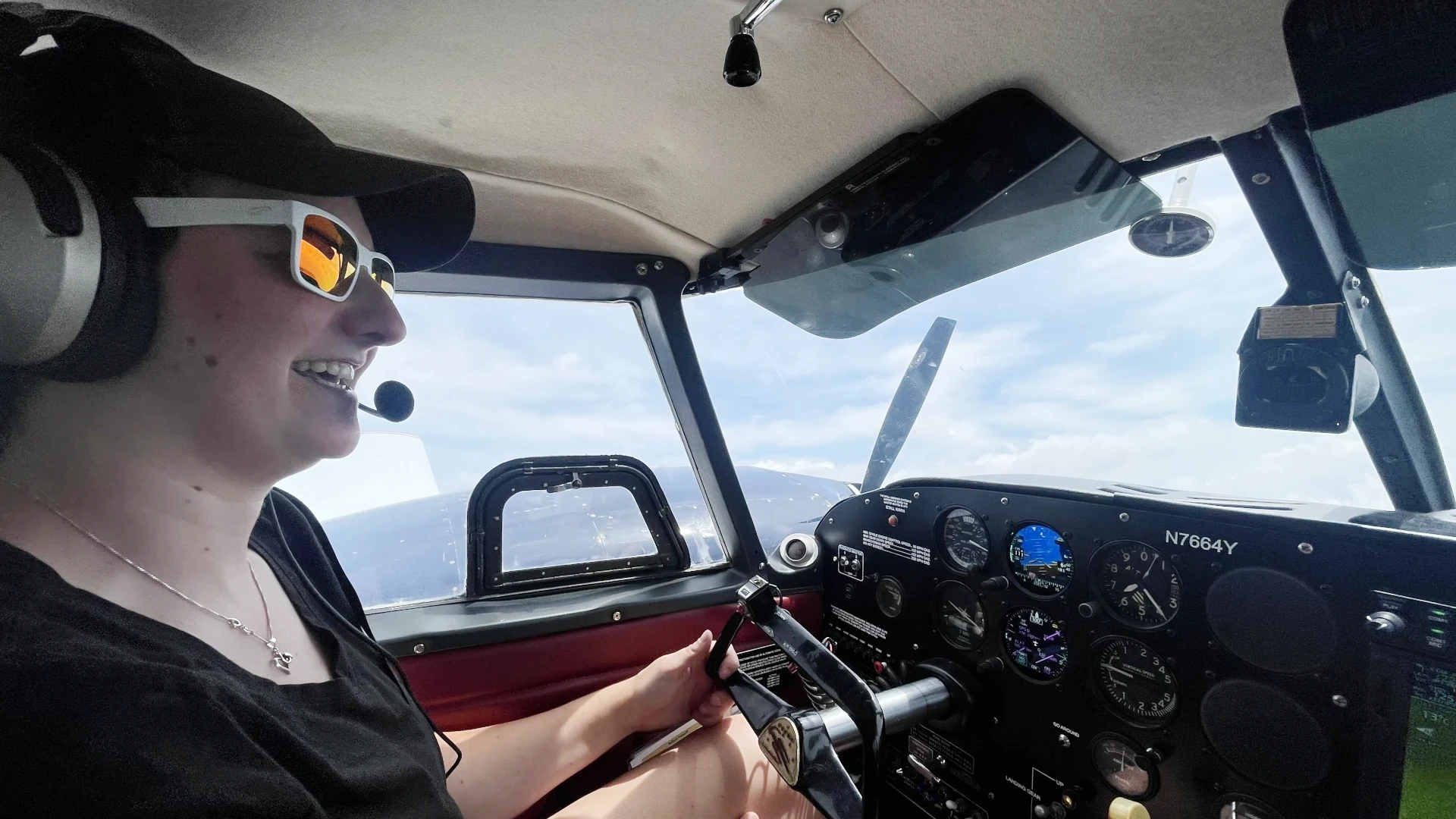
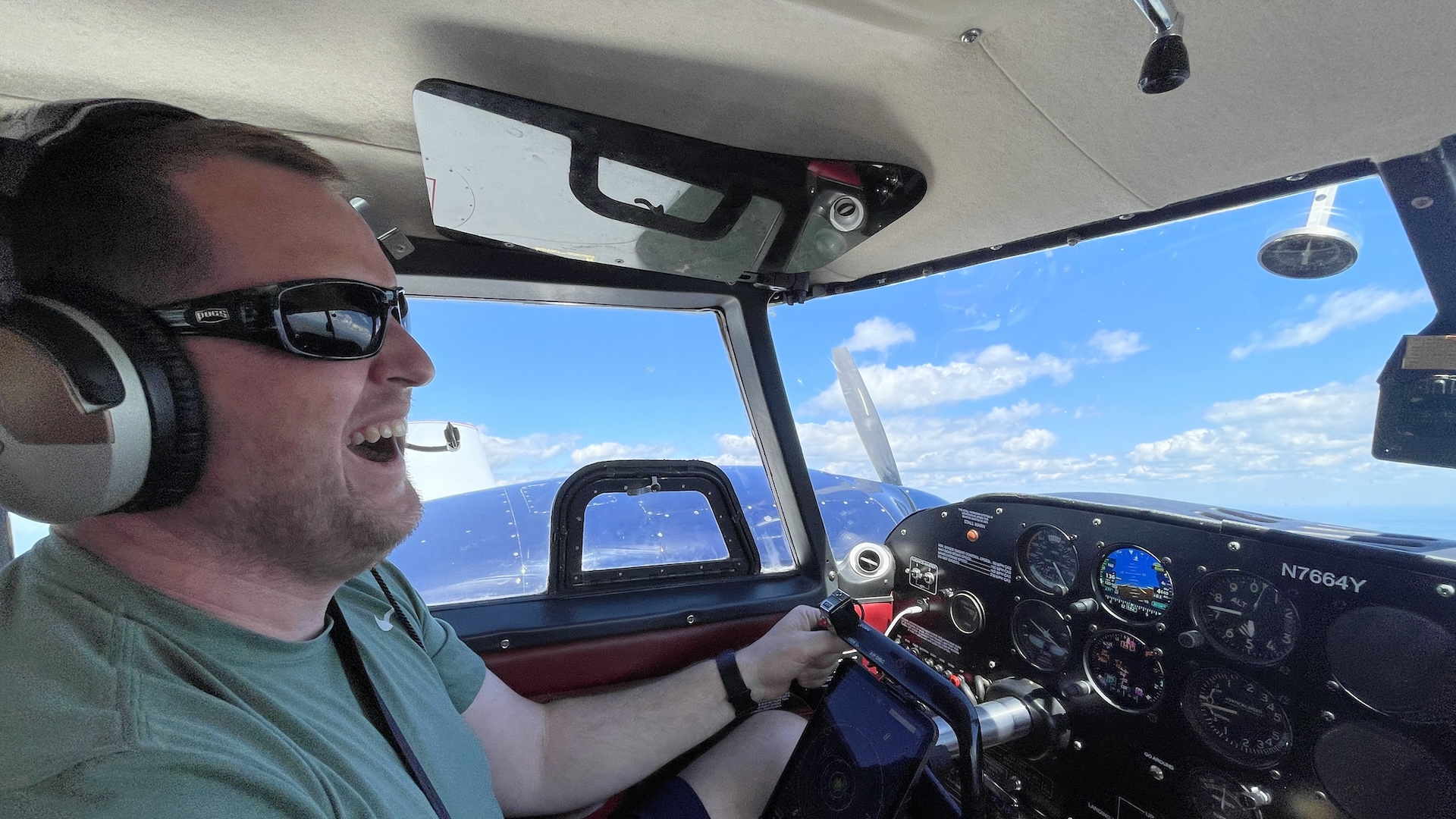
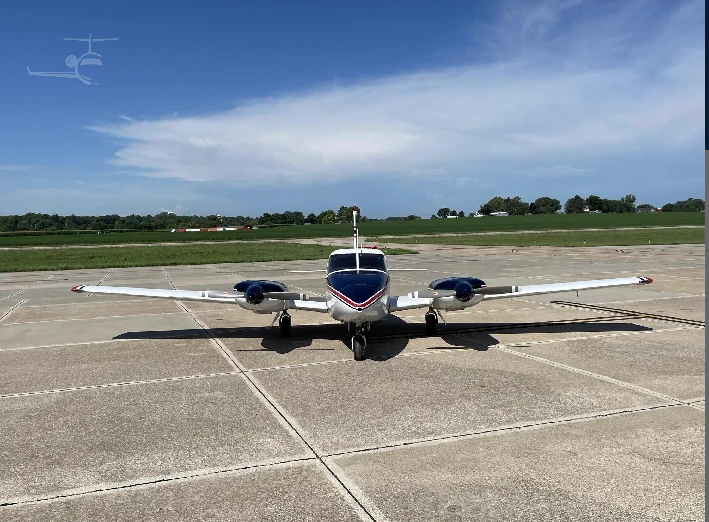
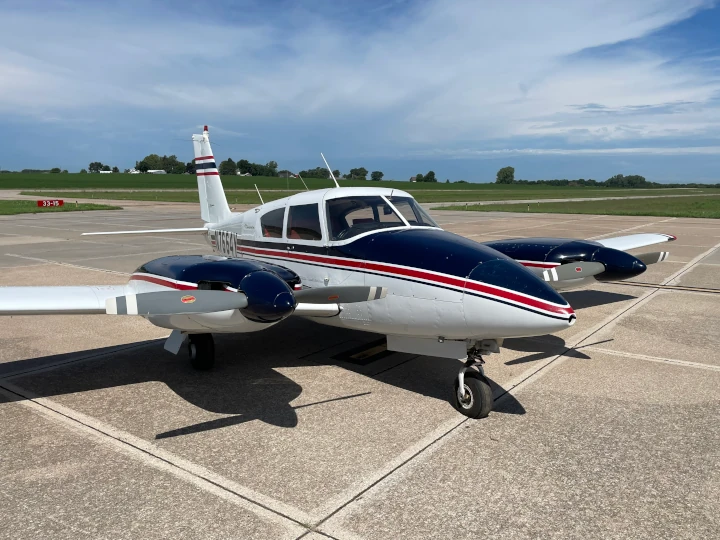
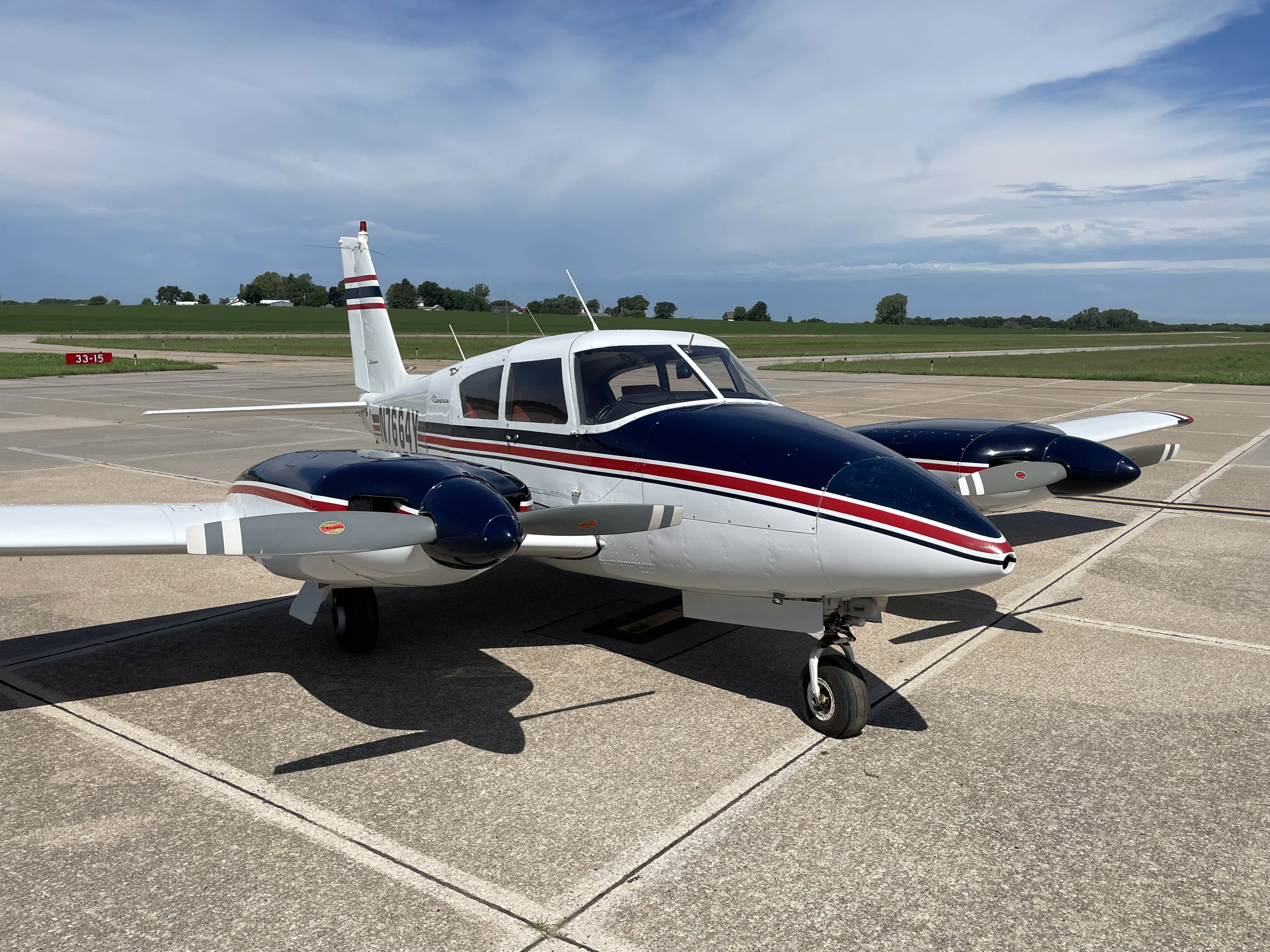
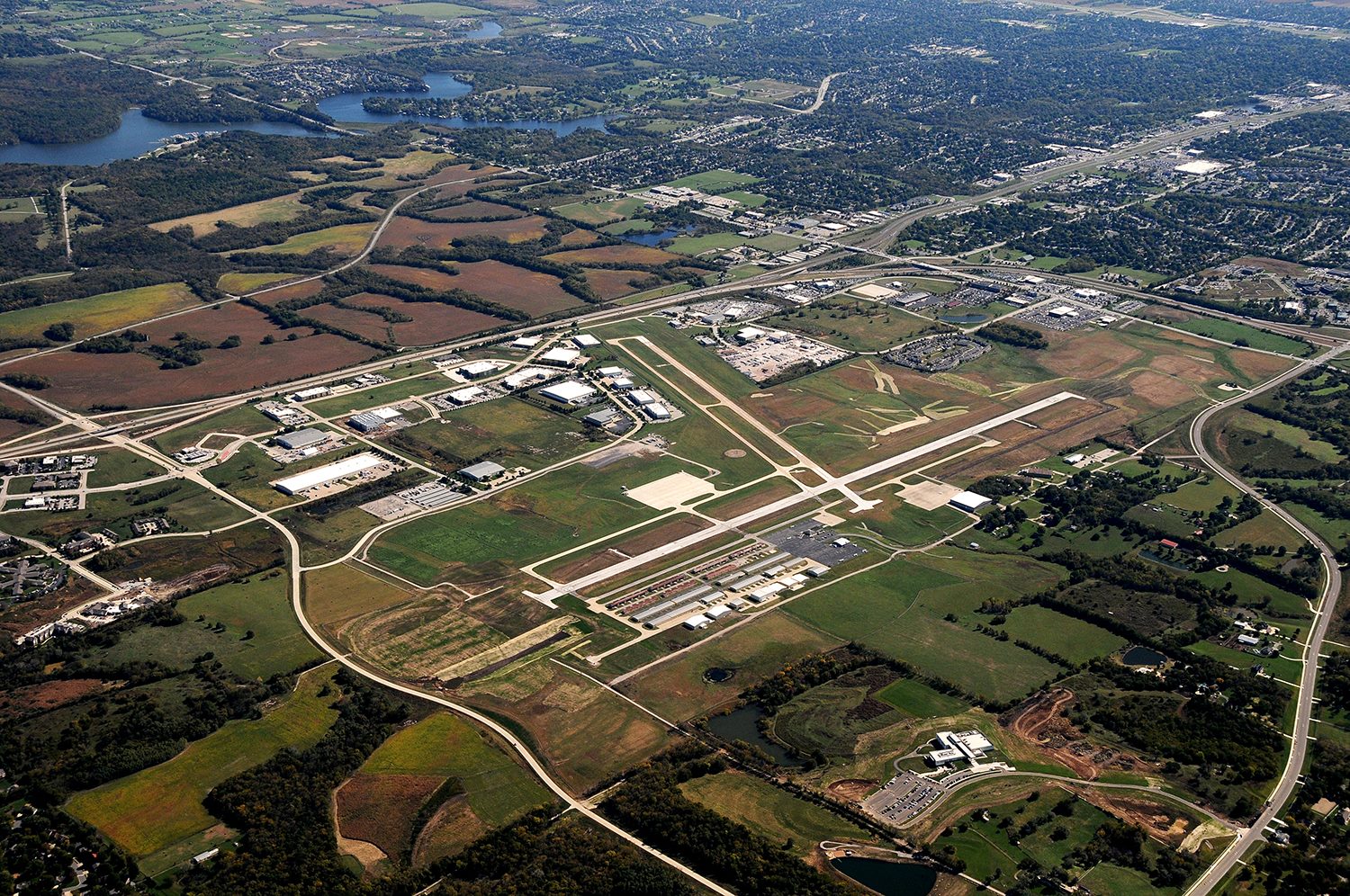
For a pilot who arrives prepared and current, seven days is a realistic plan. At Summit Flight Academy, our multi-engine rating program is designed to be completed in seven days in our Piper PA-30 Twin Comanche at Lee’s Summit Airport (KLXT). Actual completion time varies with weather, aircraft availability, and your progress. Below, we walk through each day of the week, what keeps it on track, what happens when a day slips, and who should plan a longer window.
Why Seven Days Is Enough Under Part 61
The short timeline works because of how the FAA writes the rule. When you add a multi-engine class rating to a pilot certificate you already hold, 14 CFR 61.63 requires an instructor endorsement that you’re competent and proficient, plus a passed practical test. It doesn’t set a minimum number of training hours for that add-on.
So proficiency earns the signoff. Your instructor endorses you when you can fly the tasks to standard, and the examiner checks the same thing. For most pilots adding multi-engine at the same certificate level, there’s also no additional written test to schedule. Our Part 61 multi-engine requirements guide covers the rule in full.
That’s also why how long a multi engine rating takes comes down to you more than the calendar. A pilot whose steep turns, stalls, and slow flight are already sharp spends the week learning the twin. A pilot who’s rusty spends part of it relearning the single-engine basics first.

Your Week in the Twin Comanche, Day by Day
Our multi engine rating training follows one syllabus, and each day builds on the one before it. Here’s how a typical week runs:
| Day | What you do | What you should be able to do by the end |
|---|---|---|
| Day 1 | Ground lesson on multi-engine aerodynamics, ground lesson on PA-30 systems, performance, and limitations, then a simulator session on emergency procedures | Explain Vmc and the engine-failure flow, and run the flow from memory |
| Day 2 | Flight Lesson 1: extensive preflight, systems orientation, takeoffs, landings, slow flight, stalls, steep turns, and an introduction to single-engine operations | Handle the airplane with two engines and fly the basic single-engine drill |
| Day 3 | Flight Lesson 2: engine failures on takeoff and after liftoff, single-engine go-arounds, engine restart, crosswind and short-field work | Manage an engine failure in the phases of flight that matter most |
| Day 4 | Flight Lesson 3: a run-through of every ACS task | Know exactly which tasks still need work |
| Day 5 | Flight Lesson 4: clean-up on the tasks that need it | Fly the weak tasks to standard |
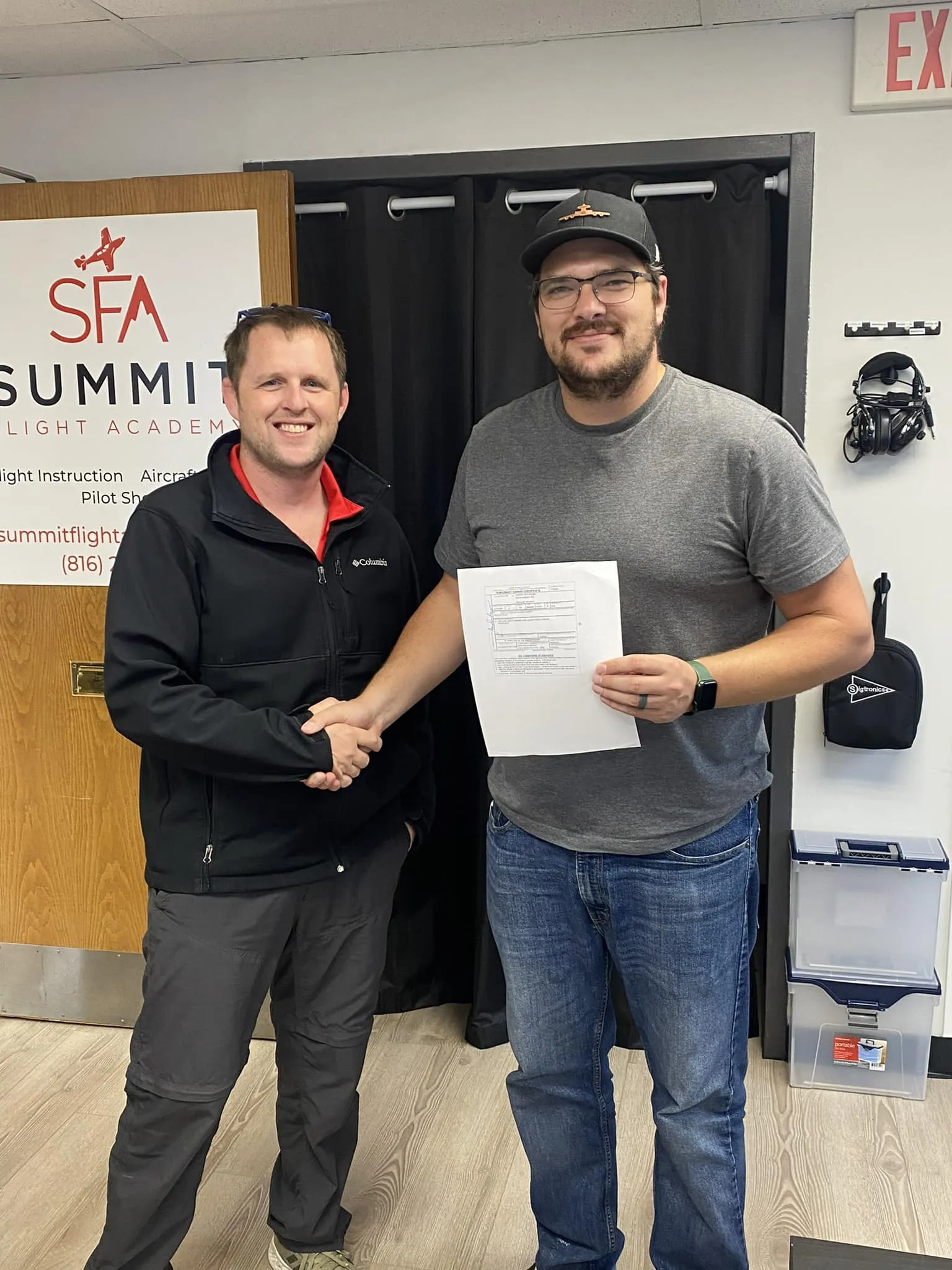
| Day 6 | Mock oral, mock checkride, IACRA, and final endorsements | Pass a full practice checkride |
| Day 7 | Your multi-engine rating practical test with a Designated Pilot Examiner | Earn the rating |
Day 1 is a classroom and simulator day. You cover the aerodynamics and the airplane in ground school, then practice engine failures in the sim before you fly. Our post on moving from a Cherokee to the Twin Comanche describes what that first day in a twin feels like.
Days 2 and 3 are the heavy flying days. Flight Lesson 1 doesn’t expect checkride-level performance yet. It introduces the airplane, the drag demonstration, and the Vmc demonstration, which the FAA’s Airplane Flying Handbook explains in Chapter 13. Flight Lesson 2 opens with a ground discussion of emergency procedures, then puts them in the air.
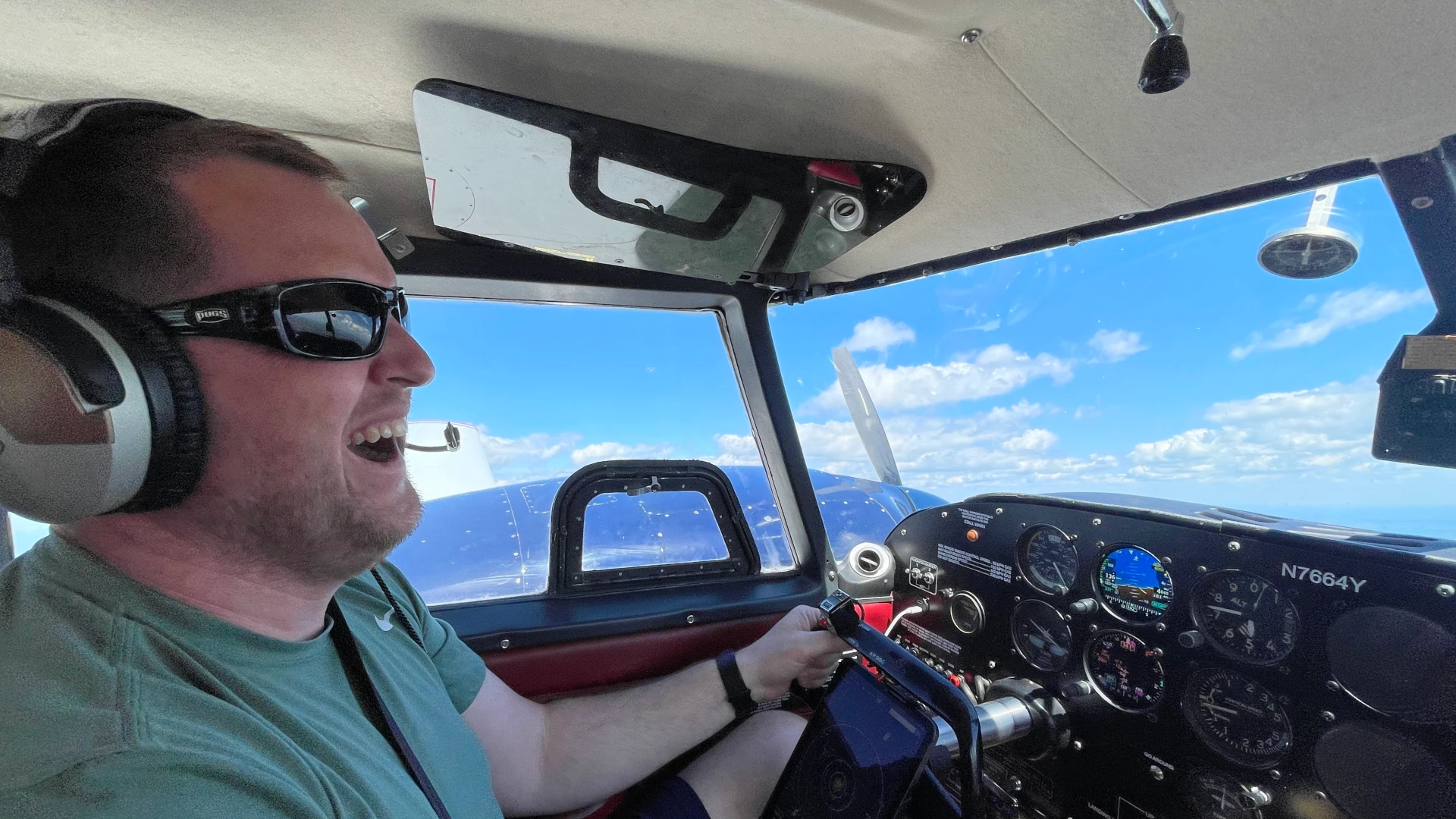
Days 4 and 5 are where the week earns its pace. On Day 4 you fly every task the examiner can ask for, and your instructor circles the ones that aren’t consistent yet. Day 5 is planned by your instructor with your input to fix exactly those tasks. That clean-up day is built-in room, so one shaky maneuver doesn’t push your checkride.
Day 6 is a dress rehearsal. You sit a mock oral on aerodynamics, systems, regulations, weight and balance, and the aircraft logbooks. Then you fly a mock checkride with another instructor acting as the examiner, and you finish the IACRA application and endorsements. By Day 7, the real checkride should feel familiar.
Four Things That Keep the Week on Schedule
A seven-day plan holds when four things line up. You control the first one, and we manage the other three as closely as we can.
1. You arrive prepared and current. The multi-engine checkride repeats single-engine tasks like steep turns, stalls, slow flight, emergency descents, and short-field landings, all flown to the FAA’s Airman Certification Standards. If those are rusty, you’ll spend program hours getting them back. Material you didn’t study before Day 1 turns into extra ground time. Our multi-engine prep checklist tells you exactly what to study and fly first, so we won’t repeat it here.
2. The weather cooperates. Days 2 through 5 are flight days, and a low ceiling or a line of storms can move a lesson.
3. The airplane is ready. A twin has two of everything that can need attention. Our in-house maintenance keeps the Twin Comanche flying, but maintenance can still take an airplane out of the schedule for a day.
4. The examiner is available. Fewer examiners give multi-engine checkrides than single-engine ones, because examiners need experience in each type of airplane. Your checkride is planned for Day 7, and that date anchors the whole week.
If you’re instrument rated, add one more item: come instrument proficient. Your checkride can include single-engine flying by reference to instruments, including an approach. If you’re not current, we can schedule a single-engine Instrument Proficiency Check before your course. An instrument rating is recommended but not required for our program.
What Happens When a Day Slips
Sooner or later something moves. A gray morning, a maintenance squawk, or a task that needs one more try is part of real flying, so the schedule has to be able to absorb it.
When weather or maintenance cost us a lesson, we work with you to adjust the schedule or combine lessons when we can. Some days can hold two lessons, so a lost Tuesday flight can sometimes be made up on Wednesday afternoon. The Day 5 clean-up lesson also gives the week slack, since it isn’t new material.
The hardest piece to move is the checkride. Because multi-engine examiner availability is more limited, a rescheduled Day 7 can take a little longer to land than a single-engine checkride would. When that happens, we replan your training with you and the examiner instead of rushing you into a checkride you’re not ready for.
If you’re traveling in, plan your return so a delay doesn’t force a bad choice. Our multi-engine trip plan covers how much cushion to build into your travel.
Who Should Plan a Longer Window
Seven days fits a lot of pilots. Some situations call for more time. Plan for more time, or a short block of prep before your week, if any of these sound like you:
- Your single-engine flying is rusty. We can set up a single-engine refresher before your week. A refresher in a single can lower your total cost compared with regaining proficiency on program hours in the twin.
- You’re instrument rated but out of practice. Schedule the single-engine IPC first, so instrument work doesn’t stall your checkride. Our instrument rating program instructors can fly it with you.
- You can’t study before you arrive. If work leaves no time to learn the aerodynamics and the PA-30 ahead of Day 1, expect extra ground time during the week.
- You want to keep going to MEI. Our package includes an optional continuation into MEI training, which naturally adds time after the rating.
For career-track pilots, the bigger question is when the rating fits your sequence. Our post on how multi-engine training fits a professional pilot career helps you time it.
On cost, our package starts at $4,950 and includes up to 8.5 hours of flight time in the Twin Comanche, simulator time, instructor services with checkride prep, and non-owned insurance. Our multi-engine cost guide breaks down what drives the total. If you’d rather spread the cost out, our financing options cover the lenders we work with.
Frequently Asked Questions
How long does a multi-engine rating take?
At Summit, the program is designed to be completed in seven days, from the first ground lesson to the checkride. Weather, aircraft availability, and your progress can move it. Our multi-engine FAQ answers more scheduling questions.
Is there a minimum number of hours for a multi-engine add-on?
No. Under 14 CFR 61.63, adding a class rating has no specified training-time minimum. You need an instructor endorsement for proficiency and a passed practical test. Our package includes up to 8.5 hours in the Twin Comanche.
What if the weather cancels a flight during my week?
We adjust the schedule or combine lessons when we can, and some days can hold two lessons. Our trip plan explains how to plan your travel around that.
Can I do accelerated multi-engine training if I’m not instrument rated?
Yes. An instrument rating is recommended but not required for our program. If you’re thinking about adding it first, our instrument rating program is the place to start.
What should I do before my seven days start?
Study the aerodynamics, the PA-30 systems, and the engine-failure flow, and fly your single-engine maneuvers to standard. Our prep checklist lays it all out.
Can I keep flying the Twin Comanche after my checkride?
Yes. Graduates may rent our Twin Comanche, subject to checkout and currency requirements, and special conditions will apply. Our guide to staying current in a twin covers what comes next.
Plan Your Seven Days With Us
A seven-day multi-engine rating is realistic when you arrive ready and the week has room to absorb a slip. Our syllabus gives you that room, and our team helps you pick a week that fits the season, the examiner’s calendar, and your own readiness. When you’re ready to choose your dates, start planning your multi-engine rating week with Summit Flight Academy.