Multi-Engine Rating Training Prep Checklist for 2026
Published by:
Summit Flight Academy Team
Published on:
Updated on:
Read time:
9 min read
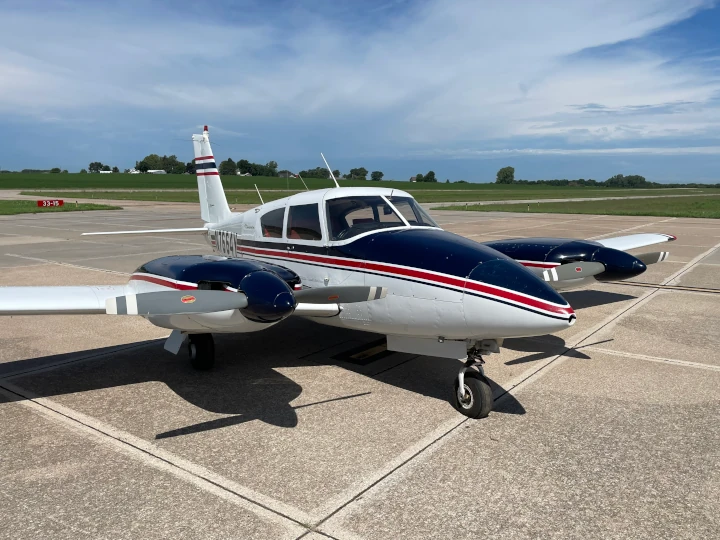
Two weeks before your training week, the Twin Comanche’s POH is open on your kitchen table with a highlighter in the spine. You’ve got flashcards for the red line and the blue line, a practice weight and balance half finished, and a nagging question about whether there’s a written test you forgot to schedule.
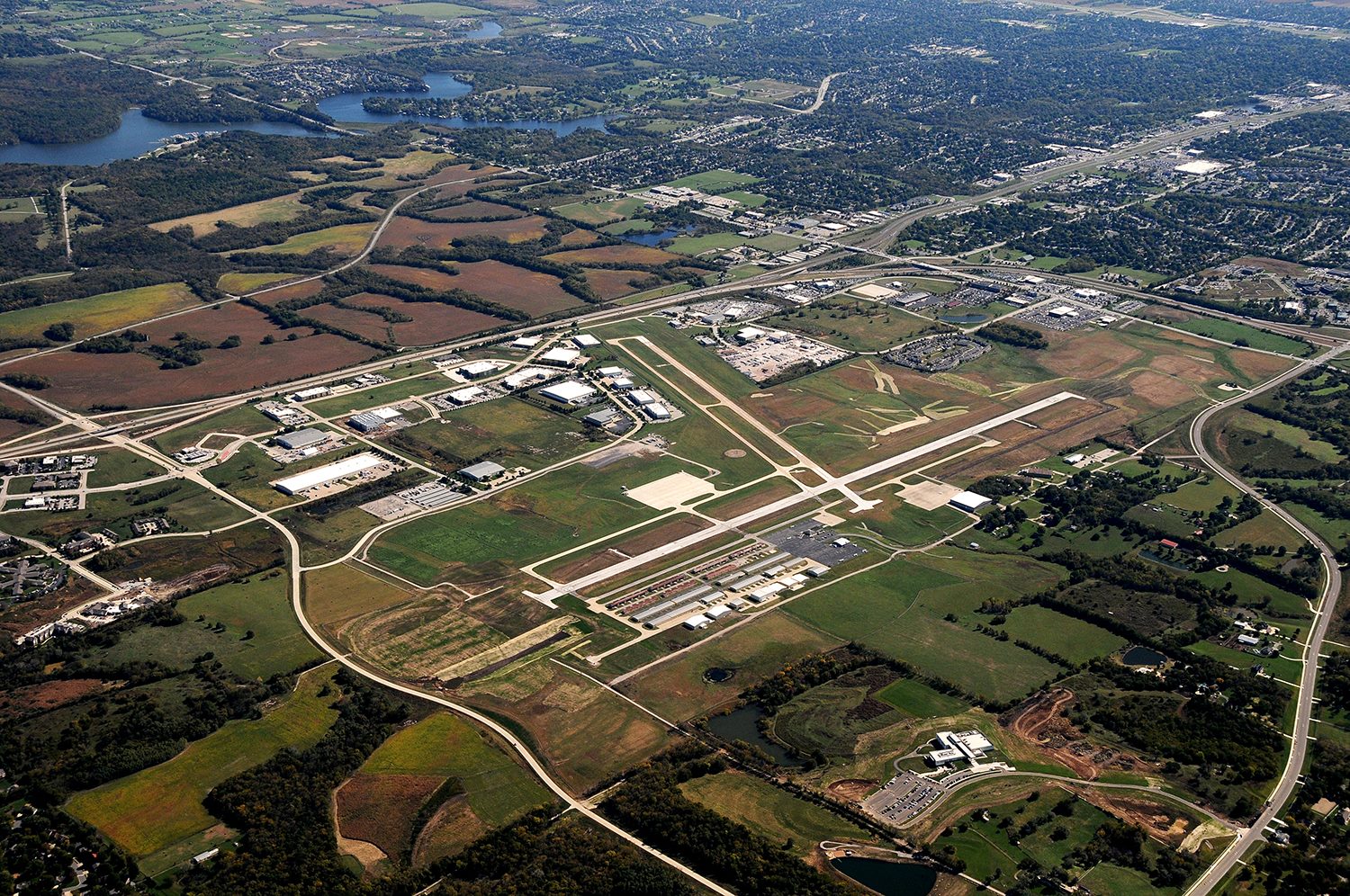
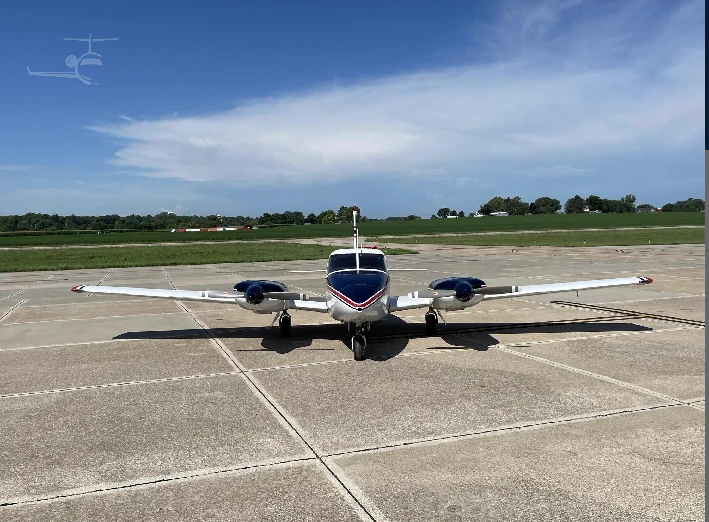
Multi engine rating training goes fastest for the pilot who arrives having already studied the aerodynamics, the airplane, and the emergency flows, and who can still fly single-engine maneuvers to checkride standards. At Summit Flight Academy, our multi-engine rating program runs seven days in our Piper PA-30 Twin Comanche at Lee’s Summit Airport (KLXT), so every hour you study at home is an hour you get back for flying. This checklist covers what to study, what to practice, and what to settle before Day 1.
Is There a Multi-Engine Written Exam? For Most Add-On Pilots, No
For many pilots, the answer is no: adding a multi-engine class rating to a certificate you already hold usually doesn’t require another FAA knowledge test. Under 14 CFR 61.63, a pilot adding a class rating needs an instructor endorsement and must pass the practical test, and doesn’t need an additional knowledge test when they already hold an airplane rating at that certificate level.
So a private pilot with airplane single-engine land who adds multi-engine at the private level skips the written. The same goes for a commercial pilot adding it at the commercial level. We’ll confirm what applies to your certificate path before you schedule, and our Part 61 multi-engine requirements guide covers the rest of the rule.
Don’t read “no written” as “no studying.” Your checkride starts with an oral exam on multi-engine aerodynamics, systems, and procedures, and the examiner expects you to explain why, not just recite. If you want a refresher on how FAA knowledge testing works in general, our post on demystifying the written exam is a good primer.
Your Before-Day-One Checklist at a Glance
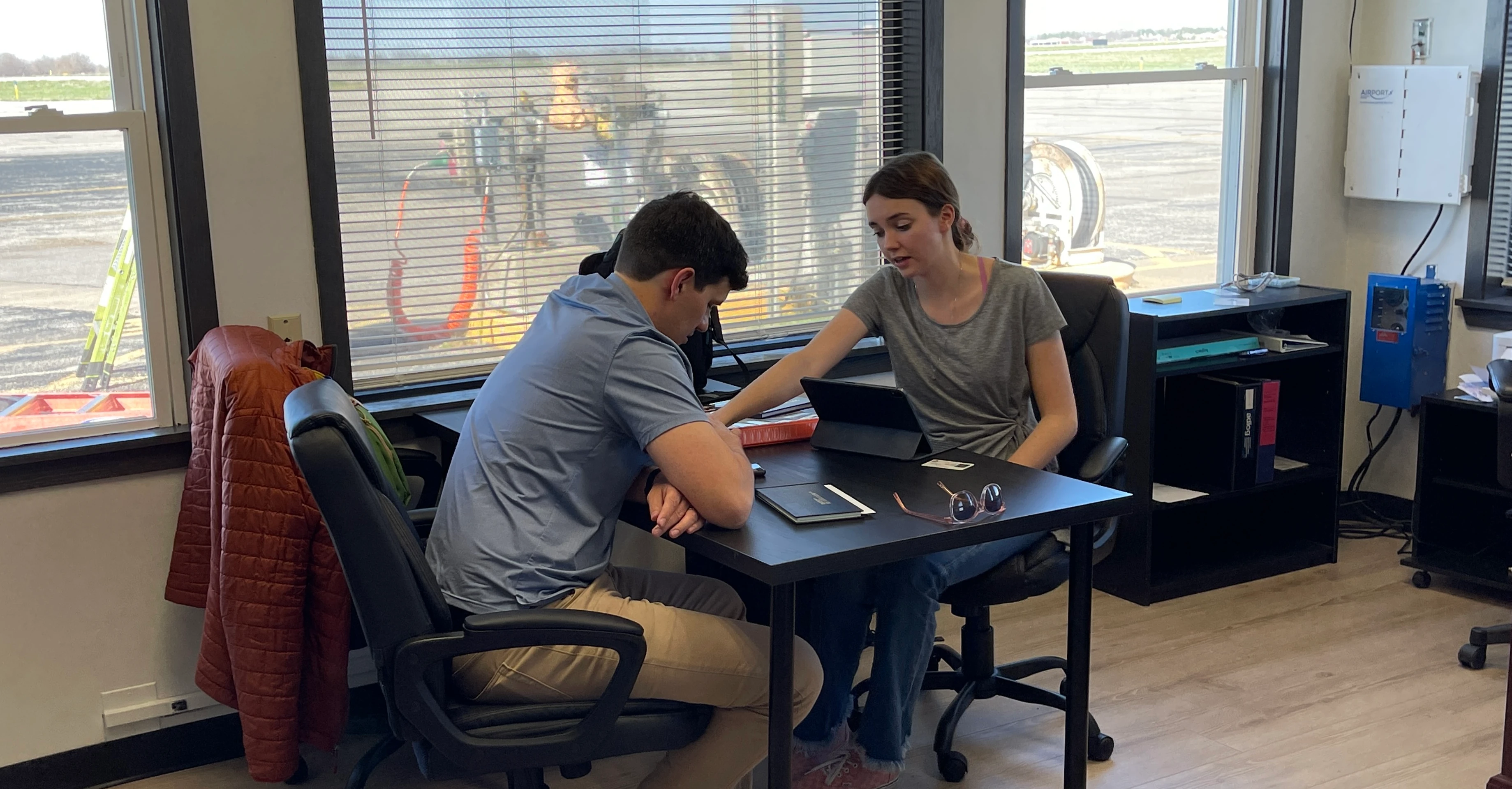
Our add-on study guide lays out the pre-work, the study materials, and the full syllabus. You can download it from our multi-engine resources page. Here’s the same preparation as a checklist you can work through in the weeks before your start date:
| Prep item | What to do before Day 1 | How it helps your week |
|---|---|---|
| Multi-engine aerodynamics | Learn Vmc, what moves it, the critical engine concept, Vyse, and single-engine performance | Ground lessons become review instead of first exposure |
| PA-30 systems and avionics | Read the POH and our checklists, memorize the key V-speeds, learn the Garmin avionics | Your first flight is about flying, not finding switches |
| Weight and balance and performance | Work practice problems, including accelerate-stop distance | You can answer the oral questions with your own numbers |
| Engine failure flow | Memorize the memory items through “identify, verify, feather” | Your hands and feet already know the order |
| Single-engine proficiency | Fly steep turns, stalls, slow flight, emergency descents, and short-field landings to ACS standards in a Private Pilot training airplane | The multi checkride repeats these tasks |
| Instrument proficiency | If you’re instrument rated, get current or schedule an IPC with our Instrument Rating instructors | Single-engine work by reference to instruments can be on your checkride |
| Program and paperwork | Confirm your week in the Multi-Engine Rating program and pack using our trip plan | Nothing on the ground slows Day 7 |
For the documents and gear to bring, our multi-engine trip plan has the full packing list, so we won’t repeat it here.
Learn Vmc Well Enough to Explain What Moves It
Start with Vmc, the red line: the minimum control speed with the critical engine inoperative. Below it, you may not be able to keep the airplane straight with one engine out. Most pilots can recite that definition. Fewer can explain why Vmc isn’t a fixed number, and that’s what your instructor and your examiner will probe.
The FAA’s Airplane Flying Handbook lists the conditions that raise Vmc: an aft center of gravity, a lighter airplane, landing gear up, a windmilling prop on the dead engine, and more power on the good one. Published Vmc also assumes up to 5 degrees of bank toward the operating engine. Hold the wings level and you can lose directional control well above the red line.
Then learn the speeds around it. Vyse, the blue line, is the best rate of climb with one engine inoperative. Vxse is the best angle of climb on one engine, and Vsse is the slowest speed at which an instructor should intentionally fail an engine in training. Know the critical engine concept too: it’s the engine whose failure hurts controllability the most. Learn the factors behind it, and our ground school will cover how they apply to our airplane.
Chapter 13 of that handbook, “Transition to Multiengine Airplanes,” is on our study list. If you read one thing before you arrive, read that chapter twice. Our post on moving from a Cherokee to the Twin Comanche explains why losing one engine costs most of your climb, not half of it.
Study the Twin Comanche Before You Sit in It
Day 1 covers PA-30 systems in ground school, and it goes far better when you’ve already read about them.
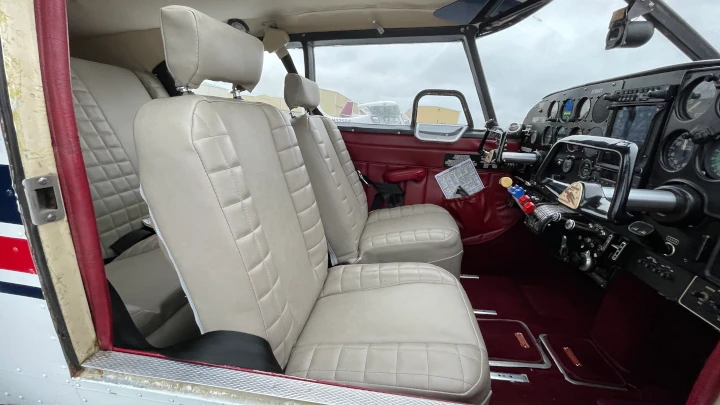
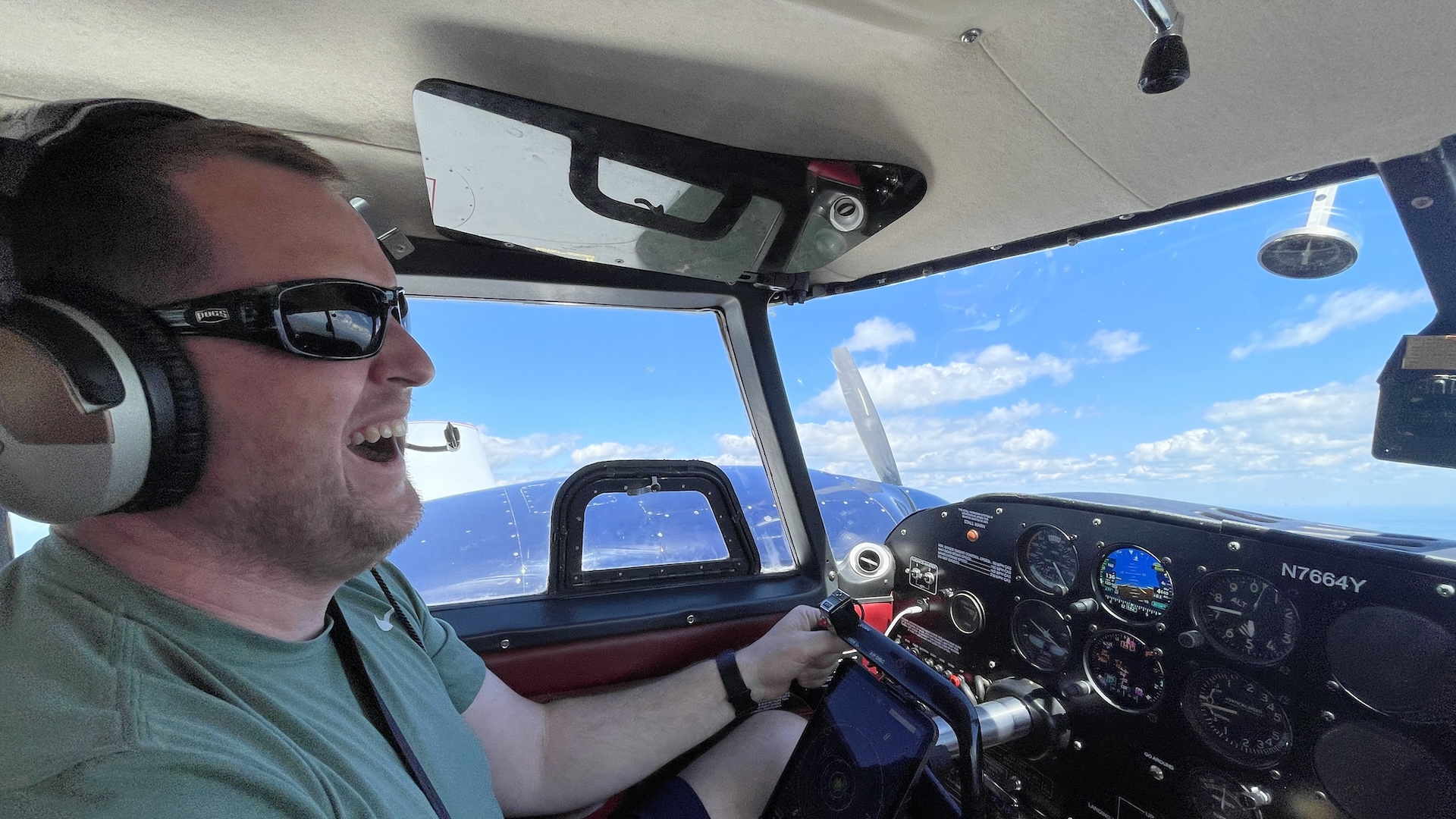
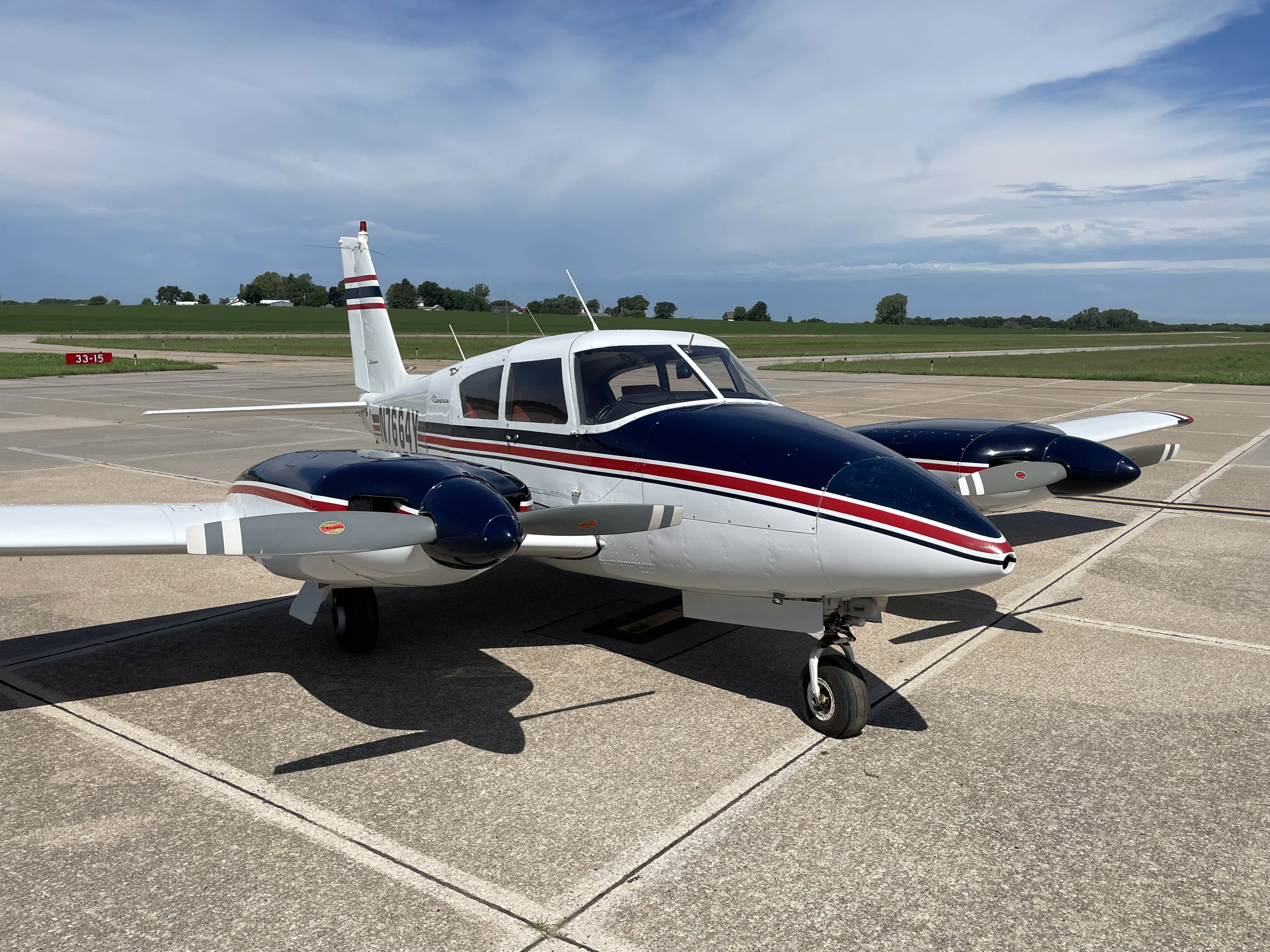
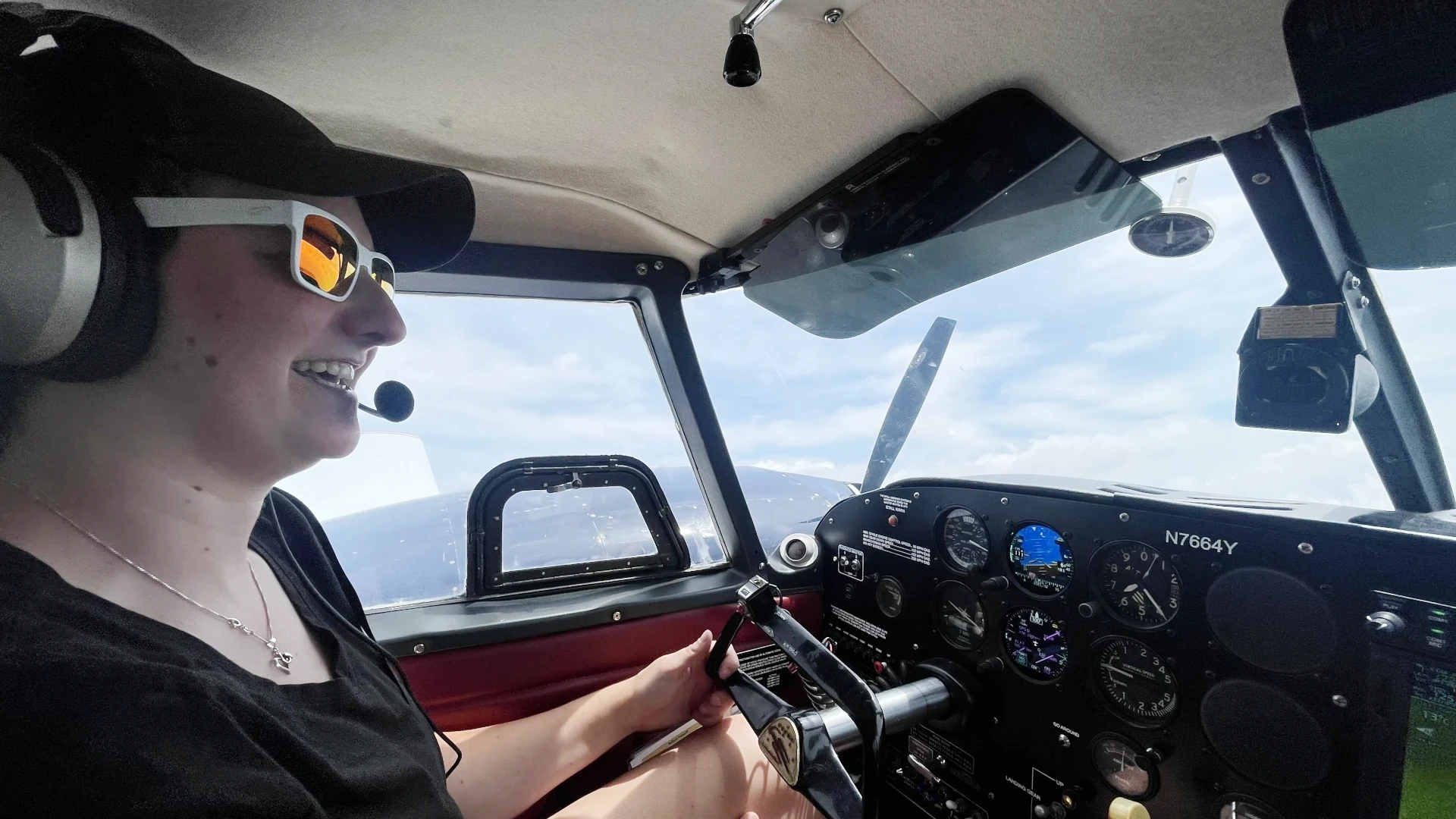
Work through the POH and our PA-30 checklists by system: fuel, powerplant, flight controls, and landing gear, including how the emergency gear extension works. Then spend time with our Twin Comanche’s Garmin avionics and autopilot. The pilot guides and practice apps for those units let you learn button sequences at home instead of in the air. You can see N7664Y’s cockpit on our Twin Comanche fleet page.
Learn the constant-speed prop basics too, plus what prop synchronization is for. If you trained in our fixed-gear, fixed-pitch PA-28s, the gear handle and prop levers are new, and a few evenings with the POH make them familiar before you touch them.
Work the Numbers: Weight and Balance and Single-Engine Performance
The FAA handbook is direct about this: a twin’s loading options make weight and balance more complex, and the pilot has to address it before every flight. Practice with our N7664Y weight and balance data. Run it for yourself and your instructor with full fuel, then add a passenger and some bags, and watch where the center of gravity moves. Remember that an aft CG raises Vmc.
Then open the performance charts and learn the terms the oral will use. Accelerate-stop distance is the runway needed to accelerate to a specified speed, lose an engine, and stop. Accelerate-go distance is what it takes to keep going and climb to 50 feet after that same failure. The single-engine service ceiling is the altitude where the airplane can no longer climb 50 feet per minute on one engine.
Work a few problems for a hot summer day at KLXT. You want to understand what the chart is telling you about your margins before the examiner asks. Our multi-engine FAQ page covers more of the questions pilots ask before they start.
Say the Engine-Failure Flow Out Loud Until It’s Boring
The engine failure checklist starts with memory items, and in a twin they end with three words: identify, verify, feather. “Dead foot, dead engine” helps you identify the failed side. You verify by pulling back the throttle you think has failed. Then you feather that prop and hold blue line.
Memorize the flow at home. Say it on the drive to work. Chair-fly the takeoff brief, too: what you’ll do if an engine quits on the runway and what you’ll do after liftoff. The handbook recommends a pre-takeoff safety brief even when you’re flying alone, because indecision costs reaction time.
Our first day includes a simulator session on engine failures before you fly the airplane. You’ll get more out of it if the words already come out in order. Our post on why flight simulators matter in pilot training explains how that practice carries over.
Fly Your Single-Engine Maneuvers to ACS Standards First
The multi-engine checkride is flown to the FAA’s Airman Certification Standards, and it repeats tasks you already know: steep turns, stalls, slow flight, emergency descents, and short-field landings. If those are rusty in a single, they won’t get sharper in a faster airplane with two engines to manage.

Book a session or two before your week and fly them to ACS standards. If you’d like help, we can set up a single-engine refresher first. A refresher in a single can lower your total cost compared with regaining proficiency on program hours in the twin.
If you hold an instrument rating, come instrument proficient. Your checkride can include flying on one engine by reference to instruments, including an approach. If you aren’t current, we can schedule a single-engine Instrument Proficiency Check before your course. An instrument rating is recommended but not required for our program.
Plan the money side early as well. Our package starts at $4,950 and includes up to 8.5 hours in the Twin Comanche, simulator time, instructor services with checkride prep, non-owned insurance, and an optional continuation into MEI training. Skipping the pre-work can mean extra ground or flight time on top of that. The week is built around seven days, though weather, maintenance, and your progress can shift it. If you’d rather spread the cost out, our financing options cover the lenders we work with.
Frequently Asked Questions
Is there a written test for the multi-engine rating?
For many pilots, no. If you’re adding multi-engine at the same certificate level as an airplane rating you already hold, 14 CFR 61.63 doesn’t require another knowledge test. You still need an instructor endorsement and the practical test. Our Part 61 requirements guide explains the details.
How long should I study before multi-engine training?
There’s no set number of hours. Give yourself a few weeks to read the POH and Chapter 13 of the Airplane Flying Handbook, memorize the V-speeds and the engine failure flow, and work practice weight and balance problems. Our multi-engine resources page has the study guide to work from.
Do I need to be current in a single-engine airplane first?
Yes, in practice. The multi-engine checkride repeats single-engine maneuvers like steep turns, stalls, and slow flight. If yours are rusty, we can set up a refresher in one of our single-engine Pipers before your week.
Do I need an instrument rating before multi-engine training?
No. It’s recommended but not required for our program. If you are instrument rated, arrive current, because your checkride can include instrument work on one engine. Our instrument rating program can help you get there.
What if I show up unprepared?
You can still train, but the week gets tighter. Material you didn’t study turns into extra ground time, and rusty maneuvers can use program hours. Our multi-engine FAQ covers how the schedule can shift.
Where can I find multi engine flight training near me?
We train at Lee’s Summit Airport (KLXT), southeast of Kansas City, and many pilots travel in for the week. Our multi-engine trip plan covers booking, lodging, and what to pack.
Book Your Week With the Homework Already Done
A short multi-engine program rewards the pilot who shows up ready to fly. Work through the checklist, download the study guide, and fly your single-engine maneuvers to standard before Day 1. Then the week at KLXT goes to the Twin Comanche. When you’re ready to pick your dates, start your multi-engine rating training with Summit Flight Academy.