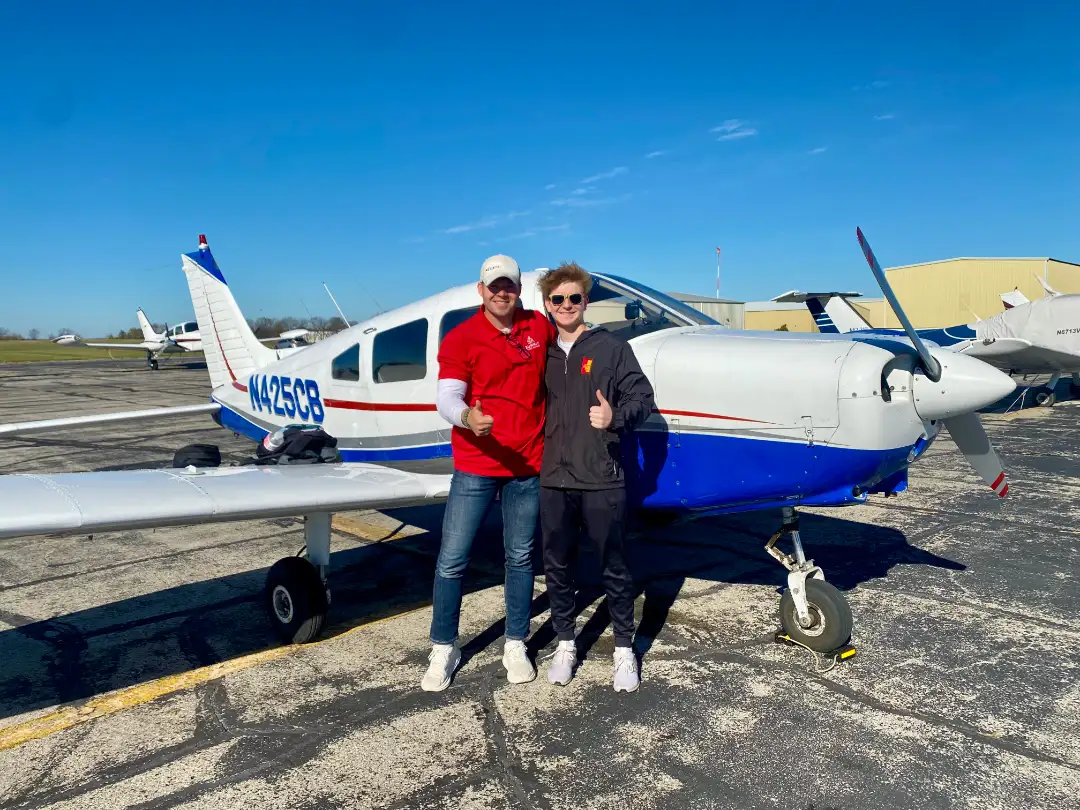
Multi-Engine Training Near Kansas City in 2026
The complete guide to earning your multi-engine rating in our Piper Twin Comanche at Lee's Summit Airport, from prerequisites to checkride day and the flying that comes after.
Explore the Multi-Engine RatingWhat Multi-Engine Training Involves and Where to Find It
Multi-engine training teaches a pilot who already flies single-engine airplanes to handle an airplane with two engines, including what to do when one of them quits. You finish with a multi-engine rating added to the pilot certificate you already hold. Most of the new work is engine failures, a speed called Vmc, and staying ahead of an airplane with more levers and more speed.
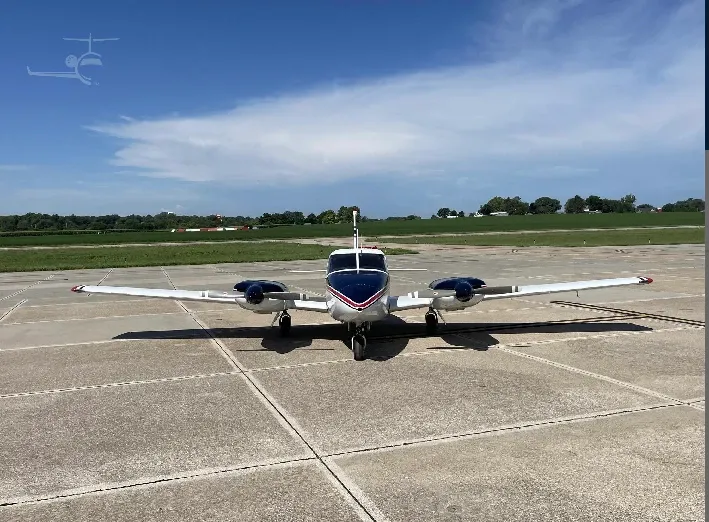
If you've been searching multi engine training near me from Kansas City, Missouri, or Kansas, you'll find Summit Flight Academy at Lee's Summit Airport (KLXT), southeast of Kansas City. We train multi-engine students in our Piper PA-30 Twin Comanche, N7664Y, on a program designed to be completed in seven days.
This guide covers every stage and links to the article that goes deeper on each one, so you can plan your rating in the right order. For quick answers, see our multi-engine FAQs and our Twin Comanche training FAQs.
5 Steps to Your Multi-Engine Rating in the Twin Comanche
Every pilot adding multi-engine follows the same basic path. Here it is in the order you'll work through it with us.
- 1 Confirm You're Ready to Start
- You need a private pilot certificate with an airplane single-engine land rating and a current FAA medical, at least third class. An instrument rating is recommended, though not required.
- 2 Do Your Homework Before Day One
- Study Vmc, Twin Comanche systems, and the engine-failure flow, and fly your single-engine maneuvers until they're sharp. Our multi-engine prep checklist lists what to study first.
- 3 Book Your Week, Then Your Travel
- Pick your training week with us first, then book hotels and travel around it. Our multi-engine trip plan covers the rest.
- 4 Train Seven Days in the Twin Comanche
- Ground lessons and a simulator session come first, then flight lessons that build to a mock checkride. See how the seven days work.
- 5 Pass Your Checkride and Keep Flying
- A Designated Pilot Examiner tests you on the ground and in the air. After that, graduates may rent our Twin Comanche, subject to checkout and currency.
By beginning training with us, you'll soon be up in the air on your own, and closer to succeeding in your aviation goals than ever before.

The Stakes
Where Multi-Engine Students Lose Time and Money
Arriving rusty costs you package hours. The package includes up to 8.5 hours of flight time, and every hour spent relearning steep turns or slow flight is an hour taken from engine failures. If your single-engine flying needs work, we can set up a refresher before your week starts.
The calendar can trip you up too. Book flights and hotels before your training week is set, and a lesson that moves for weather or maintenance can leave you stuck. Fewer examiners give multi-engine checkrides, so a checkride that moves can take longer to rebook. Leave room in your return plans.
Distance alone is a poor way to pick a school.
The Twin Comanche
Why You'll Train in a Real Light Twin: Our PA-30 Twin Comanche
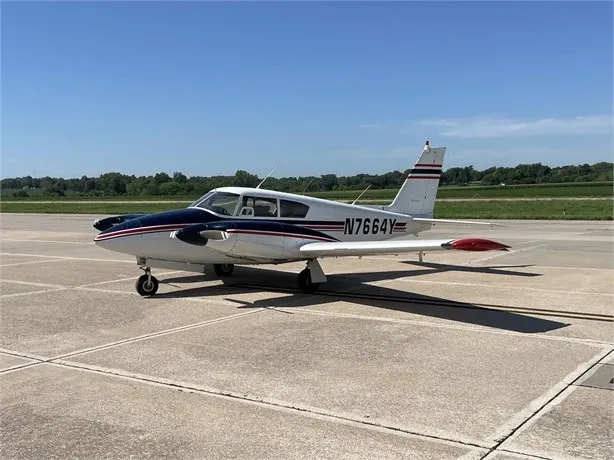
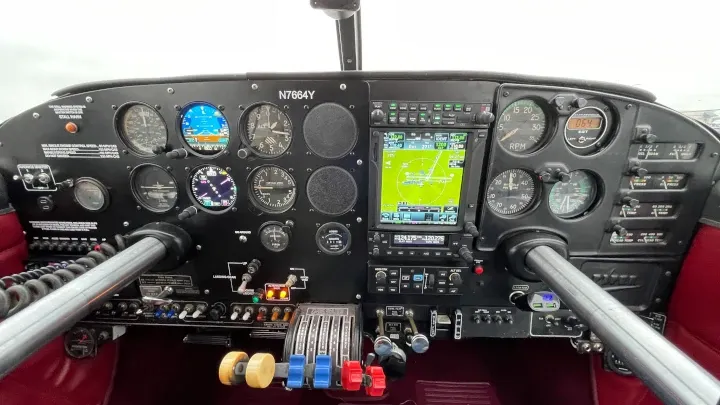
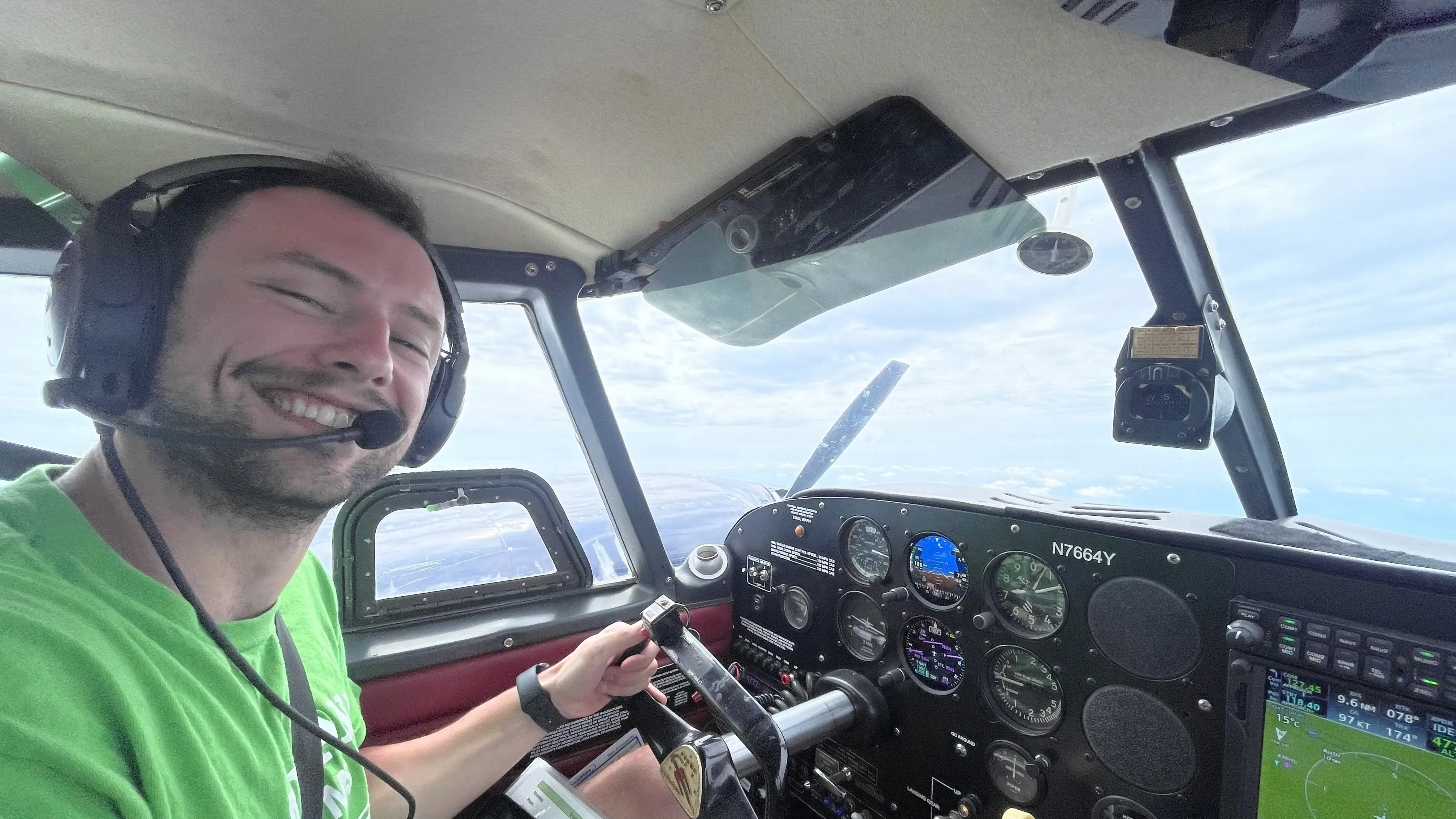
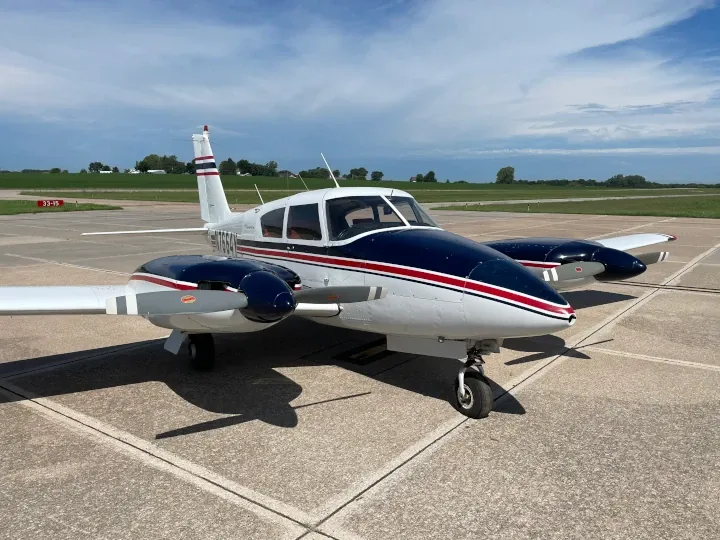
Our multi-engine trainer is a Piper PA-30 Twin Comanche, tail number N7664Y. It's a real light twin, the kind pilots actually own and fly.
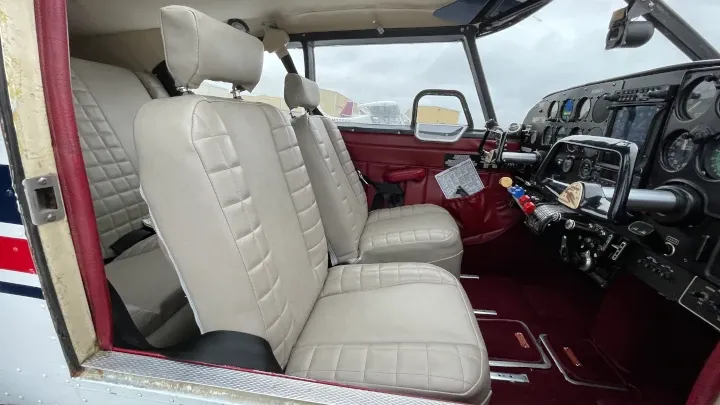
Sit in the left seat and you'll find six engine levers: two throttles, two propeller controls, and two mixtures. The PA-30 has two Lycoming engines, constant-speed propellers you can feather, and retractable gear, with Garmin avionics and autopilot in the panel. If you learned in a fixed-gear trainer with one throttle, that's a big step, and our post on moving from a Cherokee to the Twin Comanche walks through each change.
The biggest change is what happens when an engine fails. The FAA's Airplane Flying Handbook notes that losing one engine costs about half your power but can cut climb performance by 80 to 90 percent or more, which is why so much of your training goes to engine failures. You can see the airplane and its panel on our N7664Y fleet page.
Who It's For
Who the Multi-Engine Rating Is For and What You Need to Start
The rating fits pilots who want to fly a twin, pilots on a professional path, and instructors heading toward the MEI. If you hold a private or commercial certificate and want more airplane, it's the next class rating to add.
To start our program, you need a private pilot certificate with an airplane single-engine land rating, a current FAA medical certificate (at least third class), and proof of U.S. citizenship or TSA approval if you're a foreign student. Bring a logbook that shows recent flight experience.
An instrument rating is recommended but not required. Instrument skills help because a twin adds systems, asymmetric thrust, and faster decisions to your workload. Either way, arrive current and comfortable with single-engine procedures so your week can go to the twin.
Part 61 Requirements
Part 61 Sets No Minimum Hours for a Multi-Engine Add-On
Part 61 is the set of FAA rules most flight schools, including ours, train under. For adding a class rating, 14 CFR 61.63 sets no minimum number of training hours. You need an authorized instructor's endorsement that you're proficient, then you pass the practical test, called the checkride.
Most pilots adding multi-engine to a certificate where they already hold an airplane rating don't take an FAA written test. Your checkride endorsement also has to show training logged in the two calendar months before the month of your test, so plan to fly with our instructor before you're signed off.
You fly the checkride to the Airman Certification Standards (ACS) for the certificate you hold, private or commercial, including multi-engine tasks such as the Vmc demonstration. Our Part 61 multi-engine requirements guide covers the rule in detail.
The 7-Day Path
How the Seven-Day Program Builds to Checkride Day
Our program is designed to be completed in seven days. Actual time depends on weather, aircraft availability, and your progress. When weather or maintenance gets in the way, we adjust the schedule or combine lessons when possible.
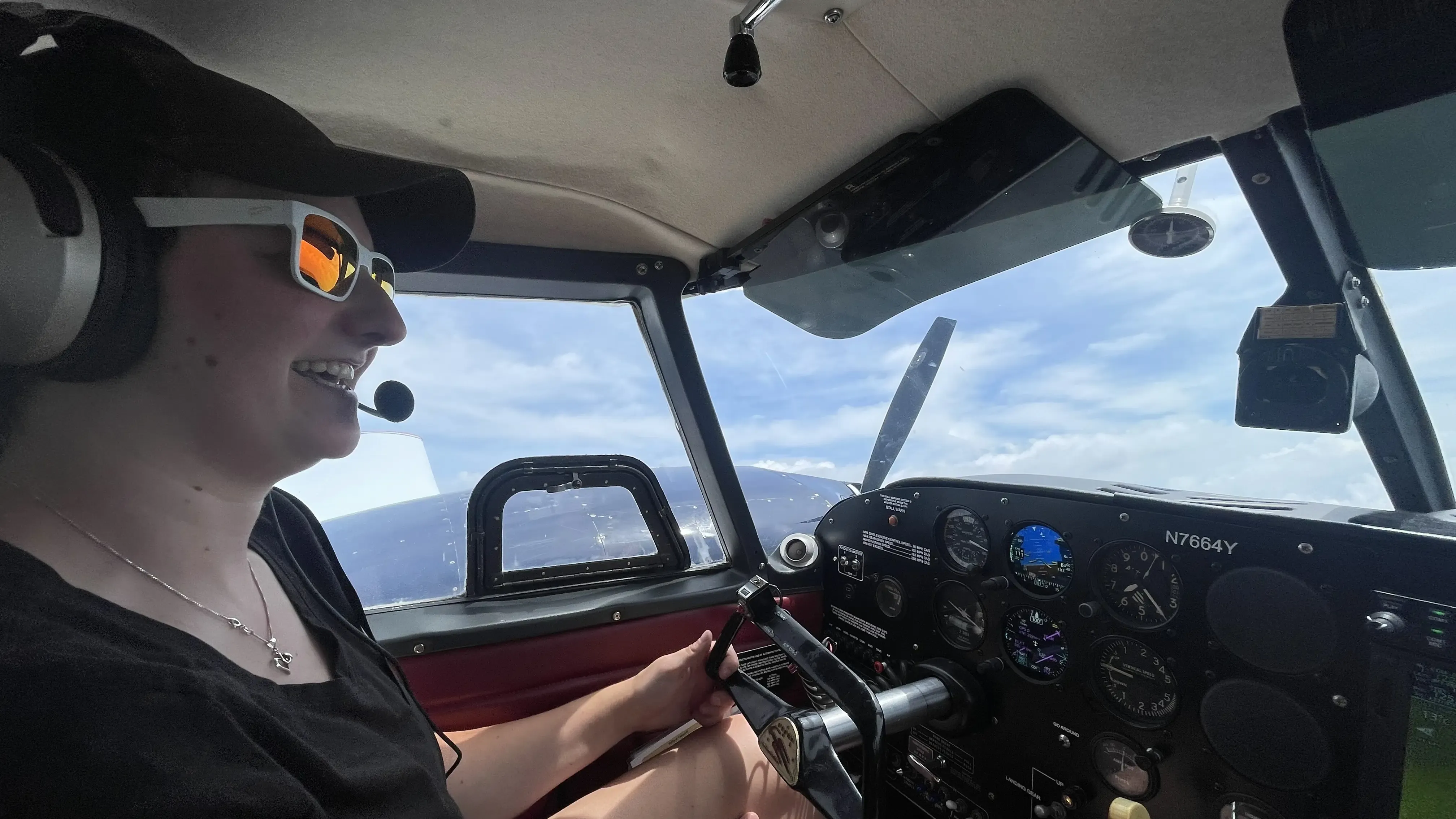
A typical week starts with two ground lessons (multi-engine aerodynamics, then PA-30 systems, performance, and limitations) and a simulator session on emergency procedures. The next four days are flight lessons: orientation, emergency operations, a run-through of every ACS task, and a clean-up flight aimed at whatever that run-through turned up.
Day 6 is a mock oral and a mock checkride flown with another instructor acting as examiner, plus your IACRA application and endorsements. Day 7 is the checkride. Our seven-day reality check walks through each day and who should plan a longer window.
Cost and Financing
What the Multi-Engine Package Covers and What to Budget Beyond It
Our multi-engine package starts at $4,950. It includes up to 8.5 hours of flight time in the Twin Comanche, simulator time, instructor services with checkride prep, non-owned insurance, and optional continuation toward MEI training.
Travel, lodging, and meals sit outside the package, so add your trip, your hotel nights, and food for the week. Pilots who skip the pre-study or arrive rusty can need extra time. Examiner fees vary, so ask us what your week includes before you book. Our multi-engine cost guide lists the questions worth asking any school.
If you'd rather not pay all at once, financing may be available to qualified applicants through the lenders we work with. See our financing page and start early, so your funding is in place before you travel.
Traveling In
Plan Your Trip to KLXT Around Your Training Week
Coming from elsewhere in Missouri, Kansas, or farther? Set your training week with us first. Then book travel and lodging around it, and leave some room in your return plans in case weather moves a day.
Contact us about lodging when you set your dates, and we can give you the best suggestions for where to stay near the airport. If you're flying commercially, you'll land in Kansas City and need a ride or a car to Lee's Summit.
Pack your pilot certificate, medical, government ID, logbook, headset, and study materials, plus citizenship or TSA documents if they apply. Our trip plan for flying in covers cushion days, packing, and getting to KLXT.
The Checkride
What the Examiner Tests on Your Multi-Engine Checkride
Your checkride is given by a Designated Pilot Examiner (DPE), a pilot the FAA authorizes to give practical tests. The oral covers multi-engine aerodynamics, Vmc, Twin Comanche systems, regulations, emergency procedures, and risk management. Expect to explain what makes Vmc move and how you'd handle an engine failure in each phase of flight.
In the air, you fly the required maneuvers to ACS standards, with the weight on safe single-engine operations and emergency procedures. If you're instrument rated, come proficient on instruments, since your checkride can include single-engine work by reference to instruments. We can set up an instrument proficiency check (IPC) in one of our single-engine airplanes before your week if you need one.
Our multi-engine prep checklist covers what to study, and our free add-on study guide is on our multi-engine resources page. Coming in with that homework done lets your week go to flying.
After the Rating
Where the Multi-Engine Rating Takes You After the Checkride
Graduates of our program may rent our Twin Comanche, subject to checkout and currency requirements, and special conditions apply. Passenger-carrying currency is tied to category and class, so single-engine landings don't keep you current to carry passengers in a twin. Our guide to staying current in a twin explains how to plan for it.
If you instruct, the MEI is the natural next rating. It needs a flight instructor certificate, a multi-engine rating on your commercial certificate, and at least 15 hours as pilot in command in multi-engine airplanes. To teach toward a rating in a twin, you also need at least 5 hours as pilot in command in that make and model. Our flight instructor requirements FAQs cover the CFI, CFII, and MEI steps.
The multi-engine rating is a common step on the airline-track path, which builds toward the 1,500 hours a standard ATP certificate calls for. It doesn't guarantee a job or create restricted ATP eligibility by itself. Our article on how multi-engine training fits a professional pilot career covers when to add it.
Why Summit Flight Academy
Why Pilots Travel to KLXT for Their Multi-Engine Rating
You train in one structured week at KLXT, with ground lessons, a simulator session, and flights planned before you arrive. A mock oral and a mock checkride with a second instructor come before the real one, so checkride day isn't the first time someone else grades you.
Both of our founders, Jeremy Davis and Levi Self, hold CFI, CFII, and MEI ratings. Our fleet is maintained in-house, with Levi, an A&P mechanic, overseeing the work. We train under Part 61 with no fixed cohort calendar, and we're open seven days a week.
After the checkride, you can keep flying the same Twin Comanche you trained in, subject to checkout and currency, and the package includes optional continuation toward the MEI. If one focused week fits your schedule, our multi-engine rating program has the dates and package details.
Start Your Multi-Engine Training
Multi-Engine Flight Training Near Kansas City
Summit Flight Academy trains multi-engine students in our Piper Twin Comanche at Lee's Summit Airport (KLXT), serving pilots across the Kansas City metro, Missouri, Kansas, and beyond.
- Take a Discovery Flight
- The best way to see if flying is right for you is to take a discovery flight. This brief introductory flight, led by one of our seasoned instructors, offers a first hand glimpse into the world of piloting. During this experience, you'll take the controls of the plane, acquaint yourself with maneuvers, and view the Kansas City from a new perspective.
- Start Flight Training
- The first step in your aviation journey is obtaining your private pilot certificate. This allows you to be pilot in command (PIC) of an aircraft and take passengers with you. Our team of experienced instructors will work with you to craft a training regimen that perfectly suits your goals, schedule, and preferred learning style. Get your private pilot certificate at Summit Flight Academy.
- Advanced Flight Training
- Expand your aviation knowledge and skills through a diverse range of advanced courses and certifications. From instrument training to multi-engine training, commercial training, and beyond, Summit offers a selection of advanced training options.
- Start Your Pilot Career
- Begin your pilot career with Summit Flight Academy. We offer training to get your commercial pilot certificate - the level required to fly aircraft commercially and make money flying. This certificate can be extended into becoming a CFI or CFII with us too!
Multi-Engine Training FAQs
Frequently Asked Questions About Multi-Engine Training Near Kansas City
Still have a specific question?
Our senior instructors are happy to discuss your specific goals and flight training timeline.
Schedule a Discovery Flight