Twin Comanche vs Seminole: Which Twin Trainer Fits You in 2026?
Published by:
Summit Flight Academy Team
Published on:
Updated on:
Read time:
8 min read
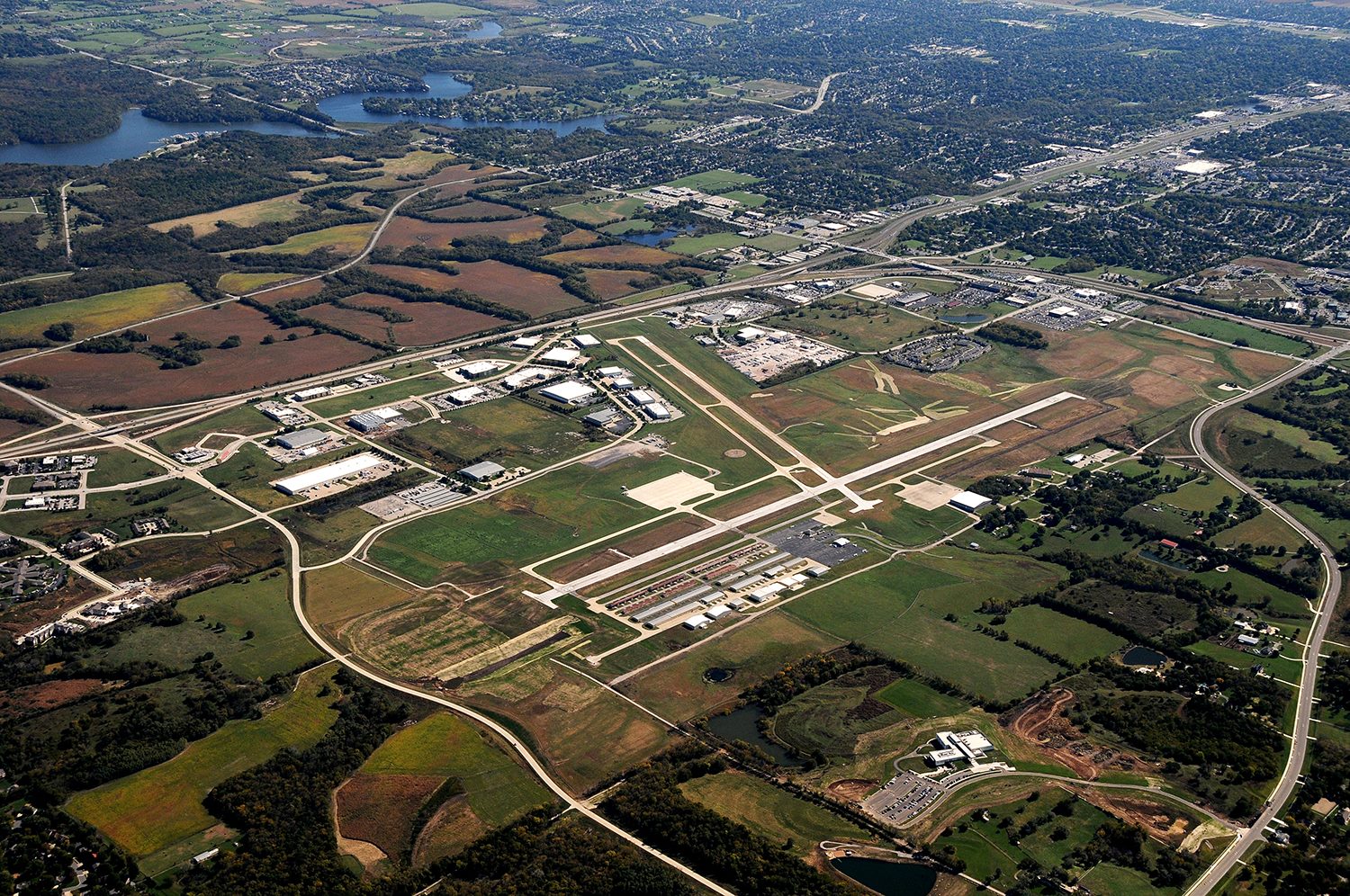
You search multi engine training near me and two kinds of schools come back. Many fly the Piper PA-44 Seminole. A few, like us at Lee’s Summit Airport (KLXT), fly the Piper PA-30 Twin Comanche. Either airplane can carry you to a multi-engine rating, so the choice comes down to which trainer fits the way you want to learn.
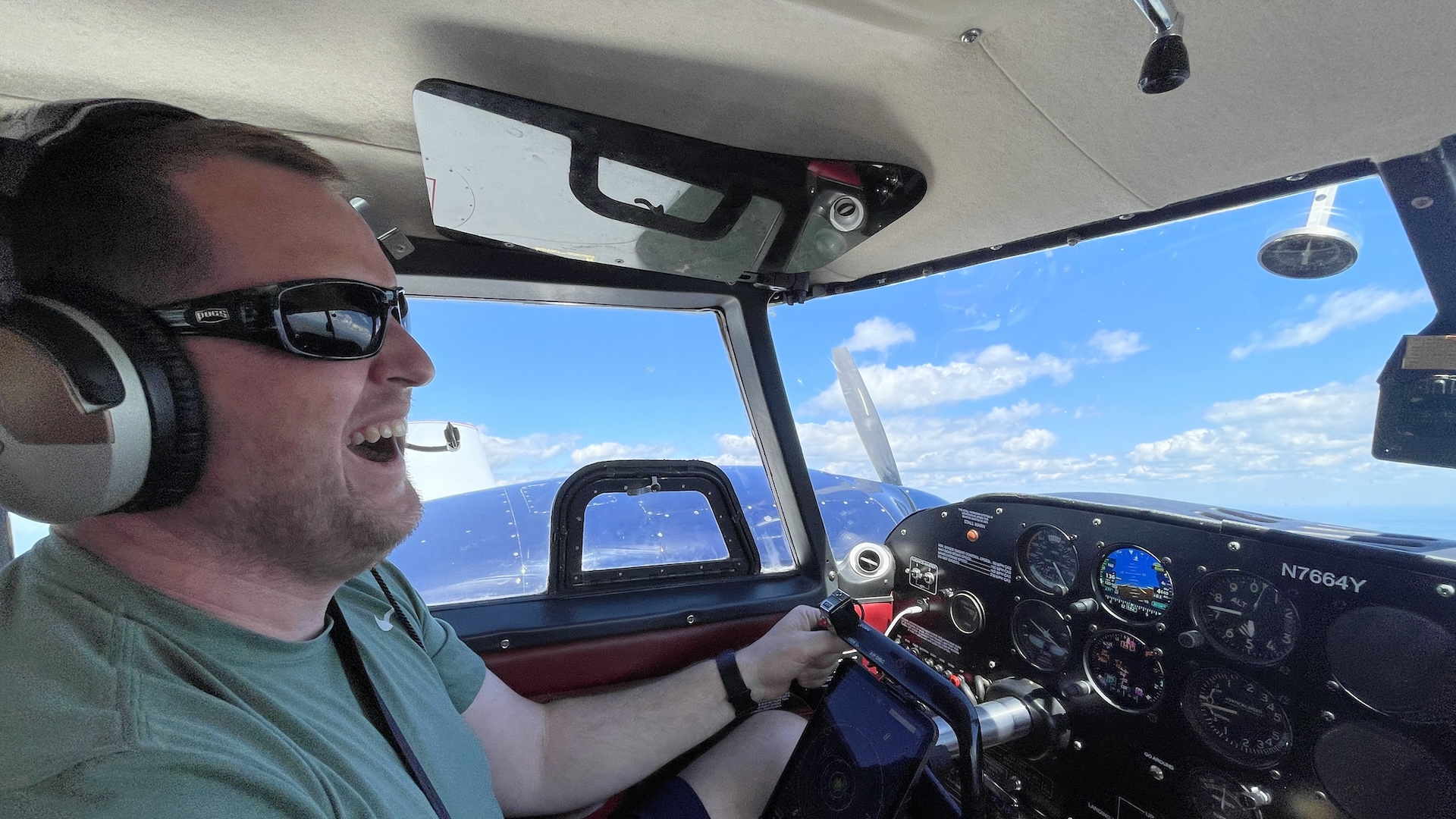
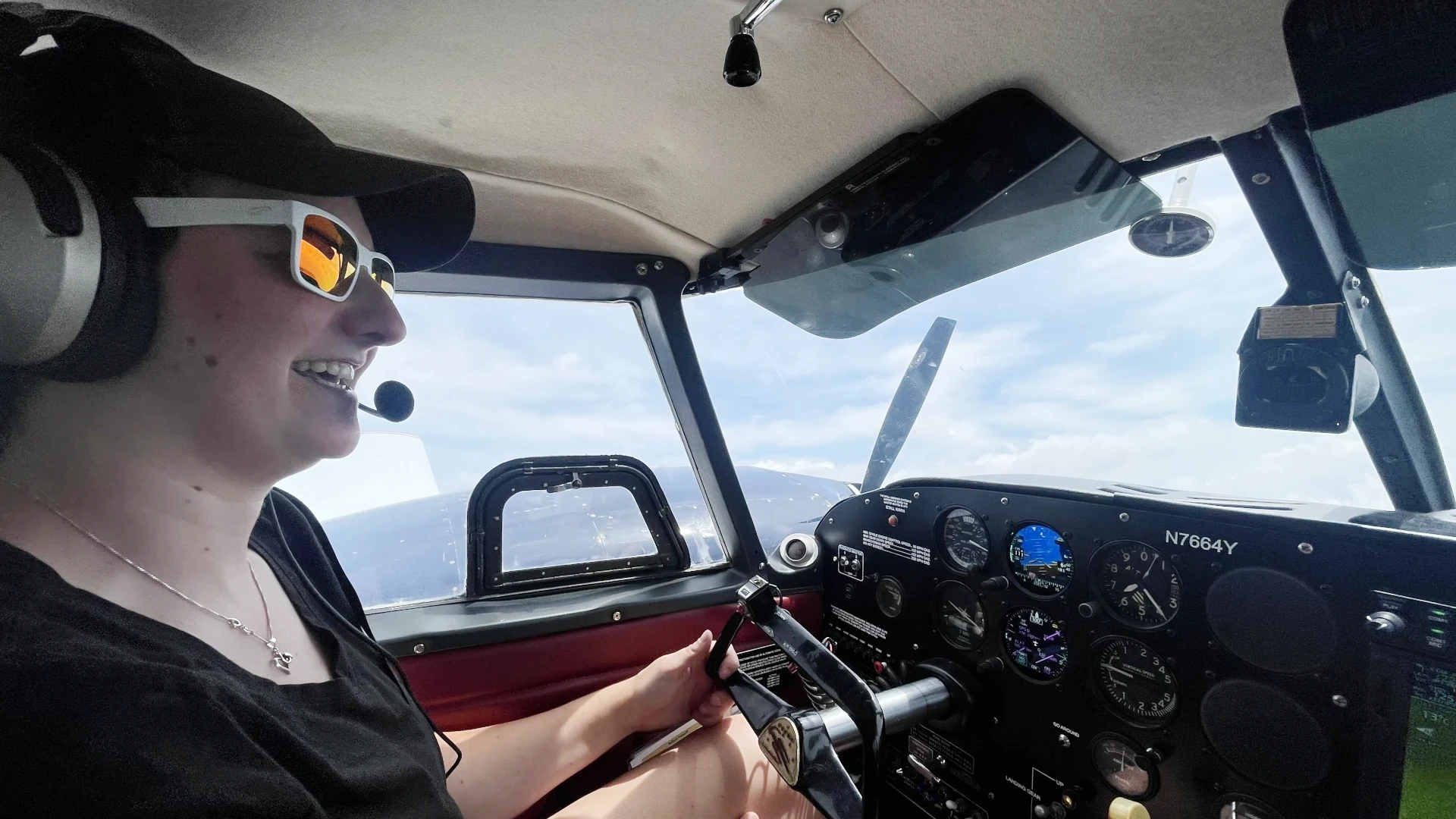
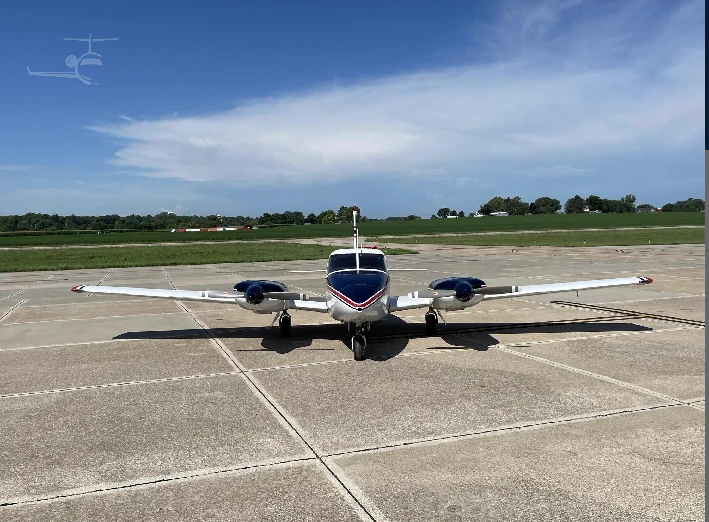
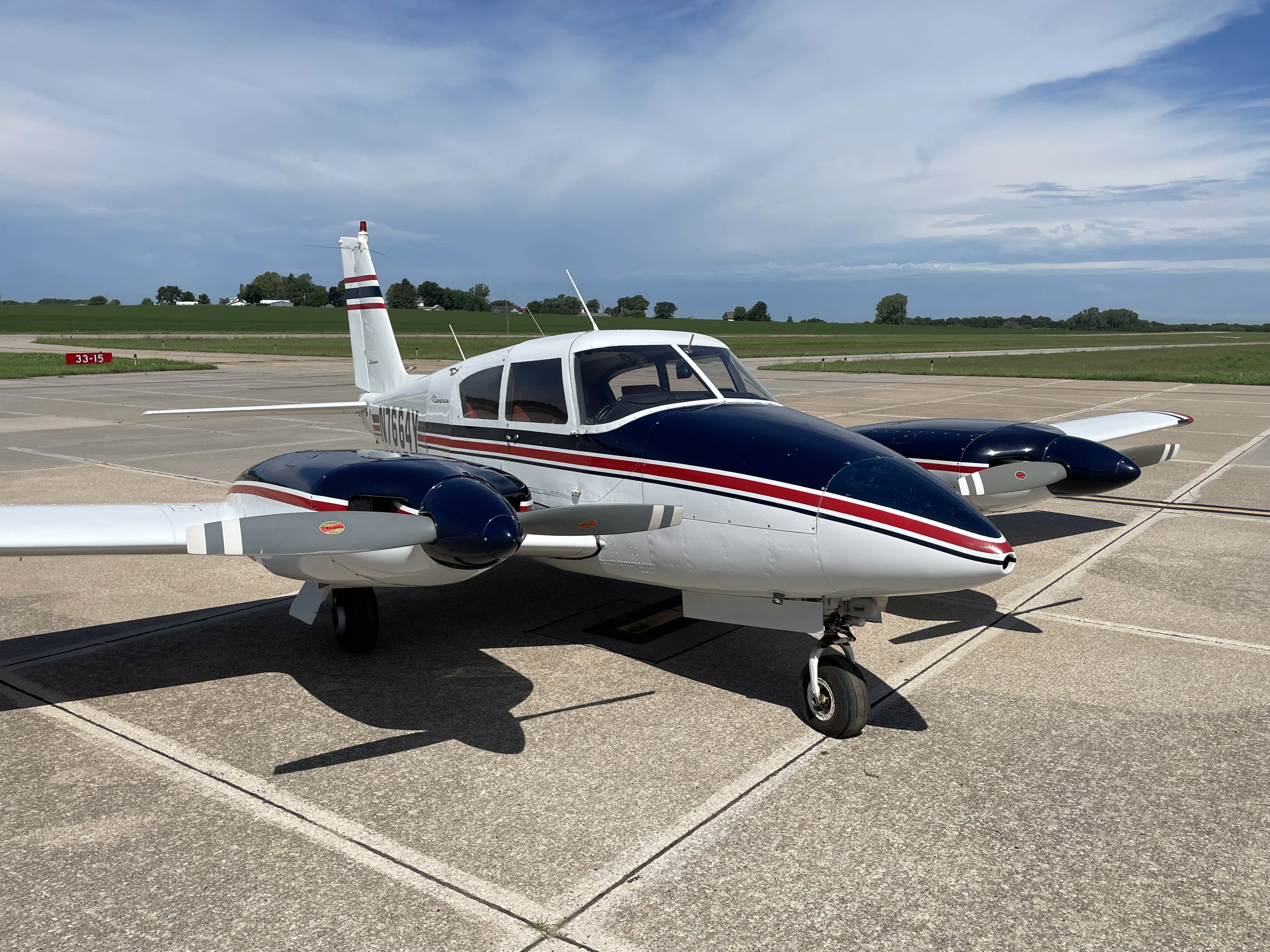
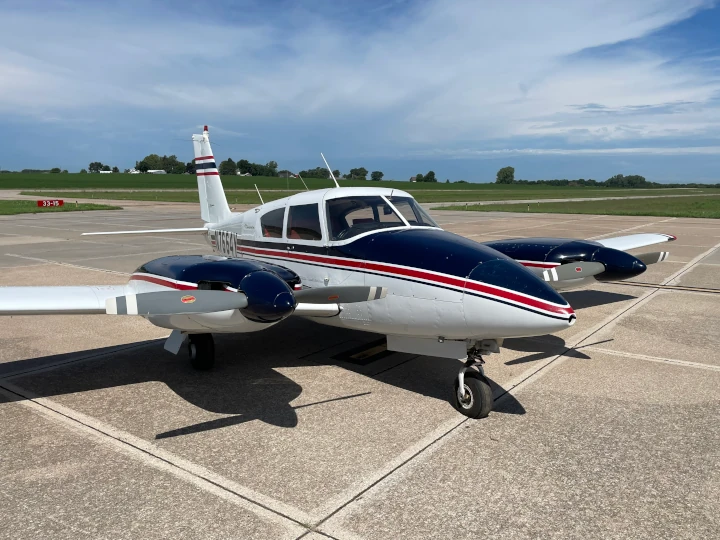
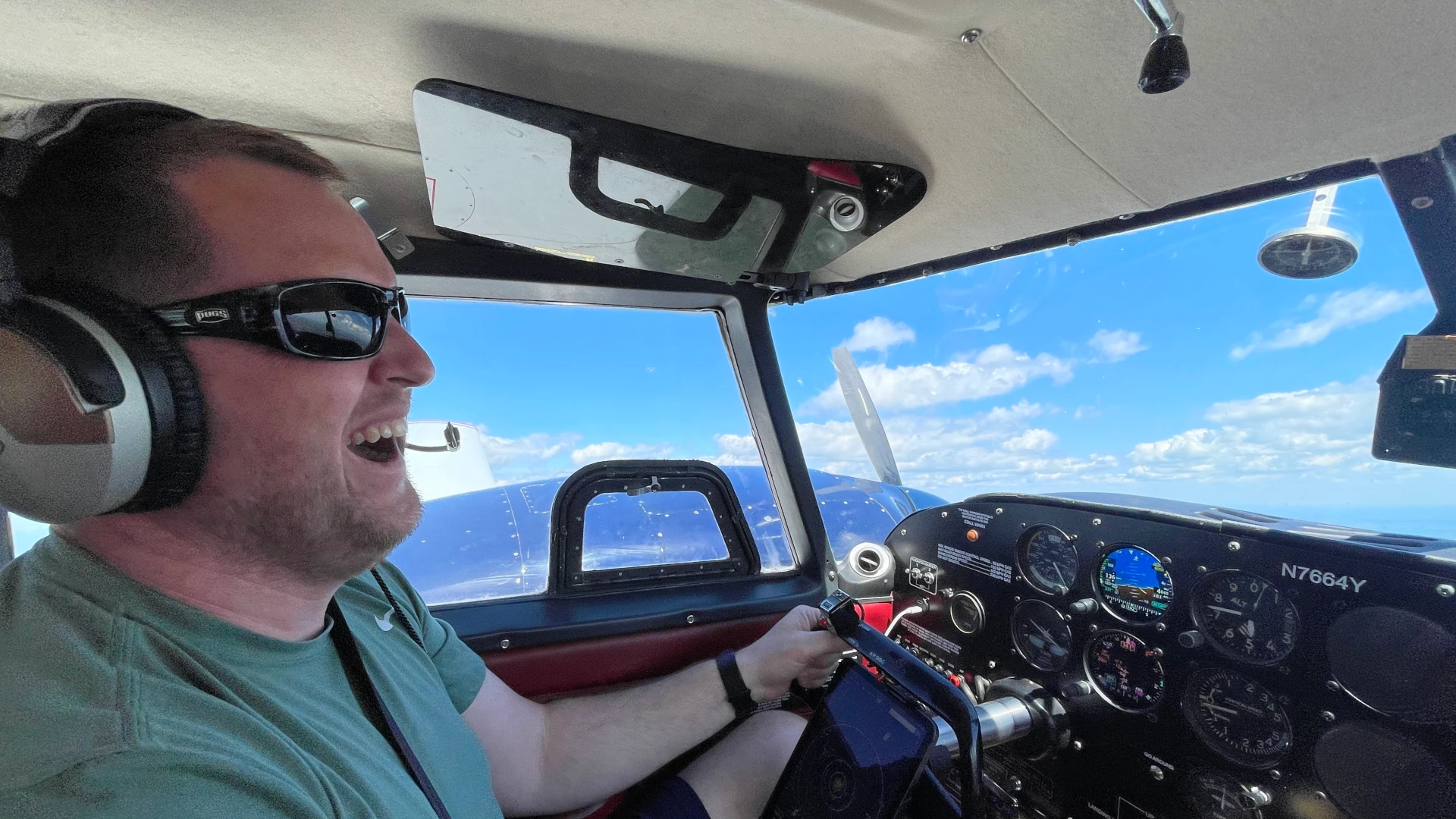
We fly a Twin Comanche, N7664Y, so you know which side of the ramp we’re standing on. We’ll still give you a fair Twin Comanche vs Seminole comparison, including the places where the Seminole has the edge, so you can pick with clear eyes.
Why the Seminole and the Twin Comanche Land on the Same Shortlist
The Seminole was designed as a trainer. Piper launched it in 1979 and still builds it, and AOPA describes it as built to be a safe, cost-effective multiengine trainer. Its fuselage, T-tail, and wings come from Piper’s Arrow IV, so the cabin feels familiar if you learned in a PA-28. Generations of pilots have trained in it, which makes it a common training twin.
For the rating itself, the airplane matters less than most pilots expect. Either way, the FAA adds an airplane multiengine land class rating to your certificate, and you fly the same practical test. The differences show up in how each airplane handles an engine failure, what the panel looks like, and how your training week is built. Our complete multi-engine training guide covers the full path if you’re early in your research.
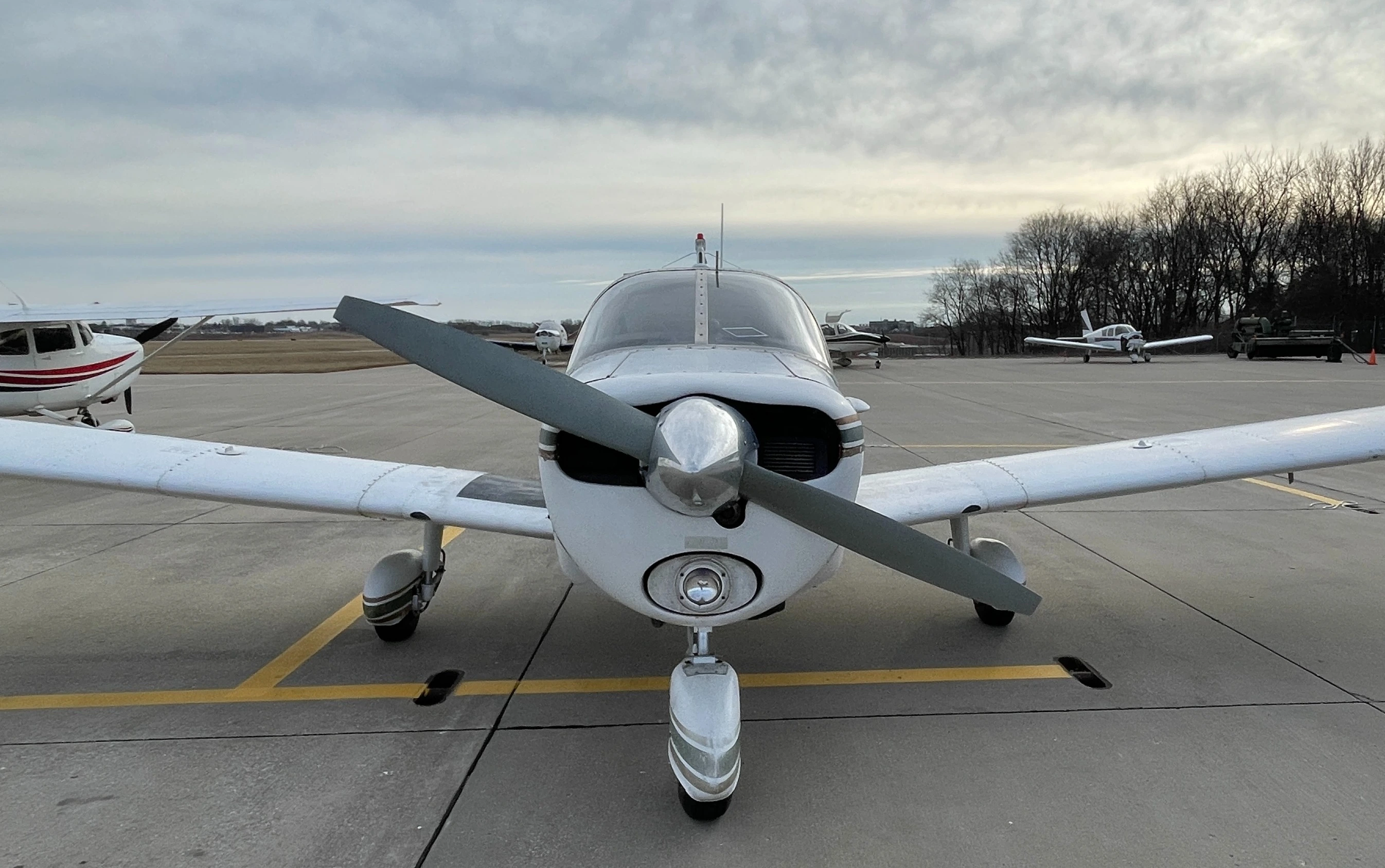
Twin Comanche vs Seminole Side by Side
| What you’re weighing | Piper PA-30 Twin Comanche (our trainer) | Piper PA-44 Seminole |
|---|---|---|
| What it was built for | A personal light twin, built 1963 to 1972 | A multi-engine trainer, built since 1979 and still in production |
| Engine failure handling | A standard PA-30 turns both props the same way, so one engine is the critical engine | Counter-rotating props, so there’s no critical engine |
| Systems you’ll learn | Retractable gear, constant-speed props you can feather | Retractable gear, constant-speed props you can feather |
| Panel | Garmin avionics and autopilot in ours | Garmin G1000 NXi on new airplanes; older fleet airplanes vary |
| Where you’ll find one | Ours is at KLXT | A common training twin, possibly closer to home |
| The checkride | Same multiengine practical test, Vmc demonstration included | Same multiengine practical test, Vmc demonstration included |
| How training is packaged | Our 7-day multi-engine program, package starts at $4,950 | Set by the school you choose |
| After your rating | Our graduates may rent the Twin Comanche after checkout and currency | Set by the school’s rental rules |
Counter-Rotating Props Change How an Engine Failure Feels
On many light twins, both propellers turn the same direction. When both turn clockwise as seen from behind, losing the left engine hurts your control the most, so that one is called the critical engine. The FAA’s Airplane Flying Handbook walks through the forces behind it.
The Seminole’s propellers turn in opposite directions, so it has no critical engine. Whichever engine quits, your feet and hands answer the same way. AOPA calls those counter-rotating props the secret to the Seminole’s success, and for a trainer it’s a fair point in its favor.
A standard PA-30 turns both props the same way, like many light twins, so it has a critical engine. Piper later built the PA-39 Twin Comanche C/R with counter-rotating props. In our ground lessons, we cover the critical engine and how it applies to the airplane you’ll fly, before you ever start the engines.
Plenty stays the same in either airplane. Losing one engine costs about half your power but can cut climb performance by 80 to 90 percent or more, and the Vmc demonstration is on every multiengine checkride. If you want to know what the first week in our twin feels like after a single-engine Piper, read what changes from a Cherokee to a Twin Comanche.
A Trainer Built for the Job vs a Twin Pilots Fly for Themselves
The Seminole’s biggest strength is that it was built for flight schools. New ones leave Piper with a Garmin G1000 NXi glass panel, though the Seminoles in a school’s fleet may be older and equipped differently. AOPA notes that relatively few are bought by individual owners as personal airplanes. If you’re already in a training program built around Seminoles, staying in that fleet keeps things simple.
The Twin Comanche is the kind of light twin pilots actually own and fly, and we think multi-engine training belongs in one. Every Twin Comanche flying today is more than 50 years old, so who maintains it matters. We maintain ours in-house, and it carries Garmin avionics and autopilot. Our Twin Comanche training FAQs answer the common questions visiting pilots ask about the airplane.
There’s one more practical difference. Because the Twin Comanche lives on our ramp, your training doesn’t have to end at the checkride. Our graduates may rent the Twin Comanche after a checkout and currency, and special conditions apply.

How Each Trainer Fits Your Week, Your Budget, and Your Travel
A Seminole school close to home lets you train on your own calendar, spread over weeknights and weekends. Its price, pace, and schedule depend on that school, so ask for the hours and inclusions in writing before you compare.
Our program runs seven days in the Twin Comanche. The package starts at $4,950 and includes up to 8.5 hours of Twin Comanche flight time, simulator time, and instructor services with checkride prep. Weather, maintenance, and your own progress can shift the schedule, and our honest look at whether you can earn a multi-engine rating in 7 days explains how to plan around that.
Flying in changes the math too. Our 2026 trip plan for multi-engine training in Missouri covers picking your week, where to stay near the airport, and building in a cushion. The multi-engine prep checklist shows what to study before Day 1, which helps in either airplane.
If you’d rather spread the cost out, financing options may be available to qualified applicants. You’ll find the lenders we work with on our financing page.
When to Choose the Seminole and When to Choose the Twin Comanche
The right trainer depends on where you are and how you want to train:
- Choose the Seminole if a school near you flies one and you’d rather train close to home over several weeks.
- Choose the Seminole if you’re already in a program built around Seminoles and want to stay in that fleet.
- Choose the Seminole if learning engine-outs without a critical engine matters most to you.
- Choose the Twin Comanche if you want your rating in one focused week and don’t mind traveling to KLXT.
- Choose the Twin Comanche if you want to train in a classic light twin and keep flying it after your checkride.
- Choose the Twin Comanche if you want to see a starting package price before you book.
Still weighing it? Our multi-engine FAQs cover prerequisites and the rating itself, and we’re glad to talk it through with you.
Frequently Asked Questions
Will my multi-engine rating say Twin Comanche or Seminole?
Neither. Your certificate gets an airplane multiengine land class rating, and light twins like these don’t need a type rating. Our multi-engine FAQs cover what the rating lets you do.
Is the Twin Comanche harder to learn in than the Seminole?
Each twin has its own systems and procedures to learn, and both have retractable gear and props you can feather. With us, two ground lessons and a simulator session come before your first flight. Our Cherokee to Twin Comanche guide walks through the changes.
How much does PA-30 multi-engine training cost at Summit?
Our package starts at $4,950 and includes up to 8.5 hours of Twin Comanche flight time. Financing options may be available to qualified applicants through our financing page.
Do I need an instrument rating before multi-engine training?
No. We recommend an instrument rating, but it isn’t required for our program. You need a private pilot certificate with an airplane single-engine land rating and a current medical. See the multi-engine rating page for details.
Where can I find multi engine training near me if I’m outside Kansas City?
We train at Lee’s Summit Airport (KLXT), and pilots travel here from across the region for the week. Our Missouri trip plan covers getting here and where to stay.
Book Your Twin Comanche Week at KLXT
If one focused week in a classic light twin sounds right, pick your dates and we’ll build the plan around them. Tell us where your logbook stands, how you’re getting to Lee’s Summit, and which week works, and we’ll map out your seven days in the Twin Comanche. Start your multi-engine rating with us.