After Multi-Engine Flight Training: Staying Current in a Twin
Published by:
Summit Flight Academy Team
Published on:
Updated on:
Read time:
7 min read
You pass your multi-engine checkride on a Friday. You fly home, log it, and tell everyone. Then three months go by without touching a twin. The next time an instructor pulls a throttle to idle, your hands know roughly what to do, but not as fast as they did on checkride day.
That’s the part of multi-engine flight training nobody puts on the brochure: the rating is a starting point, and twin skills fade faster than most pilots expect. The good news is that staying sharp isn’t complicated if you plan for it before the checkride, not after.
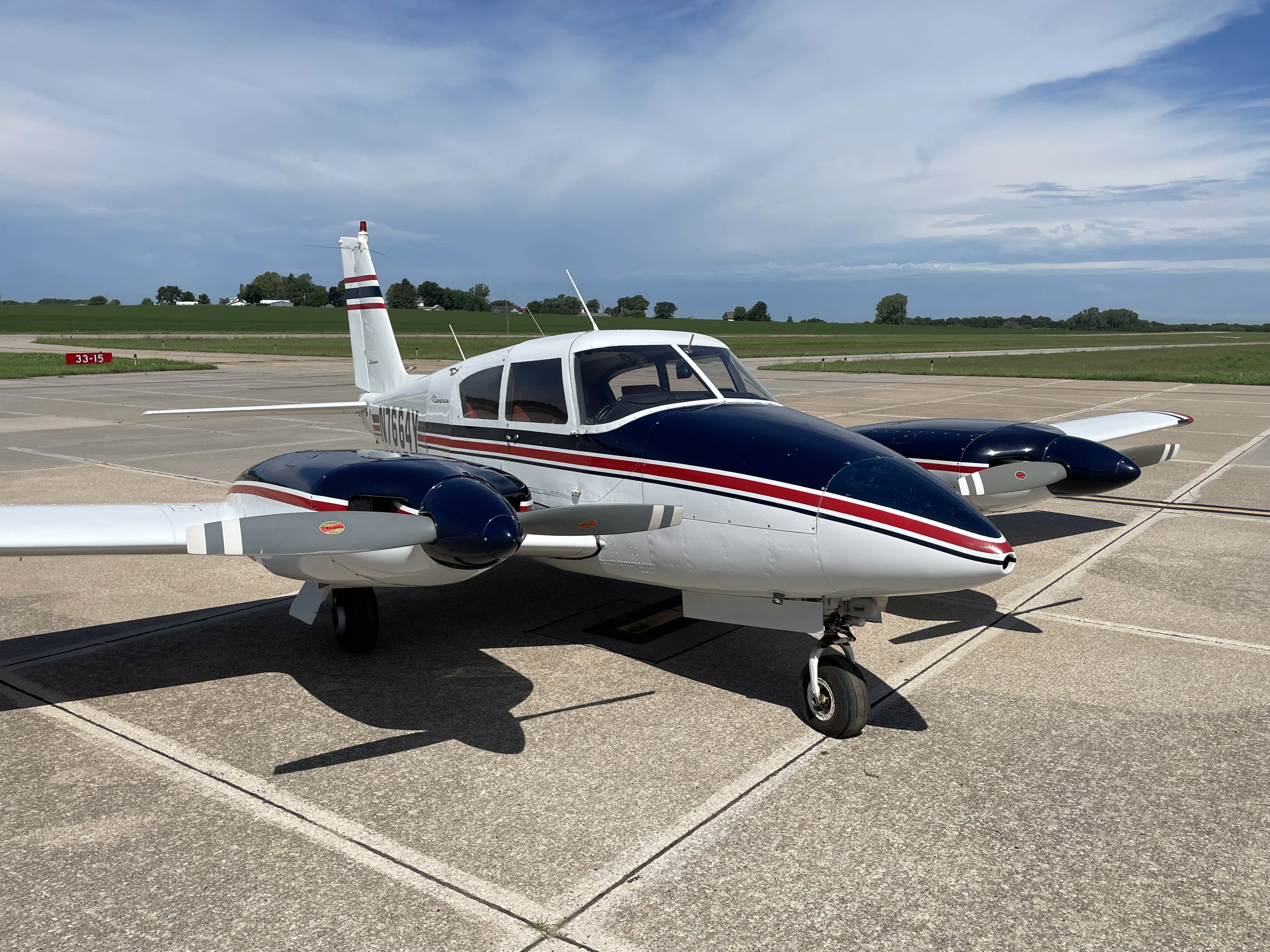
Here at Summit Flight Academy, graduates of our multi-engine program don’t have to go looking for a twin to stay current. Here’s what staying current actually requires, what staying proficient requires, and how you can keep flying our Piper Twin Comanche.
Your rating doesn’t expire, but your currency does
Your multi-engine rating stays on your certificate. What lapses is your legal currency and, more importantly, your proficiency.
Two FAA rules apply to every pilot:
- Passenger currency (14 CFR 61.57): to carry passengers, you need three takeoffs and landings in the preceding 90 days in the same category and class of aircraft. Multiengine land is its own class, so landings in a single-engine airplane don’t make you current to carry passengers in a twin.
- Flight review (14 CFR 61.56): you need a flight review every 24 calendar months to act as pilot in command.
Those are the legal minimums. Our multi-engine rating FAQs cover how currency fits alongside the rental requirements we set for the Twin Comanche.
Engine-out skills fade first
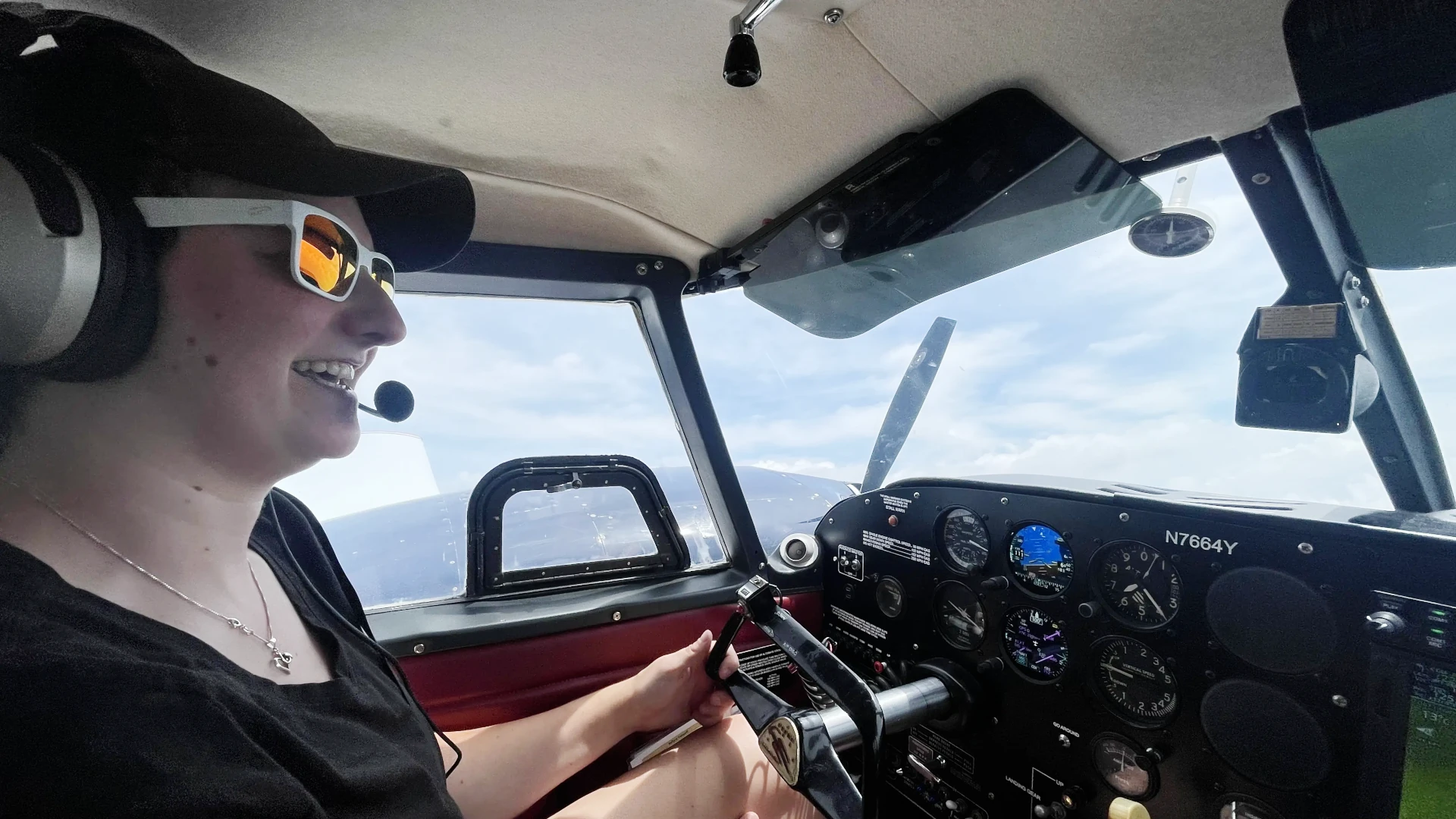
During your multi-engine rating training, you practiced those flows until they were automatic, in the simulator first and then in the airplane. Automatic doesn’t last forever. Without practice, the sequence slows down, and in a twin that’s the difference that matters.
A few habits keep those skills from slipping:
- Chair-fly the engine-failure flow before every twin flight: mixture, props, throttles, identify, verify, feather.
- Brief the numbers out loud before takeoff, including Vmc and blue line (Vyse).
- Fly with an instructor now and then, even when you’re current, to practice engine cuts you can’t safely practice alone.
If you want a refresher on why these skills are tested the way they are, our Part 61 multi-engine requirements guide walks through the practical test areas.
How our graduates keep flying the Twin Comanche
Finding a twin to rent is one of the hardest parts of staying multi-engine proficient. Many schools only fly their multi-engine aircraft with an instructor on board.
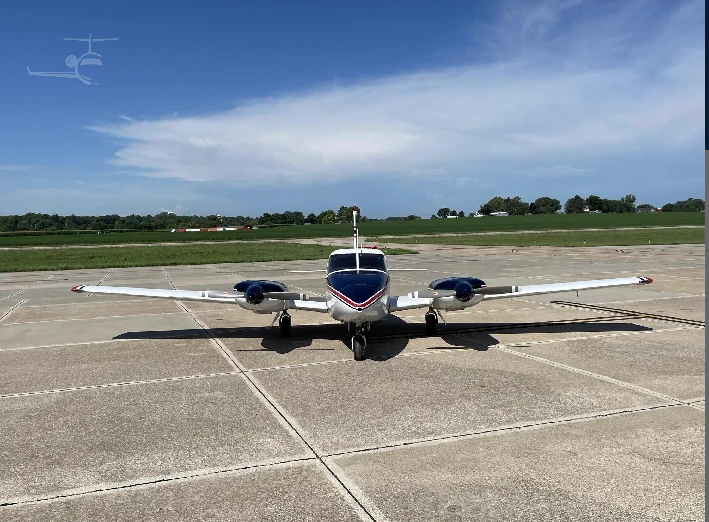
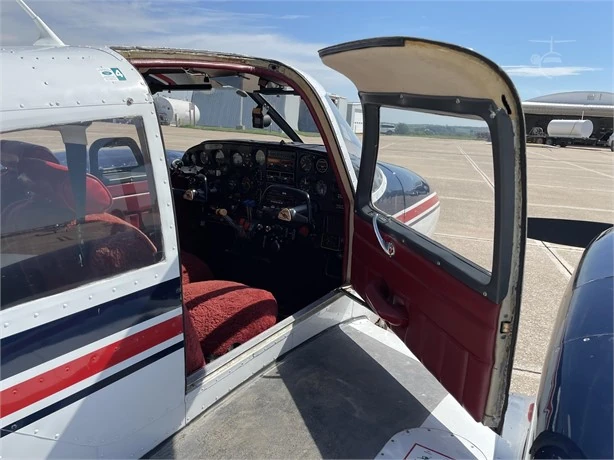
The Twin Comanche is also getting rare as a trainer. Only about 10 to 12 flight schools in the country still train in the PA-30, which is why pilots who own one, are buying one, or started training in one travel to us from as far away as Washington state. If you earned your rating in it, you already have access to an airplane most multi-engine pilots can’t find.
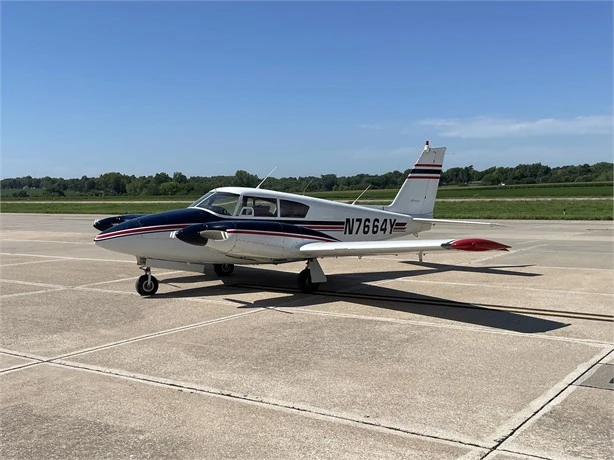
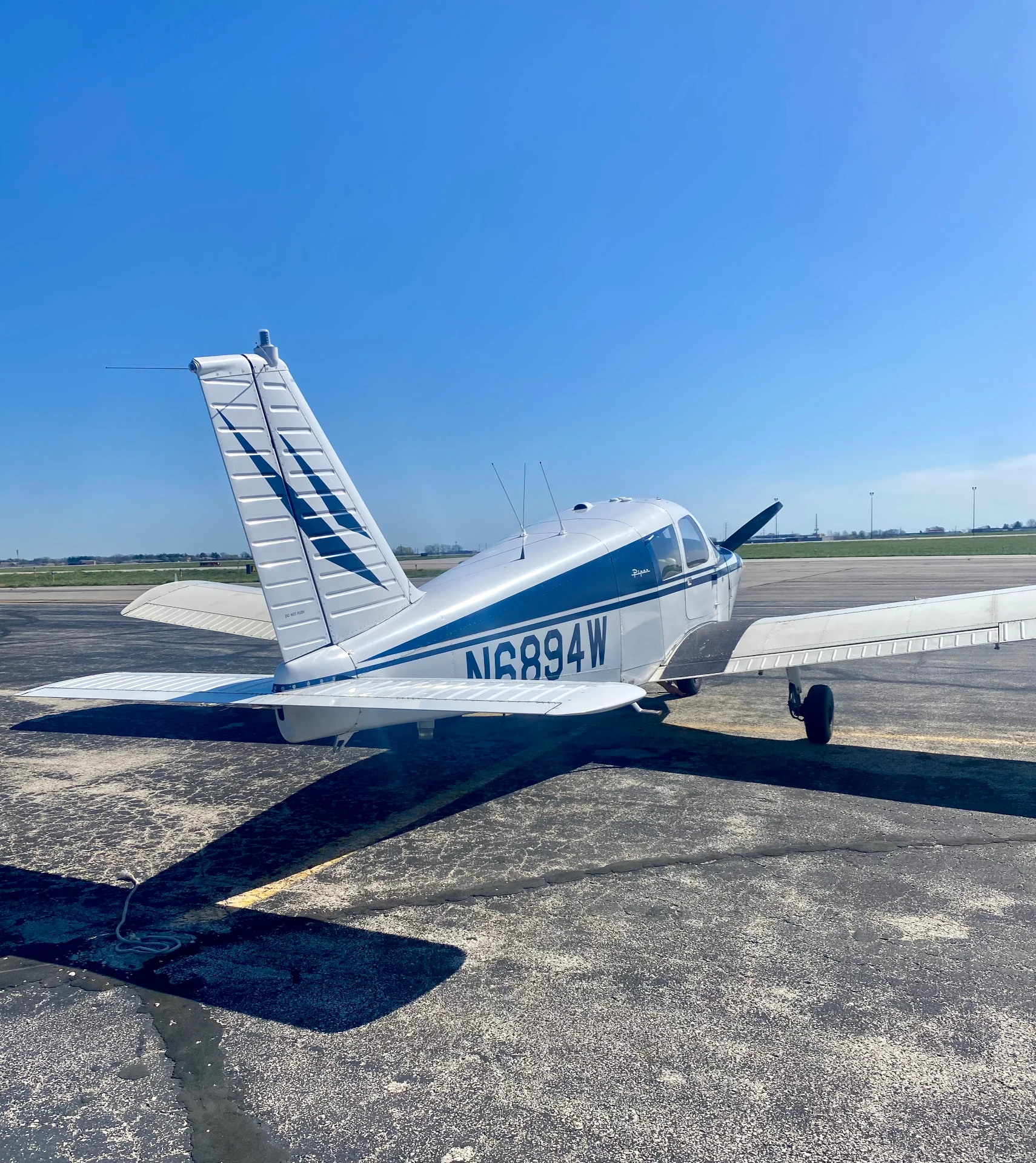
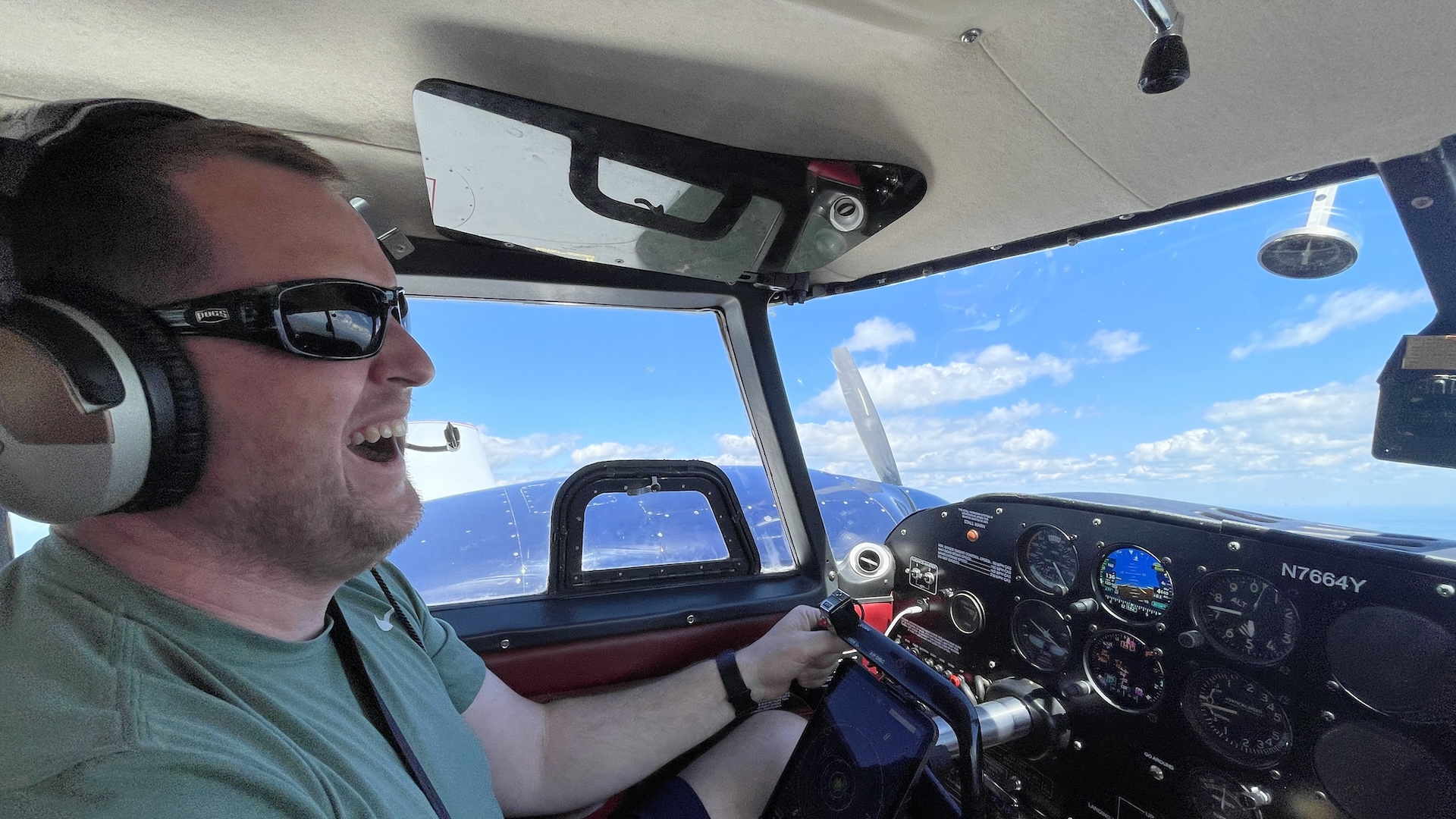
Graduates of our multi-engine program may rent our Piper PA-30 Twin Comanche (N7664Y), subject to checkout and currency requirements. Special conditions will apply.
For you, that means the airplane you trained in, the checklist you already know, and instructors who flew it with you, all at Lee’s Summit Municipal Airport. There’s no need to learn a new airplane at a new field just to keep your rating useful.
Rental and insurance requirements for twins usually go beyond the FAA minimums above, which is normal for this kind of airplane. We’ll walk you through the checkout and currency requirements when you finish your rating. You can also see the Twin Comanche on our fleet page.
Three ways to build twin time after your checkride
What you do next depends on where you’re headed. Here’s how graduates typically keep flying:
| Path | What it looks like | Best for |
|---|---|---|
| Multi-Engine Rating graduate rental | Rent the Twin Comanche after checkout, within currency requirements | Pilots who want to stay proficient and log multi-engine time |
| Dual flights with an instructor | Periodic flights focused on engine cuts, approaches, and systems | Pilots who have been away from the twin for a while |
| Multi-Engine Instructor (MEI) | Continue into MEI training and teach in the twin | Career-track pilots building toward professional flying |
If you’re on a professional path, our post on how multi-engine training fits a pilot career explains where twin time fits in the bigger sequence.
Plan the cost of staying current
Staying current costs money, and it’s easier to handle when you plan for it. A short flight every few weeks is usually cheaper than a long refresher after months away, because you’re not paying to relearn what you already knew.
For current package pricing, see our multi-engine cost guide for Kansas City. If you need to spread out the cost of training, our financing options are worth a look before you start.
Common questions about staying current in a twin
Do single-engine landings count toward multi-engine currency?
No. Passenger currency under 14 CFR 61.57 is tied to category and class, and multiengine land is a separate class. You need three takeoffs and landings in a multi-engine airplane within the preceding 90 days to carry passengers in one. More in our multi-engine FAQs.
Can I rent the Twin Comanche right after my checkride?
Graduates of our multi-engine flight training program may rent it, subject to checkout and currency requirements. Special conditions will apply, and we’ll go over them with you when you finish.
How often should I fly a twin to stay proficient?
There’s no single answer, but regular short flights beat long gaps. Many pilots also fly with an instructor periodically to practice engine cuts they shouldn’t practice alone.
Is the MEI a good way to build multi-engine time?
For career-track pilots, it can be. Teaching in the twin keeps you flying it regularly. See our instructor training page for how that path works.
Start your multi-engine flight training with a finish line in mind
The best time to plan how you’ll stay current is before you earn the rating. Train in the Twin Comanche, pass your checkride, and keep flying the same airplane afterward. Enroll in our multi-engine flight training program and pick your training window today.