How to Become a Flight Instructor in 2026: The Steps From Commercial Pilot to CFI

Published by:
Summit Flight Academy Team
Published on:
Updated on:
Read time:
8 min read
You just shook your examiner’s hand after your commercial checkride. The logbook is full, the instrument rating is on your certificate, and you’re already looking at the right seat. If you want to become a flight instructor, the next stretch of training is shorter than anything you’ve done so far, but it asks for a new skill: teaching someone else to fly while you fly.
Under FAA rules, you’ll confirm your certificates, pass two knowledge tests, earn a spin training endorsement, train to fly and teach from the right seat, and pass the CFI checkride. Then you can start teaching and building time. At Summit Flight Academy we train CFI, CFII, and MEI candidates at Lee’s Summit Airport (KLXT), and below is the order we’d plan it in so you don’t lose months to steps taken out of sequence.
The Six Steps From Commercial Pilot to CFI at a Glance
Six steps stand between a commercial pilot and a flight instructor certificate, and a few of them overlap once you’re training.
| Step | What you do | What it helps you plan |
|---|---|---|
| 1. Certificates in order | Hold a commercial pilot certificate with an instrument rating, be 18, log 15 hours PIC in class | Whether you can start now |
| 2. FOI knowledge test | Pass the fundamentals of instructing test (or qualify to skip it) | Your ground study start date |
| 3. FIA knowledge test | Pass the flight instructor airplane test | Your 24-month checkride window |
| 4. Spin endorsement | Train in an airplane certificated for spins | A flight to schedule early |
| 5. Right-seat training | Fly and teach from the right seat with lesson plans in CFI training | Your weekly flying schedule |
| 6. CFI checkride | Teach and fly for an FAA examiner | Your target finish |
Step 1: Get Your Certificates in Order Before You Start CFI Training
The FAA’s eligibility list for a flight instructor certificate is in 14 CFR 61.183. For an airplane CFI, you need to be at least 18, able to read, speak, write, and understand English, and hold a commercial pilot or ATP certificate with an airplane category and class rating plus an instrument rating. If you’re still finishing commercial, our commercial pilot training is the step before this one.
You’ll also need at least 15 hours as pilot in command in the category and class you’ll teach in. Most commercial pilots cleared that a long time ago.
You’ll hear that CFI candidates need “250 hours or more.” The FAA sets no separate total-time minimum for the flight instructor certificate. The hours that count are the ones you already logged to earn your commercial certificate. Once that certificate and the 15 hours PIC are in your logbook, you’ve met the experience side.
A quick word on medicals. The FAA requires at least a third-class medical any time you act as pilot in command or as a required crewmember while instructing, and a lot of instruction puts you in that seat, so most instructors keep one current. If you have questions about your own eligibility, talk with an Aviation Medical Examiner. Our FAA medical certificate guide explains the classes.
Step 2: Learn How People Learn on the FOI Test
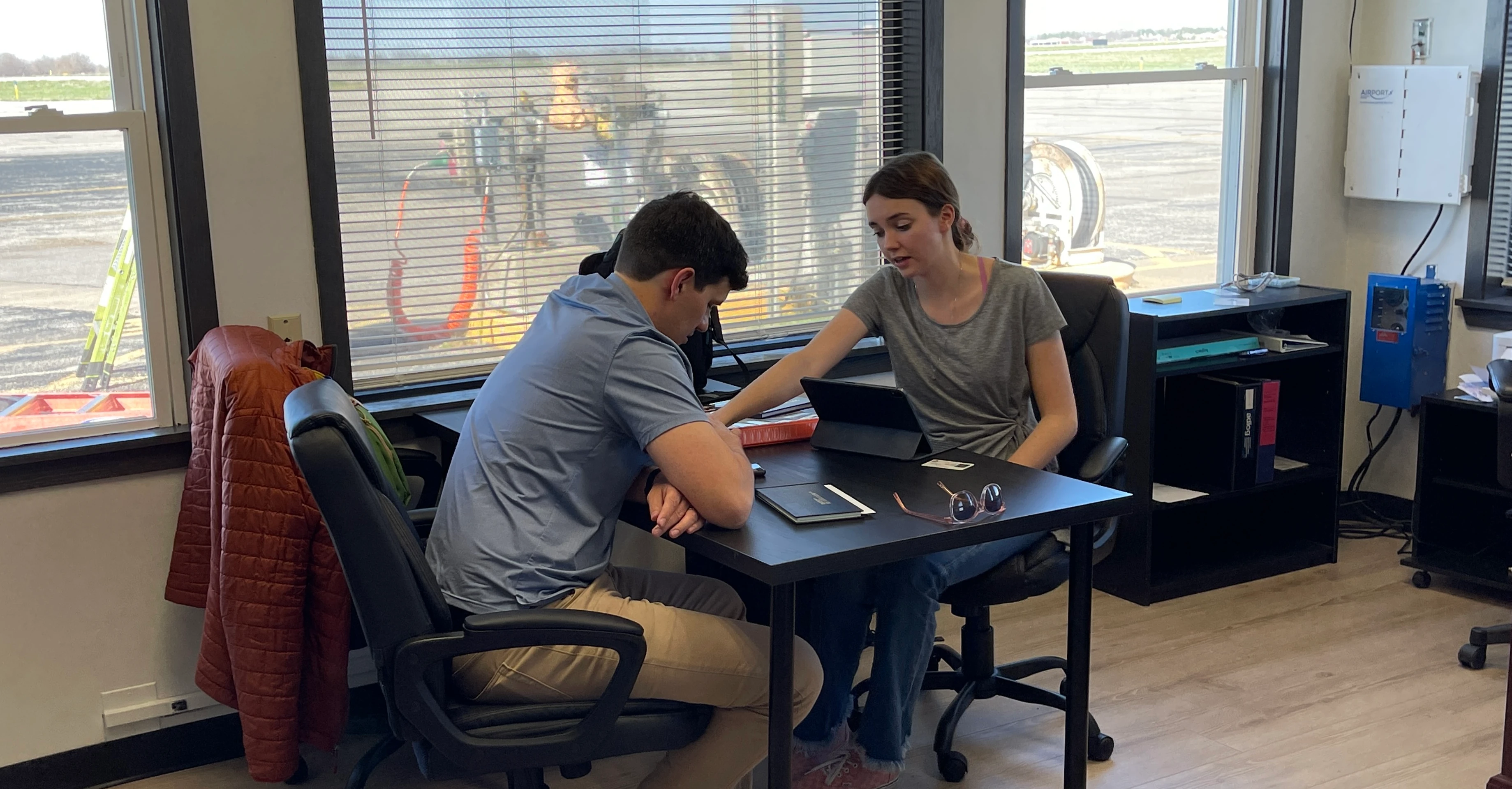
The first knowledge test is the Fundamentals of Instructing, usually called the FOI. It’s a test about teaching, covering the learning process, effective teaching methods, student evaluation and testing, course development, lesson planning, and classroom training techniques.
Before you take it, an authorized instructor has to give you ground training on those topics and sign a logbook endorsement saying you’re ready. Your instructor at our school works through that material with you on the ground at KLXT, and our written exam guide covers how FAA knowledge tests work in general.
Career changers from a classroom can skip the FOI if you already hold a flight or ground instructor certificate, a state teaching certificate for 7th grade or higher, or a teaching job at an accredited college or university.
Step 3: Prove Your Technical Depth on the FIA Test
The second test is the Flight Instructor Airplane knowledge test, often called the FIA. It covers the aeronautical knowledge you’ll be teaching: aerodynamics, regulations, weather, systems, maneuvers, and the rest of what your private and commercial students will need from you.
Timing matters here, because your knowledge test results are good for 24 calendar months before the month of your practical test. Take it too early and stall out, and you’ll be retaking it. Take it too late and it becomes the thing holding up your checkride. We like to see the FIA done while your right-seat training is underway, so the knowledge is fresh when you start teaching it out loud. The FAA’s airman testing resources list the current test guides.
Step 4: Schedule Your Spin Training Endorsement Early
Every airplane CFI applicant needs a spin training endorsement. Under 61.183(i), an authorized instructor gives you flight training in stall awareness, spin entry, spins, and spin recovery, in an airplane certificated for spins, and then endorses your logbook saying you can teach it.
The endorsement also counts on the checkride. The examiner can accept it as evidence of your spin instructional skill, so you aren’t asked to demonstrate a spin on the practical test unless you’re retesting for spin-related problems.
Because the flight has to happen in an airplane certificated for spins, it’s the one step you’ll want to put on the calendar early. Talk to us when you start CFI training so we can plan where that flight fits. If you’re coming to us from the Career Track, we’ll map it into your schedule from the start.
Step 5: Learn to Fly and Teach From the Right Seat
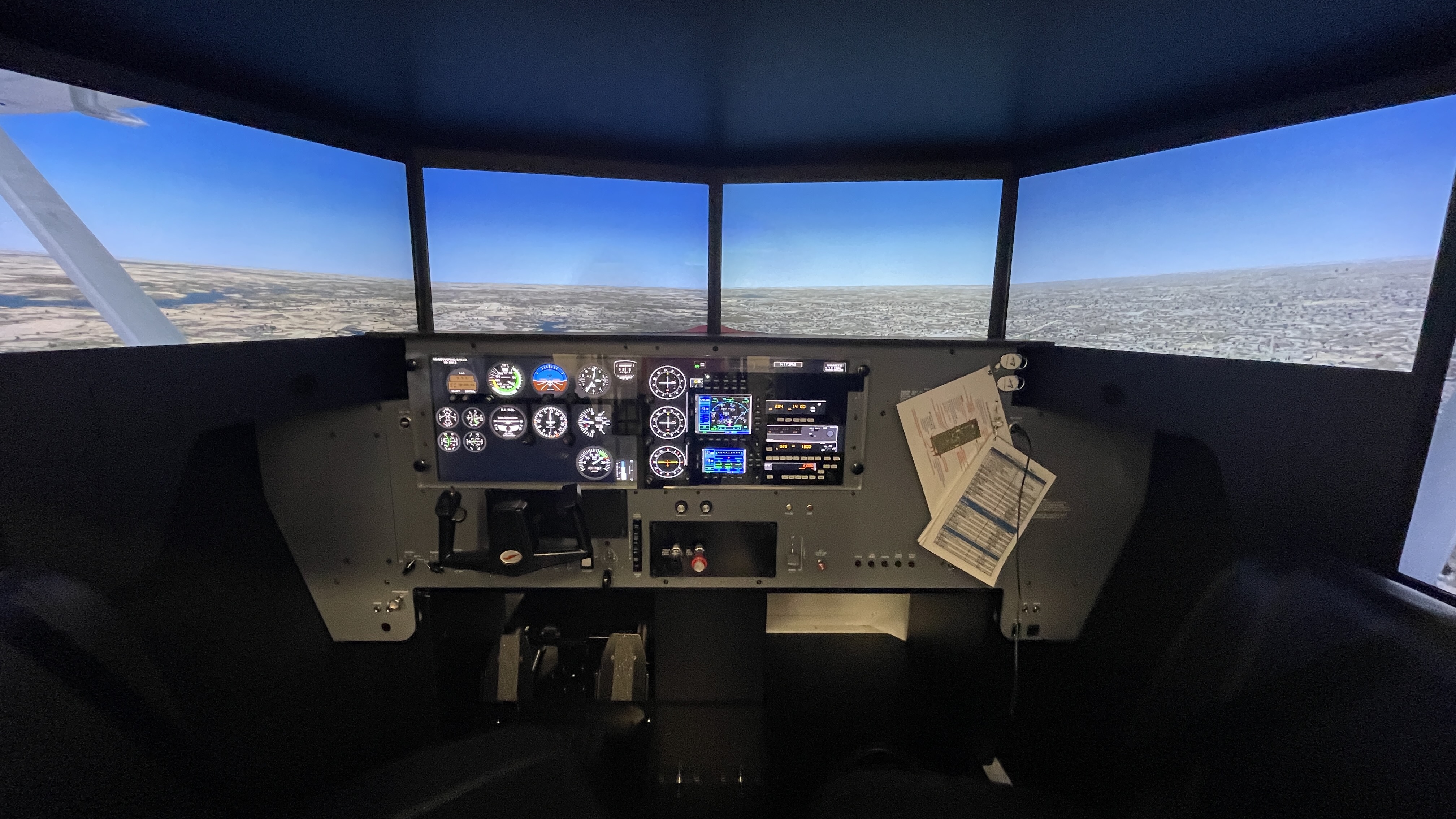
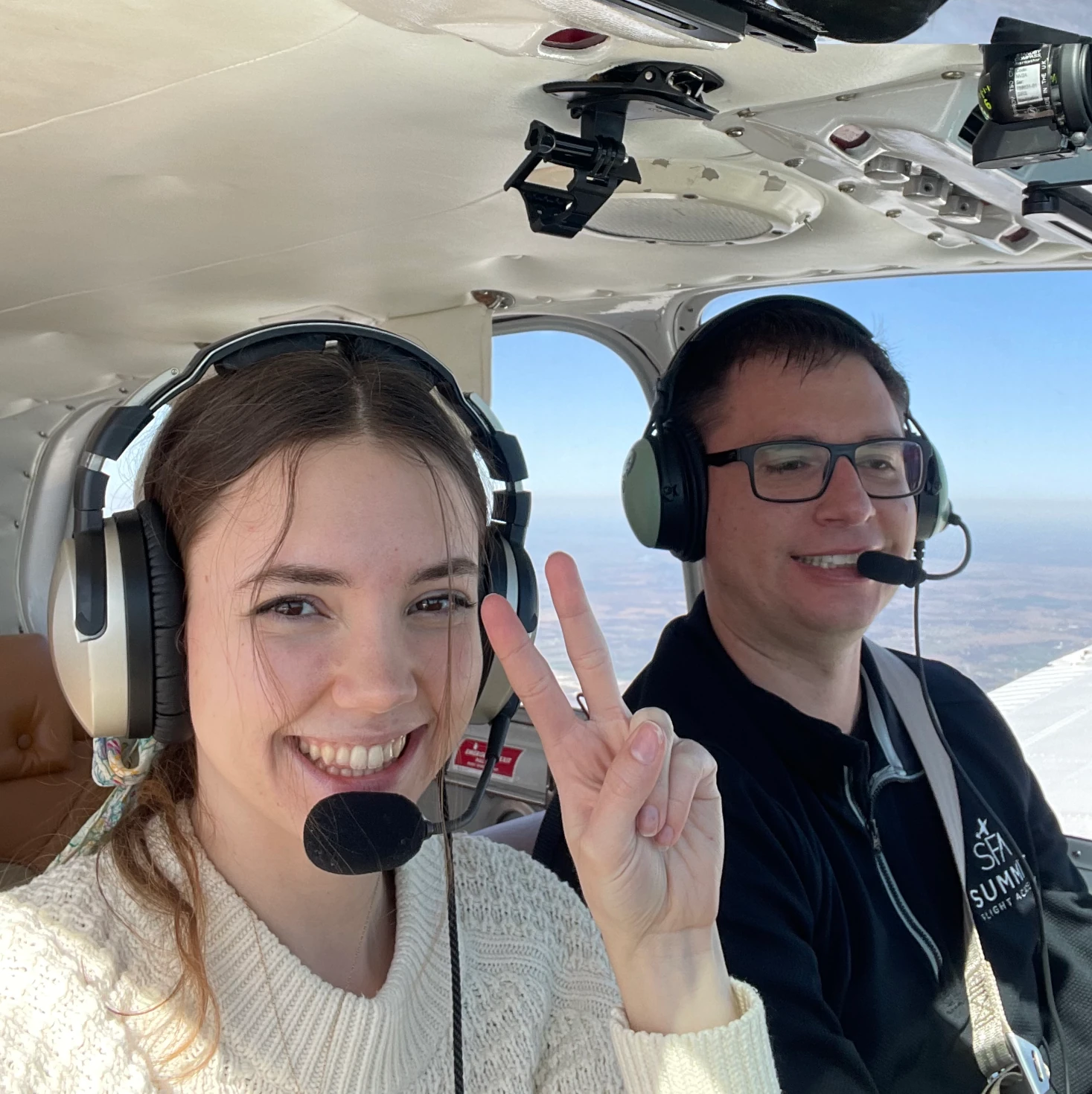
Most of your flight instructor training happens here. You’ve flown your whole training career from the left seat. Now you move to the right, fly the same maneuvers with your hands reversed, and talk a student through them at the same time. The first few flights feel like learning to fly all over again, and that’s normal.
Plan on about 15 hours of right-seat flying with us, plus a lot of ground work building and refining your lesson plans. One of our instructors plays your student. You brief the lesson, fly it, catch the “student’s” mistakes, and debrief. By the end, you can fly a steep turn or a power-off stall well and explain it clearly at the same time.
The FAA lists 14 areas of operation you’ll train and be tested on, from fundamentals of instructing and technical subject areas to a preflight lesson on a maneuver, performance and ground reference maneuvers, slow flight, stalls, and spins, emergency operations, and postflight procedures. Your instructor endorses you on these areas before the checkride.
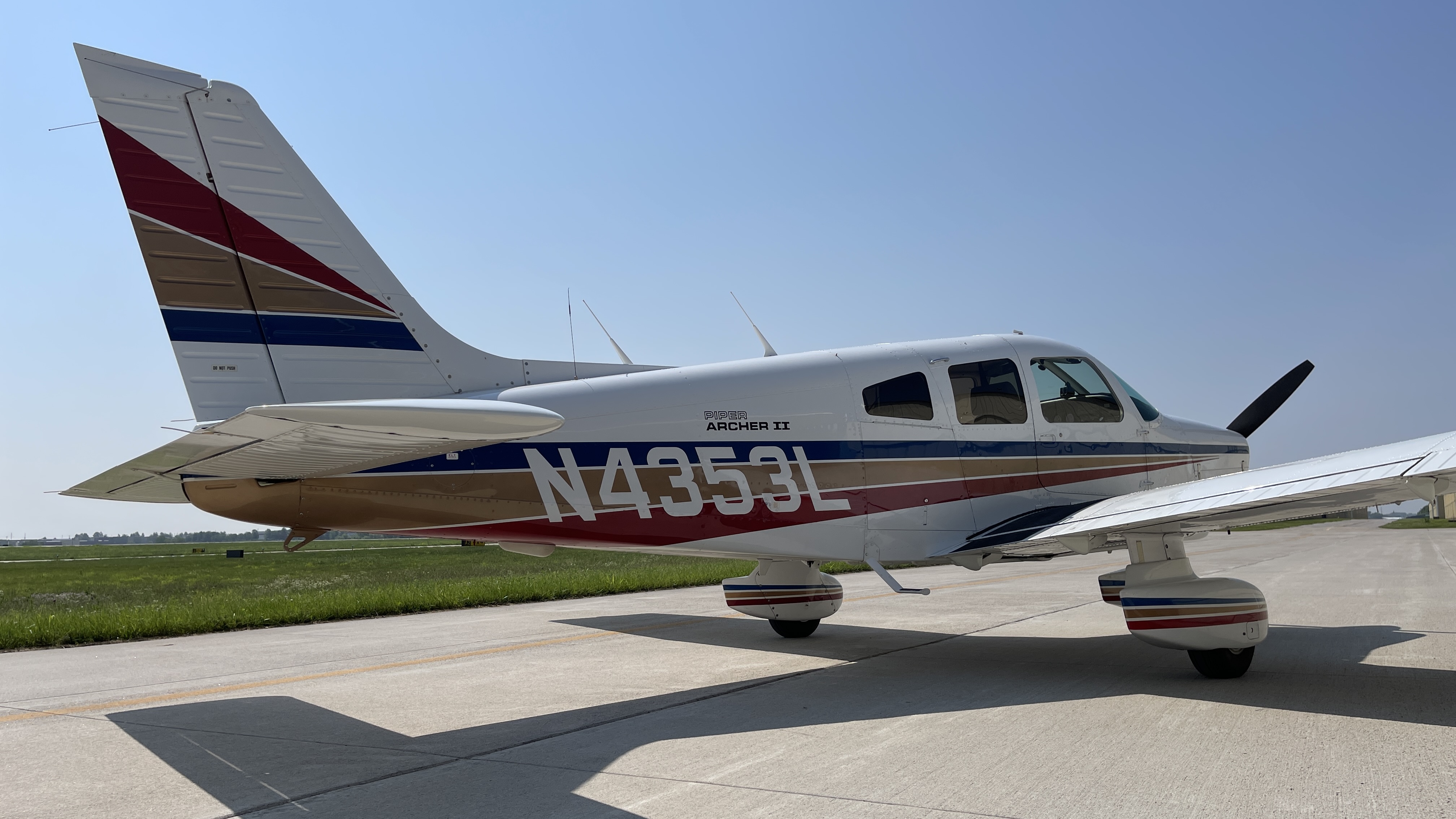
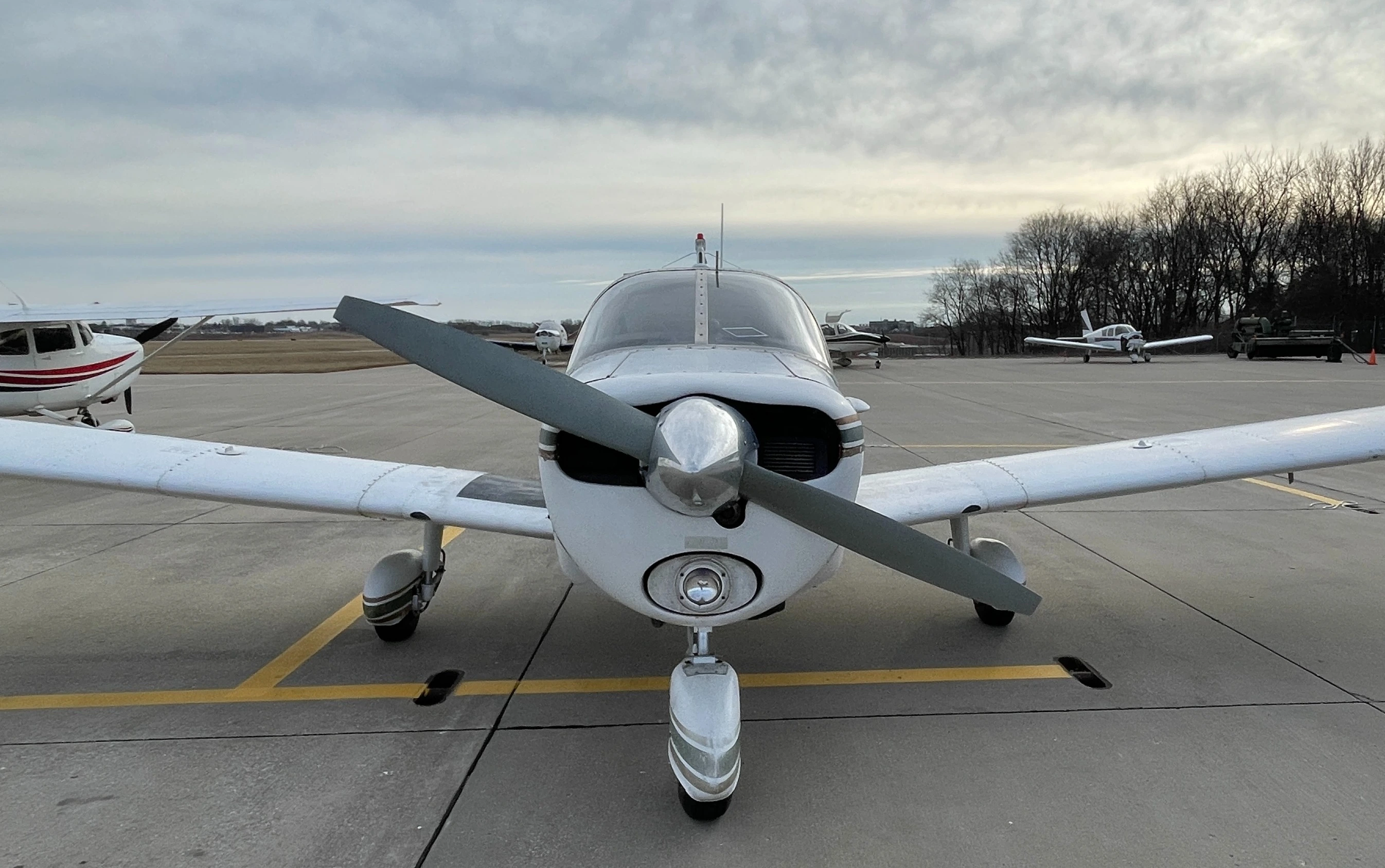
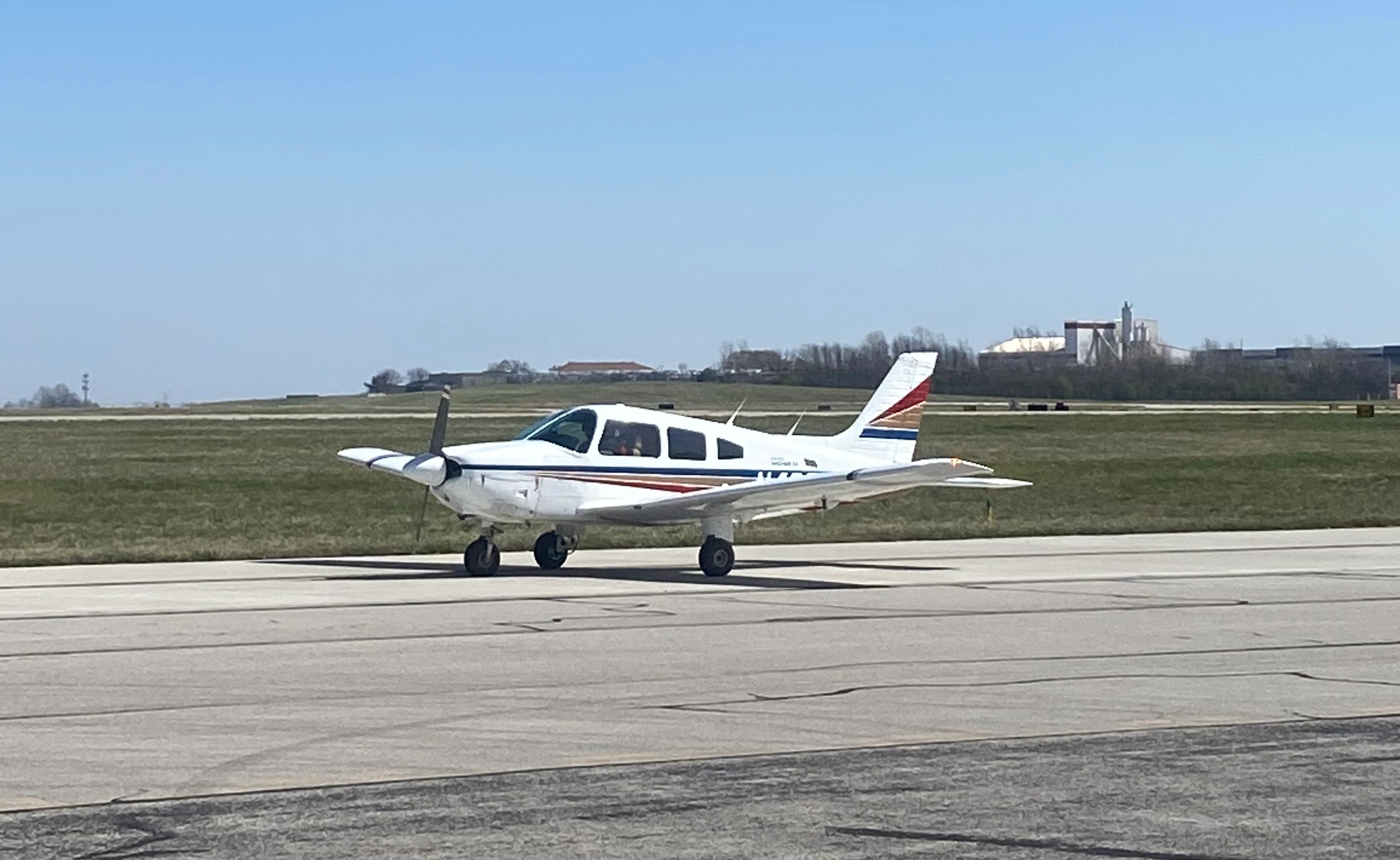
You’ll train in the same Piper fleet your future students fly. Both of our founders, Jeremy Davis and Levi Self, hold CFI, CFII, and MEI, and most of our instructors are CFIIs, so the people teaching you to teach have done it themselves. You can meet our team before you start.
Step 6: Teach the Examiner on Your CFI Checkride
The CFI checkride is the practical test for your flight instructor certificate. The examiner grades you against the FAA’s flight instructor standards, published as the Airman Certification Standards, and the twist is that you’re the teacher. Expect to present lessons on the ground and teach maneuvers in the airplane while the examiner plays your student.
Before you go, you’ll need your knowledge test reports, your endorsements, and training logged within the 2 calendar months before you apply, along with your instructor’s sign-off that you’re ready. You’ll take the test in an airplane that represents the category and class you’ll teach in.
Our Road to Your Checkride walks through practical test logistics, and a later post in this series will go deeper on CFI checkride prep. When you pass, you can sign someone else’s logbook for the first time.
After the Checkride: Getting Hired and Adding Ratings
With your new certificate, you can teach within your ratings, starting with private pilot students in single-engine airplanes. Many instructors then add a CFII to teach instrument students and an MEI to teach in multi-engine airplanes like our Twin Comanche. We train both.
Instructing is one of the most common ways pilots build hours after commercial on the way to an airline career. When we open instructor positions, we post them on Teach at Summit. We look for CFIIs, and MEI is a plus. Our Kansas City flight instructor jobs guide covers what makes a strong candidate.
Frequently Asked Questions
Do I need 250 hours to become a CFI?
No separate total is required. The flight instructor certificate requires a commercial or ATP certificate, an instrument rating for airplane instructors, and 15 hours as pilot in command in the category and class. The hours you logged to earn your commercial certificate are the ones that count.
Do I need a medical certificate to be a flight instructor?
You need at least a third-class medical whenever you act as pilot in command or as a required crewmember while instructing, so most instructors keep one current. For eligibility questions, talk with an Aviation Medical Examiner.
What’s the difference between the FOI and the FIA?
The FOI covers teaching itself: how people learn, lesson planning, and student evaluation. The FIA covers the flying knowledge you’ll teach. Both are FAA knowledge tests, and certain teachers and current instructors are exempt from the FOI.
How long does CFI training take?
It depends on your ground study and how often you fly. Plan on about 15 hours of right-seat flying with us plus ground work on lesson plans. Our pilot career timeline shows where instructor training fits in the full path.
How much does CFI training cost, and can I finance it?
Your price depends on where you’re starting, so contact us for a quote built around your logbook. If you’re paying over time, our financing partners are a good first conversation.
Can I go straight to CFII or MEI?
The base CFI comes first for most pilots, and it’s the certificate you’ll add CFII and MEI privileges to. We can help you plan all three in one sequence when you start instructor training.
Start Your CFI Training at KLXT
You’ve already done the hardest flying. Now you learn to teach it, with instructors who earned the same certificates and an airplane waiting in our hangar. Tell us where your logbook stands and we’ll help you plan the six steps in the right order. Apply for CFI training at Summit Flight Academy and start building the right-seat skills your first student will count on.