Standalone CFI Training Program vs Career Track in 2026
Published by:
Summit Flight Academy Team
Published on:
Updated on:
Read time:
8 min read
Two pilots sit at the same table in our office at Lee’s Summit Airport (KLXT). One just earned a commercial certificate with an instrument rating at another school and wants to start teaching. The other soloed in one of our Cherokees and wants the whole road to instructor planned out before spending another dollar. Both want the same thing: a CFI training program that gets them to the right seat without wasted hours.
If you already hold a commercial certificate and an instrument rating, standalone instructor training is the direct route. If you’re still working toward commercial, our Career Track folds CFI, CFII, and MEI into one planned program that starts at your private certificate. At Summit Flight Academy we offer both, so we’d rather help you pick the one that fits your logbook.
Two Routes That End at the Same Flight Instructor Certificate
Option A is standalone instructor training. You arrive with your commercial and instrument already done, often from another school or from training you finished years ago, and you add the CFI, then the CFII and MEI if you want them, one rating at a time. Our instructor training program is built for this pilot.
Option B is the Career Track, also called a Zero to Hero program. It runs private pilot, instrument rating, commercial, CFI, CFII, multi-engine rating, and MEI as one sequence. If you want the full picture of the program itself, our guide to what a Zero to Hero program is covers it.
The FAA doesn’t care which door you came through. Either way, you need a commercial certificate with an instrument rating and at least 15 hours as pilot in command in the airplane class you’ll teach. You take the same knowledge tests, and your checkride is graded against the same flight instructor standards the FAA publishes on its Airman Certification Standards page. Our guide on how to become a flight instructor walks through each step.
The instructor training itself looks the same on both routes too. Plan on about 15 hours of right-seat flying plus ground work building and teaching your lesson plans. What changes is everything around it: when you start, how you pay, and what happens between ratings.

Standalone CFI Training vs the Career Track Side by Side
| What you’re weighing | Standalone instructor training | Career Track |
|---|---|---|
| Where you start | Commercial certificate with an instrument rating already in hand | From zero, or enter with the certificates you already hold |
| Pace | One rating at a time, on the schedule you set | One planned sequence; about a year full time, 12 to 15 months at 3 to 4 days a week, 15 to 18 months at 2 to 3 days |
| How cost is built | A quote built around your logbook, rating by rating | One estimate across the whole path, which moves less than à la carte pricing |
| Financing | Partner loans for the rating you’re buying | Partner loans structured around the full program |
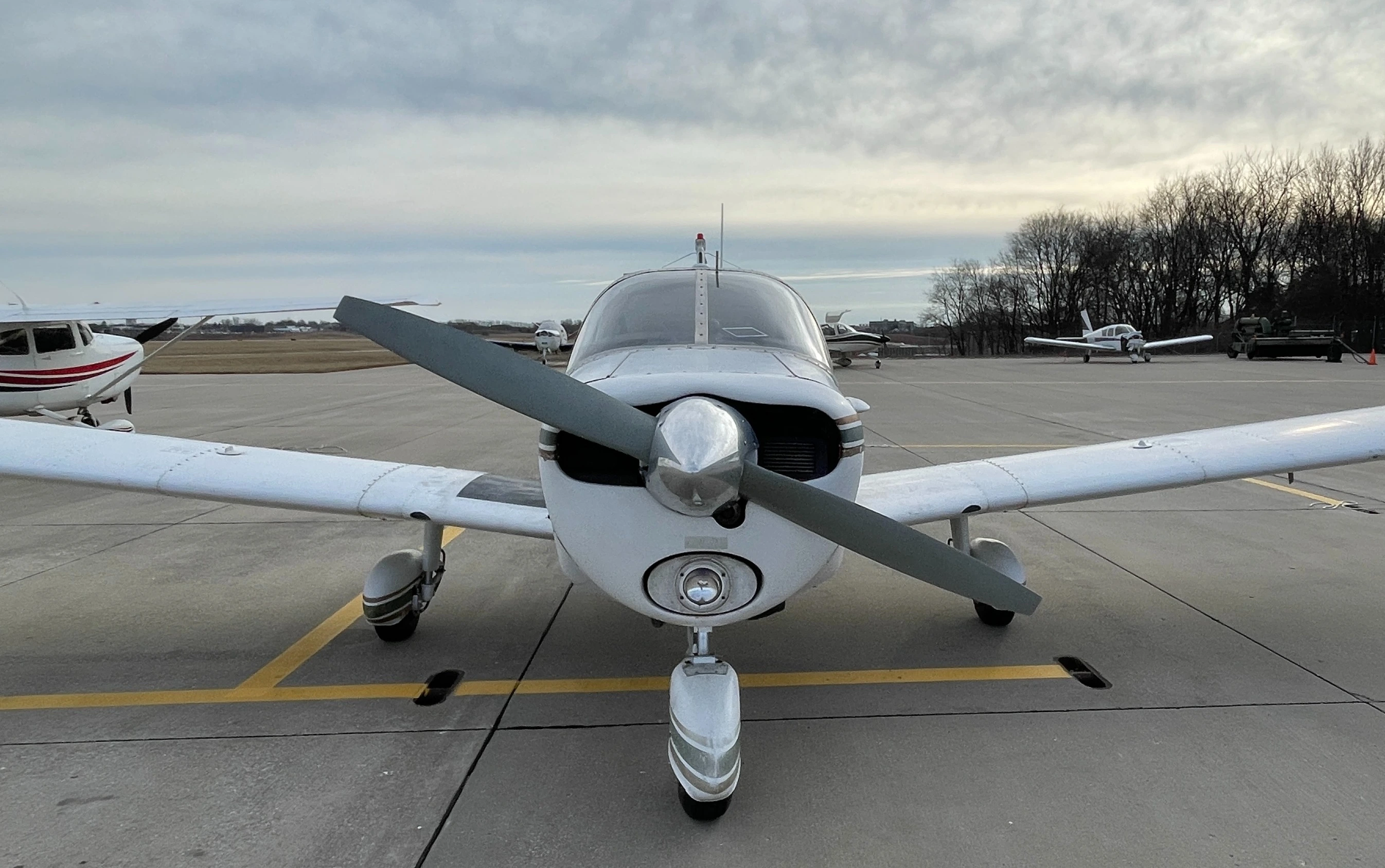
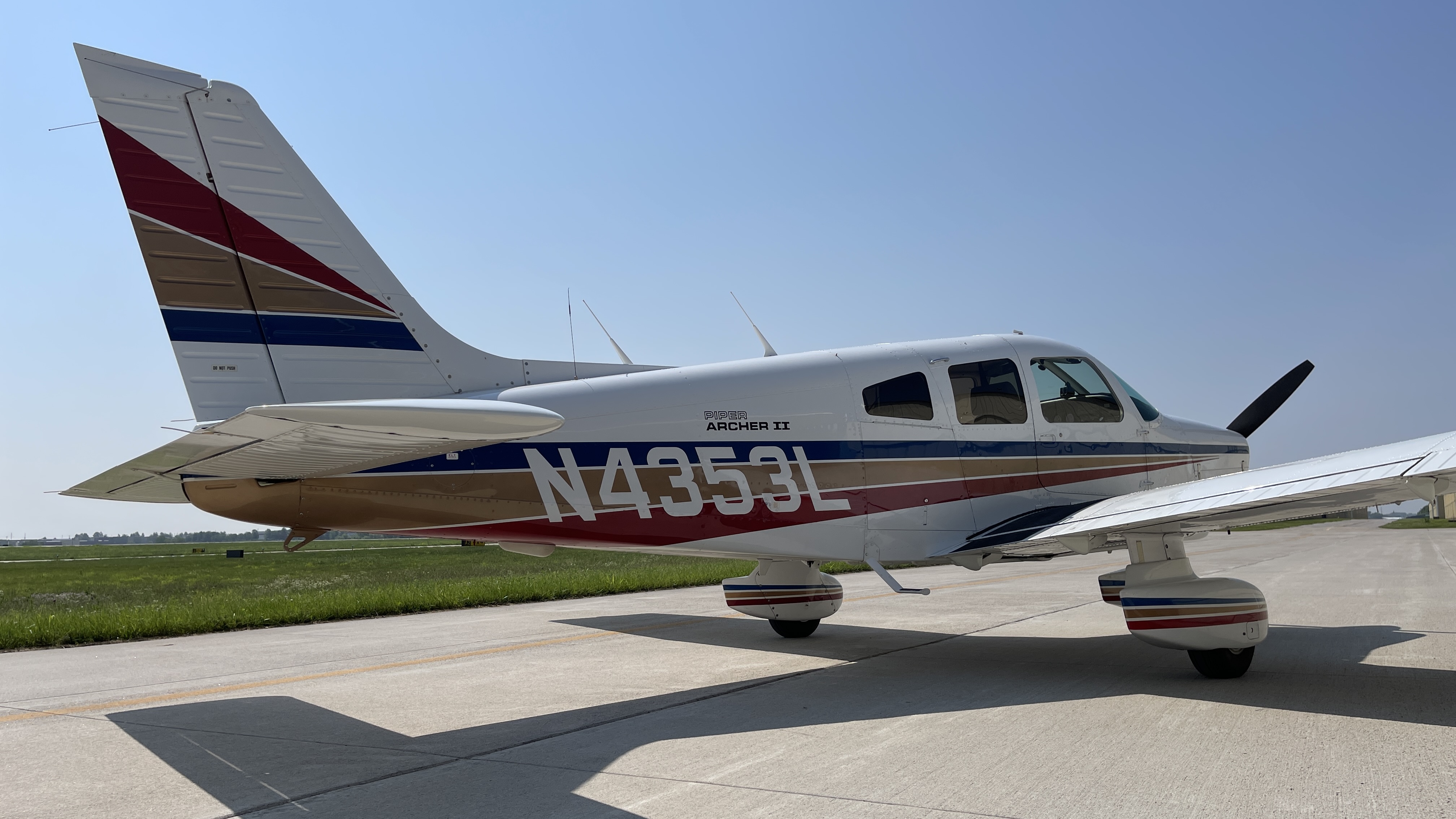
| Airplanes you train in | Our Pipers, which may be new to you | Our Pipers from your first lesson, then our Twin Comanche |
| Flexibility | Stop after CFI, add CFII or MEI later, or never | Built to keep you moving from one stage to the next |
| Risk of gaps | Gaps are up to you, and so is the rust | Stages are sequenced to keep skills fresh |
| What you finish with | The instructor ratings you chose | Commercial, instrument, multi-engine rating, CFI, CFII, and MEI |
One note on those Career Track timelines: they’re planning ranges tied to how many days a week you fly. Weather, checkride scheduling, and your own readiness move them. Our pilot training timeline guide breaks down where time goes.
Who Standalone Instructor Training Fits Best
Standalone training fits the pilot whose logbook is already commercial-ready. Maybe you trained at a university, at another Part 61 school, or a few years ago and are coming back to it. You don’t need us to teach you private, instrument, or commercial again. You need help learning to teach.
Most of the Career Track is already behind you, and a quote built around your logbook keeps your money pointed at the instructor ratings. If you want the MEI later, you’ll need the multi-engine rating on your commercial certificate first. Our multi-engine rating program runs seven days in our Twin Comanche, and that package starts at $4,950.
If you learned in a different airplane, expect some time getting comfortable in our Pipers before you start teaching from the right seat. Our post on CFI vs CFII vs MEI can help you decide which rating to add after the CFI.
Who the Career Track Fits Best
The Career Track fits the pilot who hasn’t reached commercial yet and already knows the goal is the right seat. You might be starting from zero, or you might hold a private certificate and want everything after it planned in order. You can enter with what you already hold, so a private pilot picks up at the instrument rating.
The draw is the sequence. You finish one stage and move into the next, in the same fleet, inside one school that has your whole training history and knows how you fly. Many schools, ours included, like instructors who can carry a student from private through instrument, and both of our founders hold CFI, CFII, and MEI. Most of our instructors are CFIIs.
The Career Track also pairs your multi-engine rating with the MEI, so your multi-engine time keeps building after the rating. If you’re still deciding whether you’re ready for a program this size, our honest guide on whether a career track is right for you is the place to start.
Where Gaps Between Ratings Cost You Time and Money
The biggest real difference between these routes is what happens between ratings. Long breaks cost proficiency, and you pay to rebuild it with review flights before you can move forward.
There’s a hard clock too. Your FAA knowledge test results are good for 24 calendar months before the month of your checkride. Pass the fundamentals of instructing (FOI) and flight instructor airplane (FIA) tests, let life get busy, and those results can run out while they sit in a drawer.
Standalone training doesn’t force gaps on you, and a pilot who books a tight block of instructor training can move just as steadily. What differs is who holds the plan: on the standalone route you do, and on the Career Track the sequence is built in. Our CFI checkride guide shows how much recent, sharp right-seat flying the practical test asks for.
How Cost and Financing Work on Each Path
The two routes price differently. Standalone instructor training is quoted: we build it around the hours, ratings, and airplanes already in your logbook, so two pilots can get two different numbers. Our post on what drives CFI training cost breaks down each line item.
The Career Track has a cost estimator on the program page. You tick the certificates you already hold, pick the ones you want, and see a relative cost for the rest of the path. Because it’s planned as one program, the estimate tends to move less than rating-by-rating pricing. When you have a number, contact us and we’ll walk through it with you.
On either route, financing options may be available to qualified applicants. We work with Stratus Financial, AOPA Flight Training Financing, and Flight Training Financing LLC, and our partners can structure a loan around the program you choose, from a single rating to the full Career Track. You’ll find each partner and how to apply on our financing page.
Which Path to Choose: A Quick Decision Guide
Most of this decision comes down to where your logbook starts:
- Choose standalone instructor training if you already hold a commercial certificate with an instrument rating, you trained somewhere else, and you want to pay only for the instructor ratings.
- Choose standalone instructor training if you want the CFI now and may add the CFII or MEI later, on your own schedule.
- Choose the Career Track if you’re starting from zero or hold only a private certificate and want the whole path to MEI planned as one program.
- Choose the Career Track if you know a stop-start pace has cost you before and you want the sequence built in for you.
- Choose the Career Track if you want your multi-engine rating and MEI planned together in our Twin Comanche.
If you’re a commercial pilot who also wants the multi-engine rating and all three instructor ratings, tell us. We’ll build a plan for the remaining stages and show you how it compares. Our instructor training page is where that conversation starts.
Frequently Asked Questions
Is the CFI training different on the Career Track?
No. The instructor training is the same: about 15 hours of right-seat flying plus lesson-plan ground work, the same FAA knowledge tests, and the same checkride standard. The route changes how you get there. See our how to become a flight instructor guide for the full steps.
Can I join the Career Track if I already have a private or commercial certificate?
Yes. You can enter with the certificates you already hold, and the estimator on our Career Track page lets you tick them off so you only see the stages you still need.
How long does the Career Track take to reach CFI and MEI?
About a year if you fly full time, 12 to 15 months at 3 to 4 days a week, and 15 to 18 months at 2 to 3 days a week, start to finish. Weather and your readiness for each checkride shift those ranges. Our timeline guide covers the details.
How much does a CFI training program cost at Summit?
Standalone instructor training is quoted around your logbook, and the Career Track uses its cost estimator. Our CFI cost guide explains the line items, including test and examiner fees.
Can I finance standalone CFI training?
Financing options may be available to qualified applicants for a single rating or the full program. You’ll find our lending partners on our financing page.
Will either path get me an instructor job?
Neither route guarantees a job, here or anywhere. Instructing is one of the most common ways pilots build time after commercial. When we hire, we look for CFIIs, and an MEI is a plus. You can follow openings on our Teach at Summit page.
Start Your Instructor Training Plan at KLXT
Whichever route fits, the first step is the same: show us your logbook. We’ll tell you plainly whether standalone instructor training or the Career Track makes more sense, and what your next rating looks like. Start your instructor training conversation with us.